- 2025-11-10
- Statement
The modern day malady of modern-day Veterans
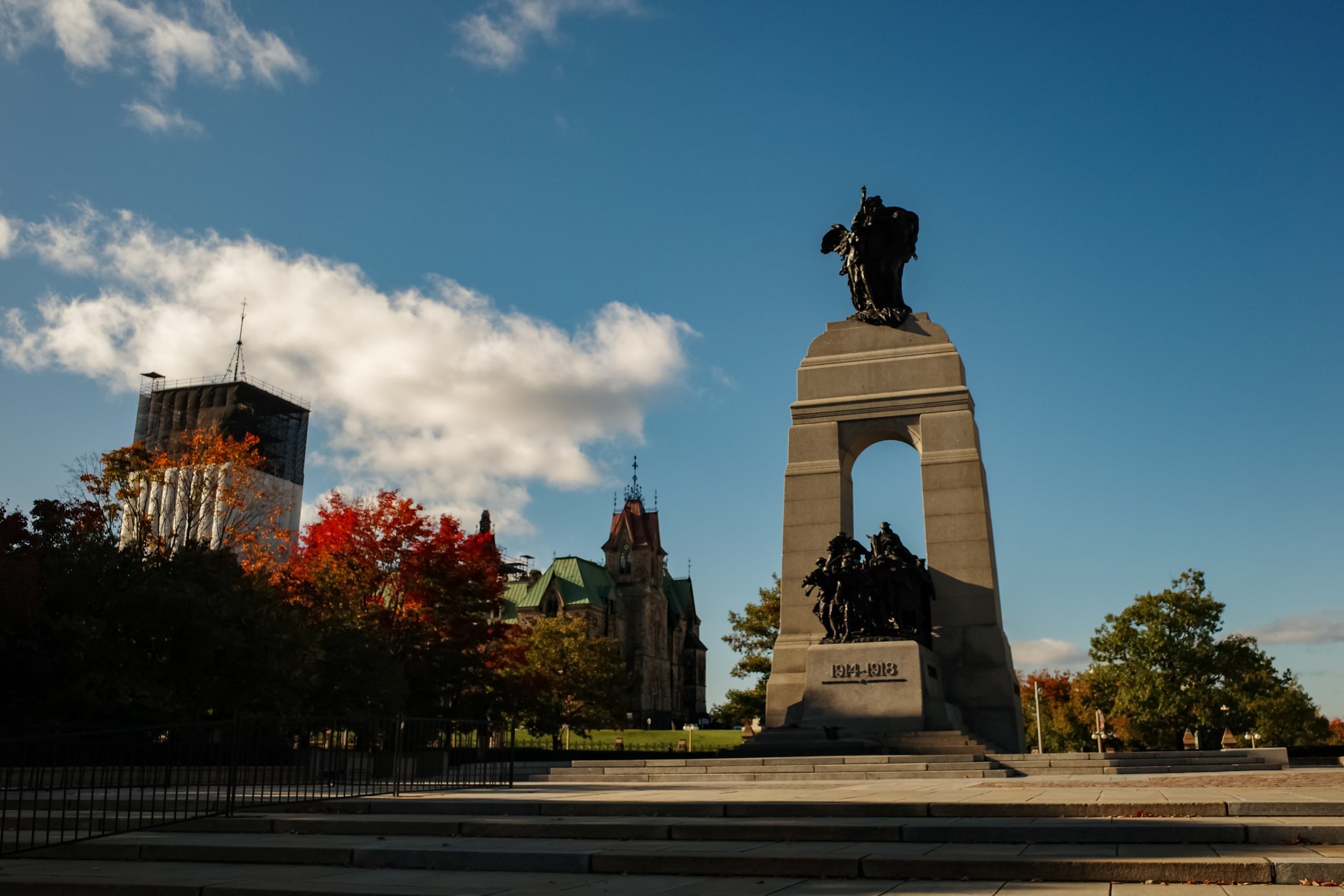
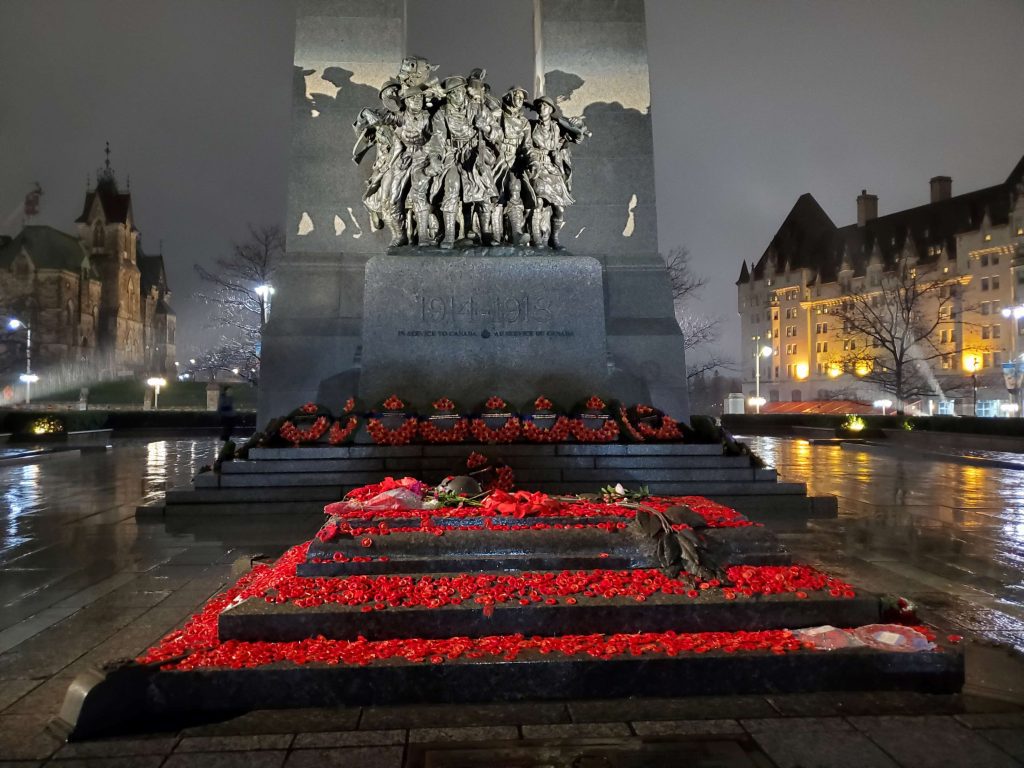
OTTAWA, ON — November 10, 2025 — In Canada, as our thoughts turn to Remembrance Day, the traditional image often associated with a Veteran is one of a middle-aged or older man, navy blazer, military medals on his chest and the cost of service visibly etched on his face.
This representation may be attributed to the honours of service in the two World Wars from which remembrance originally sprang – the red poppy symbolizing the service and sacrifice of Veterans and those fallen in war. Certainly, during those times the vast majority of those who served were young men. Those who were fortunate enough to come home to their loved ones were honoured in acts of remembrance alongside their fallen comrades. Death and physical injury were the lingering outcomes most often associated with their service, with few degrees of separation between those who had served, their time on the battlefields and their memories of comrades lost.
But we are almost 80 years past those campaigns. The faces of those who have signed on the dotted line since, what that service has looked like and the transition to post-service life have all changed. Our military operations didn’t end with our participation in these major global conflicts. Indeed, Canada has continued to recruit, train and deploy soldiers both across the globe and domestically in operations of national emergency, as well as to provide support in international conflicts and in peacekeeping missions.
And as Canada has diversified, so has our military. Women now make up almost 20 per cent of the Canadian Armed Forces, as do people from almost every ethnic group that make up the fabric of Canada. Similarly, alongside physical injuries, many Veterans often bear the invisible wounds of service, which can have similar or in some cases more devastating impacts.
While they may not have seen the loss of comrades in battle in the same numbers as in the global conflicts of yesteryear, many of today’s members too have experienced the grief and devastation of losing someone alongside whom they have served. Today’s Veteran of conflicts such as the Korean War, Persian Gulf War, the former Yugoslavia, Afghanistan or peacekeeping operations like Haiti, Syria and the Golan Heights, among others, have experienced losses different in nature, but losses nonetheless whether they be from combat, training accidents or mental health injuries.
The toll from service-related mental health challenges is not new, but these impacts – and the need to properly address them – are now coming to light in a significant way. We also know that companion injuries such as traumatic brain injury and moral injury often mimic and occur alongside posttraumatic stress disorder (PTSD). The symptoms can be difficult to understand – prolonged feelings of anger, sadness, panic, difficulty concentrating, sleeping and intrusive thoughts and memories. The cumulative effect can lead to self-medicating behaviours.
This isn’t a small number of individuals affected, with a 2016 survey of Regular Force Veterans released between 1998 and 2015 self-reporting PTSD. It isn’t hard to draw a line between these issues and the higher rates of Veteran suicide. The Veteran Suicide Mortality Study, a collaborative study between Veterans Affairs Canada, the Department of National Defence and Statistics Canada examined over 230,000 Veterans who had released from the Canadian Armed Forces between 1976 and 2014 or an almost 40-year time frame. What they found was that overall male Veterans had a 1.4 times higher risk of dying by suicide compared to other male Canadians. Younger male Veterans had a significantly higher risk than other male Canadians and those under 25 had a risk that was 2.5 times greater. Women Veterans had almost double the suicide risk compared to other Canadian women.
If the individual is struggling with this, what is the impact on the Family? Suicidality in a Family member has a profound, multifaceted and long-lasting impact, including severe emotional, psychological, social and even financial consequences for the entire Family unit, including an increased risk for the non-serving Family member to have their own mental health issues.
The truth is we continue to lose those who have served to their injuries, but it is not as easy to find the number after they’ve left the Forces as it is to attribute a loss of life from a battlefield injury.
So if mental health concerns are now the wounds of the modern-day Veteran – an invisible burden they carry back from their time in service – then there is a recognized duty to support their needs in this area in the most accessible, efficient, effective ways possible. Full stop. And this comprehensive plan for mental health care would be incomplete without the Family and their needs being considered as part of the whole, especially given Family member’s critical role in supporting the well-being of the member and their own burdens, sacrifices and service as they do this.
It is Canada’s duty of care to the Veterans of Canada and their Families to continue to honour their changing experiences of service and the losses that continue to accumulate. Suicide is the modern-day malady of the modern-day Veteran.
— Fardous Hosseiny, President and CEO, Atlas Institute for Veterans and Families
Visit our Veterans’ Week 2025 page to learn more about the different ways to commemorate.