- 2026-02-11
- Blog
The first step: Accepting my injury
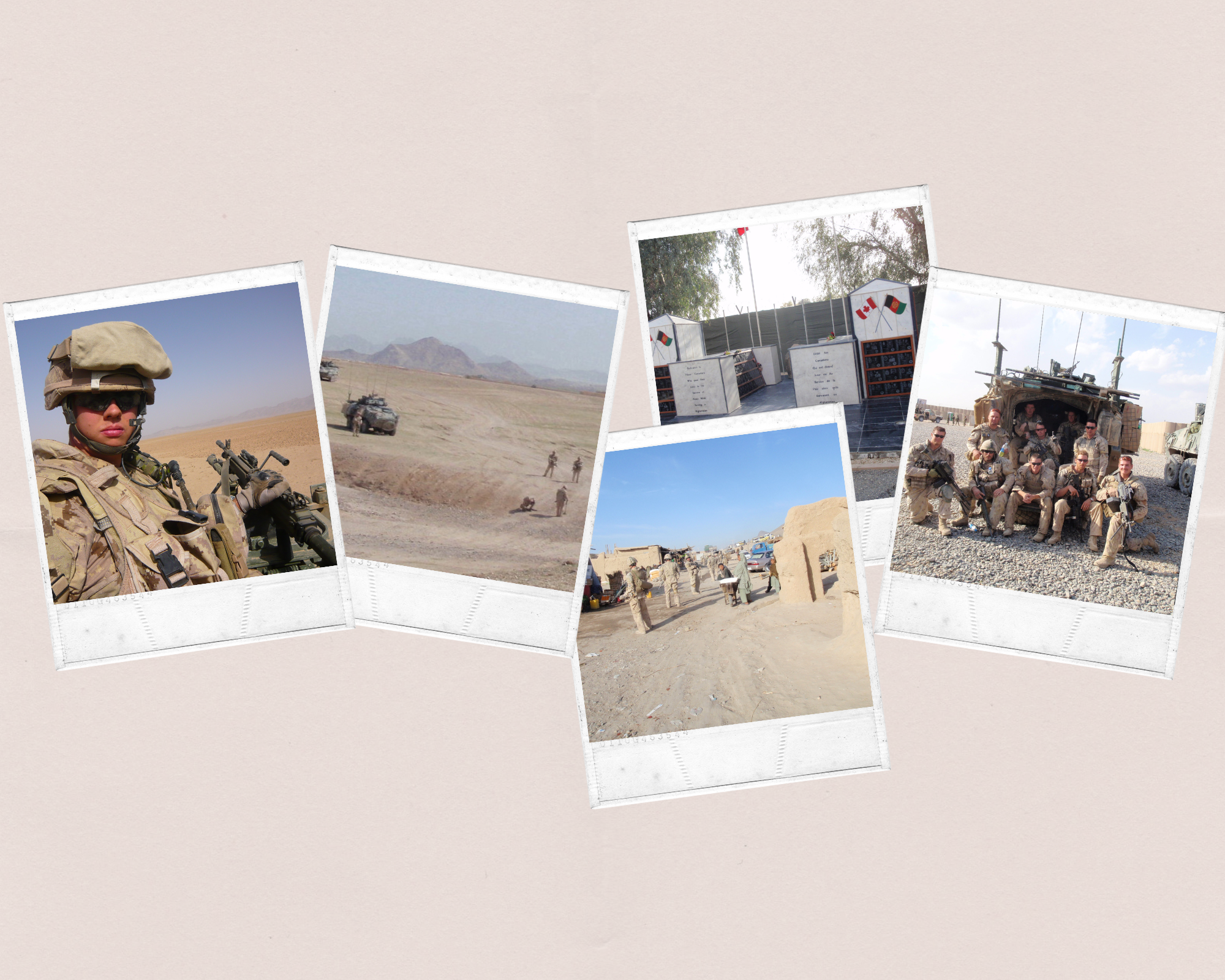
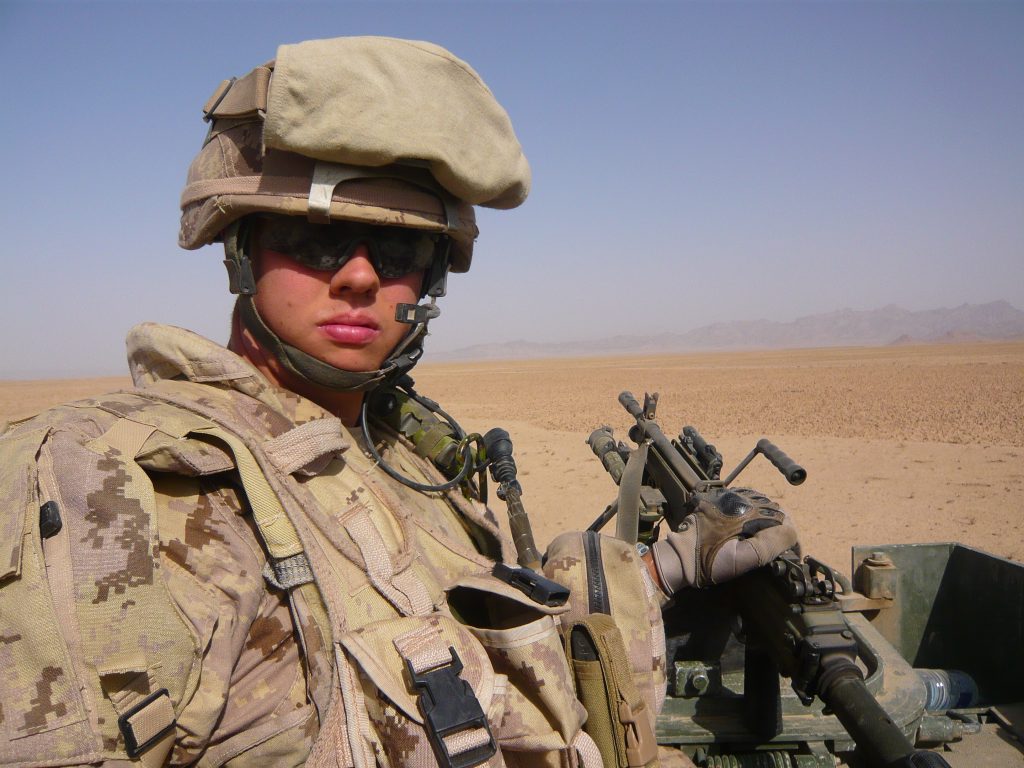
Like a lot of children my age, I grew up listening to the stories my grandfathers told of the Second World War. Both of them served, one in the Canadian Army and the other in the Royal Army. One landed in Normandy and the other served in Egypt. I knew what I wanted and I knew the risks when I joined the Army, and by the time I volunteered for combat in Afghanistan, I had already deployed to Bosnia as a peacekeeper. I knew the risk that I might not come home or that I could come home wounded. Experiencing it was something else.
We all accepted the risk, we had discussions about it, we read the reports coming back from Kandahar, we were training on combat first aid, gunshot wounds and amputation and even on operational stress injuries. Conscientiously, I knew what to expect and I knew the odds. Despite this, I still struggled to accept it when it happened to me. Even before I returned home, I knew something was wrong. I couldn’t sleep and had to see the medics for sleeping pills. I couldn’t shut out the noise of the battlefield: the unmanned aerial vehicles (UAVs) flying overwatch, the distant gun fights, the artillery battery firing rounds in the middle of the night. When we came home, the noise changed, but it was inescapable nonetheless. I saw everyone around me as a potential threat. I climbed into a bottle and stayed there for 18 months. I knew it was wrong, but I was so desperate for quiet that I no longer cared. I was suffering from hypervigilance — my mind couldn’t accept that I was no longer in danger.
Over the next few years, I got better, then worse, then better, then much worse. I was angry and I could feel it deep down, rising uncontrollably. The everyday noise of life, dogs barking, kids playing, traffic, sirens — they all cut through me like a hot knife. Soon, I started to have panic attacks. The first time, I thought I was having a heart attack. It was also the first time I called someone for help. I called the Canadian Armed Forces Member Assistance Program (CFMAP) and spoke to someone who told me I was having a panic attack and needed to go to the medical inspection room (MIR) in the morning. Despite the obvious symptoms I was displaying and being called out for, I still struggled to accept that I was injured. I had convinced myself that I was merely stressed out, a momentary reaction that would pass.
Soon after, the doctors at the MIR would tell me that I would be diagnosed with posttraumatic stress disorder (PTSD), major depressive disorder (MDD) and panic disorder, but I still wasn’t ready to accept it. Only in part was I able to accept what I was being told. I could feel the symptoms, I could hear my wife telling me to get help, it was affecting my work, I was losing friends. I was constantly angry, I was usually drunk. I knew I was out of line, but I was convinced that it wasn’t as serious as I was being told. I believed that I could will myself better, so although I was in counselling, I wasn’t taking it seriously and I wasn’t getting the best through the MIR because I wasn’t advocating for myself. Even when I was being told that I would be medically released, I didn’t believe them.
I just could not accept that this problem of mine was out of my control. I could not accept that I was injured — I wasn’t suffering like others who were suffering worse than me and I wasn’t wounded physically, so what did I have to complain about? I was just being weak. I wasn’t trying hard enough to be in control. I am weak. My own failures to willpower myself better eventually led to suicidal thoughts and attempts. I was getting worse, spiralling and taking the people I loved down with me, because I wouldn’t take my own injury seriously. I had become angry and suicidal in front of my Family, which led to their own trauma.
Sadly, it took accepting what I’ve done to my Family for me to accept the injury. It wasn’t easy. It took a long time for me to accept what I had done to them and even longer to accept that it was the injury I had been denying that was the root. Although, it was just the beginning. Accepting was merely the first step and as I would come to learn, the first of many. I still had to begin treatment, but now that I had accepted that I was indeed injured, I was fully open to treatment and open to the process and it worked. I still had to sit and listen to my wife detail the harm I had caused, but I was ready to hear it now and take ownership for it. And through taking ownership of the harm I caused, I was able to begin to repair our marriage and Family.
Treatment only worked for me because I was finally able to accept that I needed it. I was only able to begin to repair the damage to my Family and salvage my marriage because I was able to accept my responsibility. Accepting my injury and my responsibility for the damage I did at home and at work wasn’t the whole effort, it was the first step — a critical first step. It opened the door to more growth, acceptance, healing and love. As I look back, it was when everything changed. And as I look back at those I’ve been fortunate to help along the way as a peer helper, I believe it was the spark for a lot of other Veterans. Through telling my story over the years, I’ve been able to connect with other Veterans, to show that they’re not alone and help them take their first step. As clichéd as it is to say, the first step is always: acceptance.
— Christopher
Sergeant (Ret’d) Christopher Banks, CD
Combat Veteran and advocate
The Service Standard
Are you a Veteran or Family member with a story to tell? Get in touch with us and you may be featured on this blog!