- 2026-01-14
- Blog
When it’s no longer enough to ‘just survive’
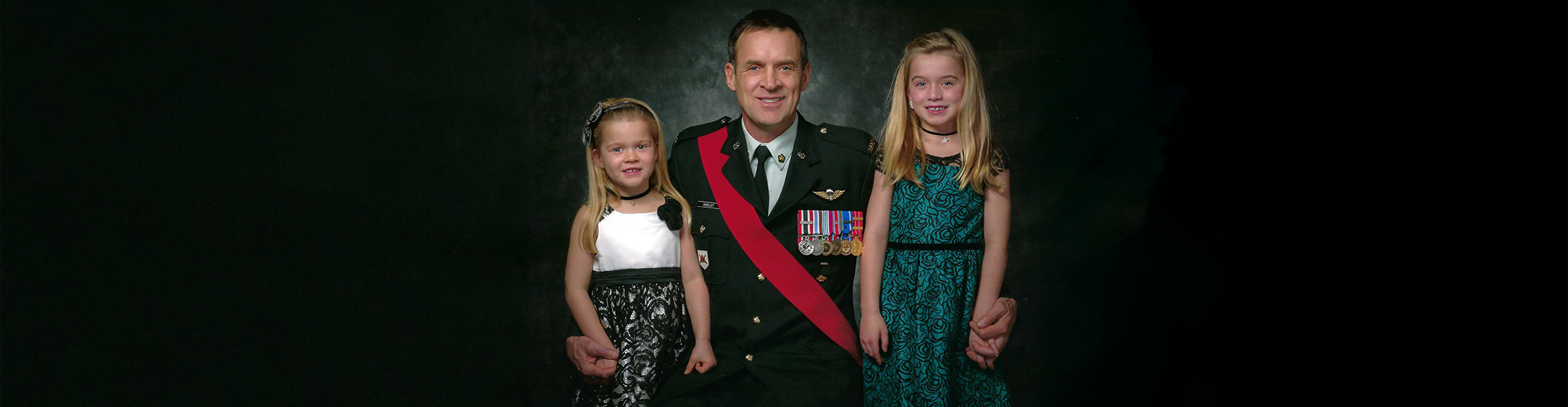
I served in the Canadian Armed Forces (CAF) for 35 years. For most of that time, I didn’t question who I was or what I was doing. Service gave me structure, purpose and identity. But when I eventually retired in 2017, I learned very quickly that leaving the military doesn’t mean the military leaves you.
In November 2018, I was diagnosed with severe posttraumatic stress disorder (PTSD). I had already suspected that something wasn’t right. One day at home, a knife fell off the counter and hit a ceramic surface. The sound sent my nervous system into overdrive. In that moment, everything shifted. I realized I wasn’t reacting to what had just happened in the present — I was reacting to the past.
I was told by a psychologist that I would need to learn how to live with PTSD. I rejected that. Not because I didn’t respect the profession, but because their approach wasn’t working for me. It felt too medical, too complex. My brain couldn’t process it and it didn’t feel like I was progressing quickly enough. I told myself there had to be a different way.
At my lowest point I was barely functioning. I couldn’t go outside at night. I was burned out, overwhelmed and exhausted. In 2002, prior to my PTSD diagnosis, I had a burnout that in hindsight was one of the best things that ever happened to me. It forced me to stop running from my thoughts and helped keep me alive.
I started to learn about the brain, about neuroplasticity and about how our thoughts create our reality. I began to understand that my brain was running my life — but that didn’t mean it had to stay that way. My brain is complex, but it’s still a system. What you put into it affects what comes out.
I began training to become a life coach in neurosciences and learned things no one had ever explained to me before, like what an emotion actually is. The military trains you to disconnect from emotions, because in some situations, you simply have to. But total disconnection isn’t healthy either. Neither is being completely overwhelmed by emotion. Finding the right balance is vital.
PTSD didn’t just come from my service. I’ve lived through physical and sexual abuse, bullying and toxic relationships. For a long time, I stayed angry. I blamed everyone else. But staying in that energy wasn’t helping me or my Family. I realized that while I couldn’t choose what happened to me, I could choose how I responded and moved forward.
I had to take responsibility for my own healing. No one forced me to join the military. No one forced me to sign a contract accepting unlimited liability — meaning I could not refuse to go to work or follow certain orders, even if I didn’t agree with them. When I started to shift my thinking, everything began to change.
I didn’t just want to survive. I wanted to really live again.
I started literally talking to my brain. When I heard a noise outside, instead of running or panicking I would breathe and remind myself that I was safe and that my Family was safe. At first, I still had to physically check to make sure. But over time, I forced myself not to. It was hard. I cried. I yelled. I went into very dark places. I even tried to end my life because the pain was so intense.
But slowly, things changed.
With time I have been able to start releasing some of the symptoms of my PTSD. That doesn’t mean events of the past disappeared or didn’t happen. It means I’m no longer controlled by them.
Today, I don’t get angry the way I used to. Sometimes I’m almost frustrated by that. I try to feel angry and generally can’t. I go outside, I shop, I live. I fight my thoughts when I need to, and I rest when my brain is tired.
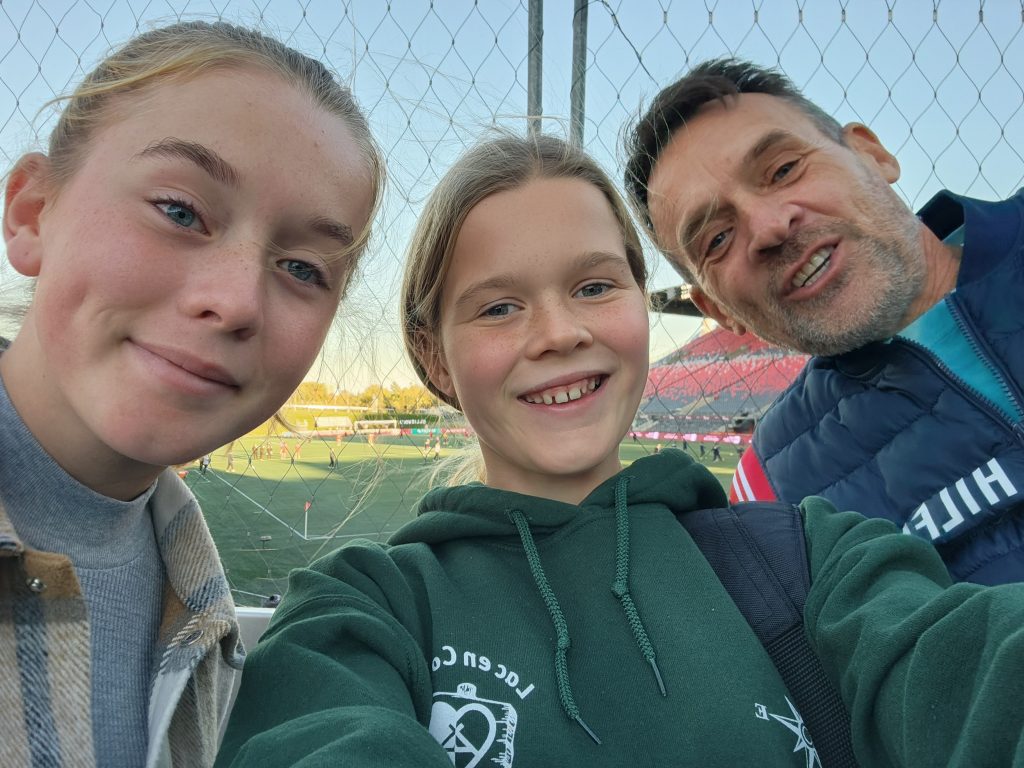
My kids are teenagers now. They’re doing well in school, excelling in sports and communicating openly with me. I let them cry. I encourage them to feel. I want them to know that emotions are not weakness — they’re part of being human.
Helping others is my purpose now. I run a PTSD meetup group. I’m involved in peer support. I’ve taken Mental Health First Aid training for Veterans and attend conferences on PTSD. I didn’t know help was available when I was at my lowest. Now, I believe it’s my responsibility to make sure others know they’re not alone.
I am free. It’s a process. But it’s worth it.
— Dany
Warrant Officer (Ret’d) Dany Ouellet
Are you a Veteran or Family member with a story to tell? Get in touch with us and you may be featured on this blog!