Research funding opportunities aim to enhance knowledge and research capacity for Veterans and Families
For the third year in a row, the Atlas Institute for Veterans and Families is proud to offer new research funding opportunities in three critical areas, designed to enhance understanding and support the mental health and well-being of Veterans and their Families. This year, Atlas will be funding research on:
- Caregiving, intimacy, and relational health in Veteran Families
- Veteran resilience after service and rebuilding identity (in partnership with Mental Health Research Canada)
- Occupational moral injury implications post-service for RCMP members
The funding program, led by the Research Partnerships team, contributes to a key objective of the organizational strategic plan, which involves building trusted relationships and fostering collaborations with researchers, as well as Veteran and Family groups across Canada. The goal is to consistently explore and advance research questions related to health and well-being, rethinking trauma and traumatic stress, while incorporating the experiences of minorities within military and Veteran communities.
This year, we are collaborating with Mental Health Research Canada on the Veteran resilience after service and rebuilding identity project.
Our aim is to provide equitable, transparent and competitive funding opportunities while expanding our understanding of the diverse topics related to the mental health and well-being of Veterans and their Families. This program of funding underscores our commitment to encouraging innovation and collaboration within the research community.
Applicants seeking funding through the program will need to demonstrate how their project aligns with the Atlas Institute’s overarching mission. Particular attention will be given to the potential positive impact on Veteran and Family communities and the active participation of individuals with lived and living experiences throughout the research process.
The Atlas Institute will accept proposals via a request for proposal (RFP) process, launched September 2, 2025. Proposals will be accepted until 11:59 p.m., Eastern time on October 14, 2025, with the anticipated notice of decision in December 2025 to January 2026.
For more information about the funding program, visit the Atlas Institute’s research funding opportunities webpage, or contact the Research Partnerships team at atlasresearch@theroyal.ca for inquiries.
Veterans and Families that live in rural and remote communities face unique barriers in accessing the mental health services they need. To better understand these barriers and explore possible solutions, the Atlas Institute for Veterans and Families hosted a roundtable in Winnipeg, MB in October 2024 titled The art of the possible: Working together across systems to address barriers to mental health care for rural and remote Veterans and Families. Attendees included service providers, researchers, government policy makers, Veterans and Families with lived experience working or living in rural and remote communities. Through collaborative discussions and knowledge-sharing, participants offered their perspectives in identifying critical issues that are hindering care. These included challenges related to geographic isolation, limited providers and resources, lack of cultural competency and stigma.
Atlas has released a new report summarizing what we heard during this event. It shares the insights from the community with the goal that these findings can be used to inform change and create more equitable access to mental health care for Veterans and their Families in rural and remote communities.
INCLUDED IN THIS REPORT
The report includes a summary of some of the main challenges raised during this event, which fall within the following categories and key findings, each with their own specific population considerations:
- Access and availability
- Limited providers and services
- In-person and virtual service issues such as Internet reliability, cost and availability of Internet, technological proficiency
- Use during mental health crises
- Integration and coordination
- Jurisdictional and provincial limitations
- Coordination between service providers
- Education and awareness
- Specialization
- Cultural competency
- Stigma and social perception
- Awareness and education
- Privacy and confidentiality
- Identity and perception
Suggestions for ways to improve care for rural/remote Veterans and their Families included:
- Access and availability
- Funding for providers and services, such as mobile outreach units and satellite care sites, loan forgiveness
- Offering virtual and appropriate telehealth care when possible
- Improving access and options for Veterans Affairs Canada services
- Improving access to operational stress injury clinics by broadening services to be more accessible
- Integration and coordination
- Revising policies regarding jurisdictional and provincial access to care
- Connecting service providers by fostering connection between Family doctors and other mental health professionals
- Strengthening the connection between Veteran Families and their surrounding communities
- Leveraging existing community resources and mental health supports
- Education and training
- Expanding cultural competency training
- Increasing access to peer support
- Stigma and social perception
- Increasing awareness that seeking help is a strength, not a weakness
- Building supportive networks in rural and remote communities
- Providing education and training for community members
Read the full the report: atlasveterans.ca/rural-remote-roundtable-report
Additionally, Atlas has collaborated with McMaster Health Forum to develop a rapid evidence profile (REP), which provides a high-level overview and quality assessment of current research on rural and remote Veterans and Families. The REP framework was informed by roundtable participants. Read the REP on the McMaster Health Forum website.
There is an opportunity to improve the mental health care landscape for rural and remote Veterans and Families by continuing to work collaboratively across systems, ensuring they receive the support they need and deserve. The insights learned from the roundtable lay the groundwork for further policy development, research and community advocacy, setting the stage for future efforts to create meaningful, systemic change.
The Atlas Institute for Veterans and Families launched research funding opportunities in late 2024 and was thrilled to receive a wealth of compelling and high-calibre submissions for the 2025-26 research request for proposal cycle. This year’s proposals showcased a deep commitment to advancing knowledge in key areas critical to the well-being of Veterans and their Families. The submissions focused on three topics: the impact of Family involvement in Veteran care, the mental health status of former RCMP members, and the lived experiences of single-parent Veteran Families.
The strength and depth of these proposals highlight the growing dedication within the research community to exploring the unique challenges faced by Veterans and their support networks. After a rigorous review process, which includes an external scientific review committee, we are pleased to announce the projects that have been selected to receive funding.
Integrating Families into Veteran care pathways: Enhancing support for improved Veteran well-being
 Dr. Jenny Liu, Head of Scientific Development and Knowledge Mobilization at the MacDonald Franklin OSI Research Centre and Adjunct Research Professor in the Department of Psychiatry, Schulich School of Medicine, Western University, aims to address critical gaps in Family-inclusive care pathways for Veterans by examining barriers, engaging stakeholders and developing evidence-based solutions.
Post-service life: Mental health and well-being of Royal Canadian Mounted Police Veterans
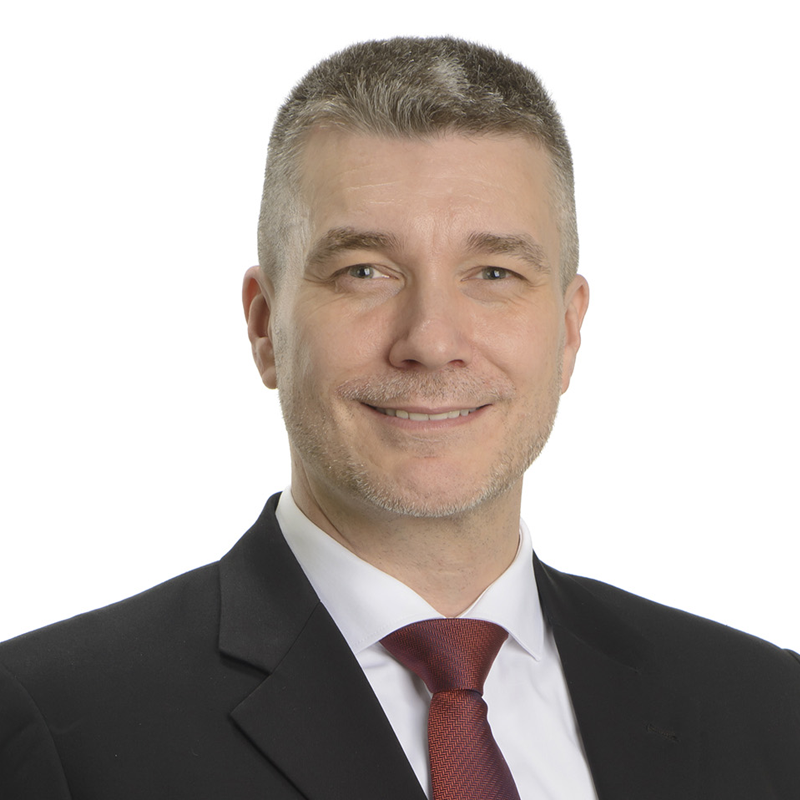 Dr. R. Nicholas Carleton, Professor at the University of Regina, within the Department of Psychology, will collect self-reported mental health data from former or retired RCMP members through a detailed online survey assessing the prevalence of mental health disorders, exposures to potentially psychologically traumatic events, social supports and access to care. The aim is to examine sociodemographic differences and compare results with data from current and new RCMP members and other public safety personnel to better understand mental health across the RCMP service continuum.
Experiences of single-parent Veteran Families
 Dr. Deborah Norris, Professor at Mount Saint Vincent University within the department of Family Studies and Gerontology, aims to synthesize existing research and describe the experiences of single-parent CAF Veterans, with a focus on how military life, resilience, mental health and diverse identities shape their post-service Family experiences. The project also seeks to identify gaps in support systems during reintegration and develop recommendations to inform relevant policies and programs.
Opportunities aim to enhance knowledge and research capacity for Veterans and Families
For the second year in a row, the Atlas Institute for Veterans and Families is proud to offer new research funding opportunities in three critical areas, designed to enhance understanding and support the mental health and well-being of Veterans and their Families. This year, Atlas will be funding research on:
- The impact of Family involvement in Veteran care
- Experiences of single-parents in the Canadian Armed Forces Veteran and Family community
- The mental health status of former Royal Canadian Mounted Police members
The funding program, led by the Research Partnerships team, contributes to a key objective of the organizational strategic plan, which involves building trusted relationships and fostering collaborations with researchers, as well as Veteran and Family groups across Canada. The goal is to consistently explore and advance research questions related to health and well-being, rethinking trauma and traumatic stress, while incorporating the experiences of minorities within military and Veteran communities.
Our aim is to provide equitable, transparent and competitive funding opportunities while expanding our understanding of the diverse topics related to the mental health and well-being of Veterans and their Families. This program of funding underscores our commitment to encouraging innovation and collaboration within the research community.
Applicants seeking funding through the program will need to demonstrate how their project aligns with the Atlas Institute’s overarching mission. Particular attention will be given to the potential positive impact on Veteran and Family communities and the active participation of individuals with lived and living experiences throughout the research process.
The Atlas Institute will accept proposals via a request for proposal (RFP) process, launched October 28, 2024. Proposals will be accepted until 12 p.m., Eastern time on December 9, 2024, with the anticipated notice of decision in January 2025.
For more information about the funding program, visit the Atlas Institute’s research funding opportunities webpage, or contact the Research Partnerships team at atlasresearch@theroyal.ca for inquiries.
Recognizing the importance of influencing public policy on improving Veteran and Family mental health and well-being, in 2023 the Atlas Institute for Veterans and Families mapped out three interrelated foundational projects related to public policy. With guidance from consulting group Sullivan Strategic Solutions, the three projects were initiated to identify existing policies and associated gaps, and to set priority areas for Atlas that would result in high impact for Veterans and Families. These foundational projects are the stepping stones required before launching into the public policy space.
The three interrelated foundational projects are:
- A public policy scan of academic and grey literature specific to mental health and well-being policies and policy recommendations that impact Veterans and Families.
- An engagement process consisting of a series of conversations with stakeholders across Canada with similar mandates as intermediary organizations.
- An internal public policy framework that will guide Atlas staff on how public policy work will occur and where Atlas will position itself, based on Canadian and international evidence and leading practices.
A new report released by Atlas summarizes conversations from the engagement process. The engagement sessions took place from April to August of 2023 with senior leaders from 14 health and mental health organizations.
The report highlights common practices of these organizations when doing public policy work, approaches they have found effective as well as their recommendations for priority areas in Veteran and Family public policy.
INCLUDED IN THIS REPORT
Overview of five practices that make for effective public policy work:
- Collaborating with the “owner” of the policy
- Developing and sharing evidence-based resources
- Engaging people with lived experience
- Maintaining a positive relationship with funding bodies
- Partnering with peer organizations when possible
Summary of five priority areas for public policy related to Veteran and Families:
- Conducting research
- Equitable access and supports
- Knowledge on evidence-based treatments
- Needs of the Family in their own right
- Upstream prevention
Learn more and download the report at atlasveterans.ca/public-policy-engagement-report.
The Atlas Institute for Veterans and Families announces new funding opportunities for mental health research
The Atlas Institute for Veterans and Families is introducing new research funding opportunities in three critical areas, designed to enhance understanding and support the mental health and well-being of Veterans and their Families.
This initiative aligns with our continuing commitment to expand knowledge and boost research capabilities in the field of mental health by working directly with the community to identify areas of particular interest and opportunity.
The funding program, led by the Research Partnerships team, contributes to a key objective of the organizational strategic plan, which involves building trusted relationships and fostering collaborations with researchers, as well as Veteran and Family groups across Canada. The goal is to consistently explore and advance research questions related to health and well-being, rethinking trauma and traumatic stress, while incorporating the experiences of minorities within military and Veteran communities.
Our aim is to provide equitable, transparent and competitive funding opportunities while expanding our understanding of the diverse topics related to the mental health and well-being of Veterans and their Families. This program of funding underscores our commitment to encouraging innovation and collaboration within the research community.
Applicants seeking funding through the program will need to demonstrate how their project aligns with the Atlas Institute’s overarching mission. Particular attention will be given to the potential positive impact on Veteran and Family communities and the active participation of individuals with lived and living experiences throughout the research process.
The Atlas Institute will accept proposals via a request for proposal (RFP) process, which launched today, August 8, 2023, with three announced, including a joint funding opportunity with Mental Health Research Canada.
For more information and inquiries about the funding program, contact the Research Partnerships team at atlasresearch@theroyal.ca.
