
WHAT’S NEW

In case you missed it
Veterans’ Week 2025
Each year during Veterans’ Week we are reminded of our responsibility to support those who have served — and the Families who stand beside them — in any way we can. Many will face physical or mental injury, some will make the ultimate sacrifice, all in service to the freedoms we enjoy.
It is our duty to take this moment to reflect, to remember and to honour them.
We invite you to visit our campaign page to read Veterans’ and Family members’ reflections about Veterans’ Week, learn how you can remember those who have served and find resources.
Indigenous Veterans Day: Learning from and honouring the contributions of First Nations, Inuit and Métis Veterans and their Families
November 8 was Indigenous Veterans Day. Visit our campaign page to learn about the importance of marking this occasion and the histories and experiences of First Nations, Inuit and Métis Veterans and Families.
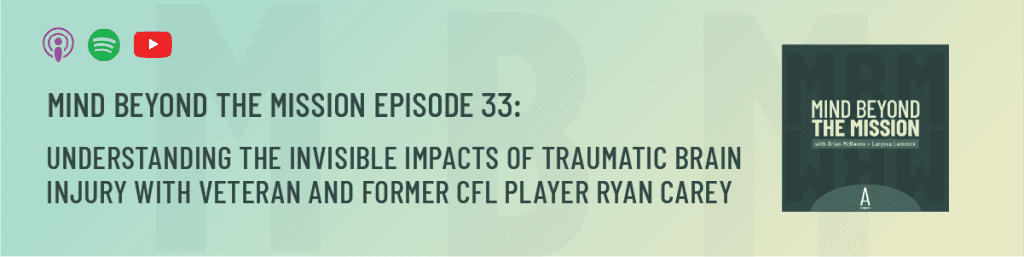
Mind Beyond the Mission
Understanding the invisible impacts of traumatic brain injury with Veteran and former Canadian Football League player Ryan Carey
In a new podcast episode, hosts Brian McKenna and Laryssa Lamrock welcome returning guest Ryan Carey — a Canadian Armed Forces (CAF) Veteran, former Canadian Football League player and musician — for a conversation about brain health, traumatic brain injury and life after service. Ryan shares insights from his military and professional athletic experiences, diving into how repetitive impacts can affect brain function and sharing practical strategies for maintaining brain health. They also explore the often-overlooked role of Family members and caregivers and highlight the importance of self-care, solidarity and peer support.
Some topics they explore:
- The physical and psychological impacts of repetitive head trauma
- Practical strategies for managing brain health
- Advancements in military and sports organizations’ understanding of brain health and adoption of safer practices
- Coping with memory loss and changing capabilities after injury

Perspectives
Dog tags and a pair of wool socks: Stepping beyond the shadows of disability
“The wool socks have long since worn out, and the dog tags are now a reminder that with perseverance, resolve and unyielding doggedness … we can step beyond the shadows to well-being and quality of life.”
After 14 years of service in the CAF, Sergeant (Ret’d) Andrea Newton found herself standing on the steps of Jericho Garrison in Vancouver holding a set of dog tags and a pair of wool socks — the only items from her military kit that she didn’t need to return following her honourable release.
In a new Perspectives blog post, Andrea reflects on the unique challenges of navigating post-service life with a service-related physical injury. She highlights the importance of perseverance and shares personal insights on the realities many Veterans face living with mental and physical injuries.

Hope in hand: Honouring our needs this holiday season
The holiday season can stir up a lot of mixed emotions for Veterans and their Families. For some, it’s a welcome break from tough memories, while others may find the added pressures challenging. Whatever you experience, know that your feelings are valid and uniquely yours. Honour where you are in your journey by putting yourself first and setting healthy boundaries.
Visit our campaign page for tools to help you take care during this season, including new phone backgrounds with positive and reassuring messages and resources for Veterans and Families.

COMMUNITY CORNER

Canadian Caregiving Summit
“Caregivers shouldn’t have to choose between their loved one’s well-being or their own.”
Veteran Families were well-represented in the ongoing conversations on the importance of recognizing and supporting caregivers at the National Caregiving Conference in Ottawa, ON in November. This highlights that many Veteran Families serve as informal caregivers for those with physical or mental health injuries — an experience shared by one in five Canadians.
At the conference, a dedicated session was focused on military and Veteran caregivers, exploring the unique challenges they face and the need for better access to care, resources and self-care opportunities. It is encouraging to see Veteran Family caregivers as part of this national discussion and advocacy to be supported in their own right.
Atlas is committed to continuing engagement in this important work, by collaborating with partners, contributing to research and helping advance evidence-based supports that strengthen the mental health and well-being of caregivers.
Veterans’ Week 2025
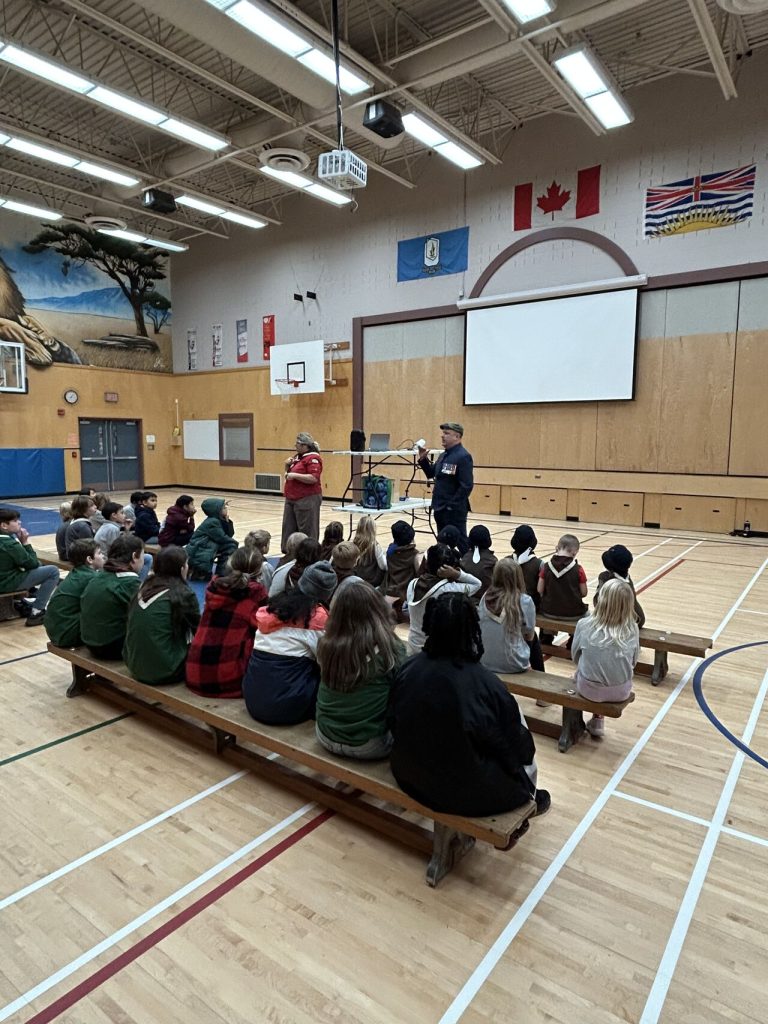
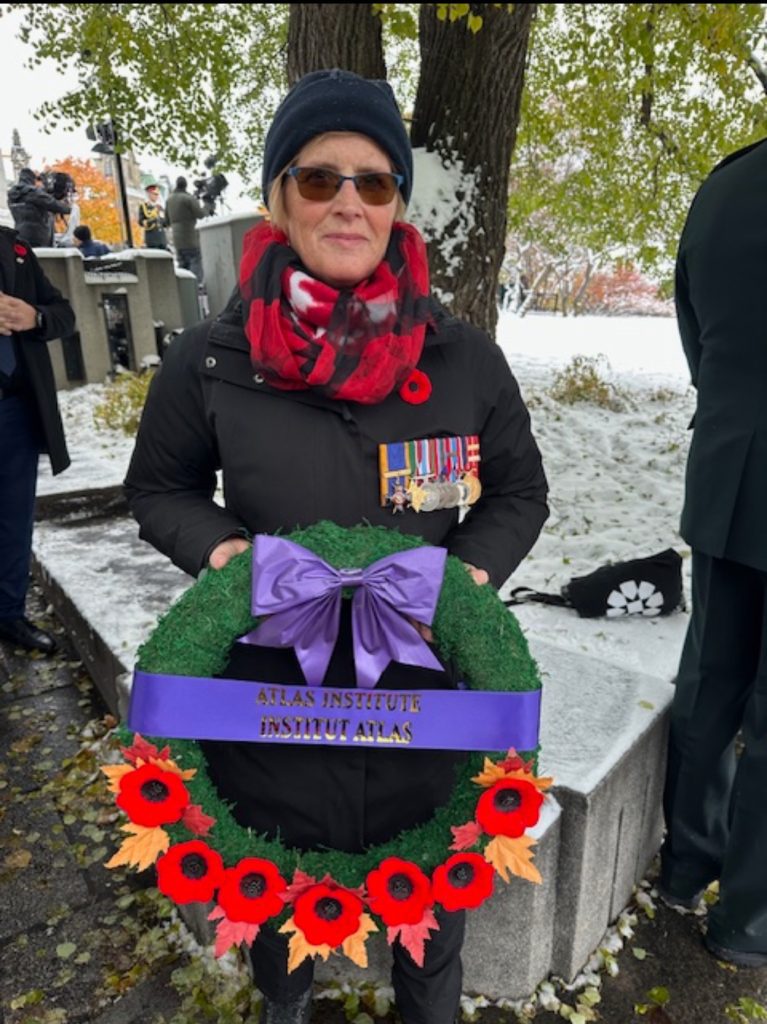
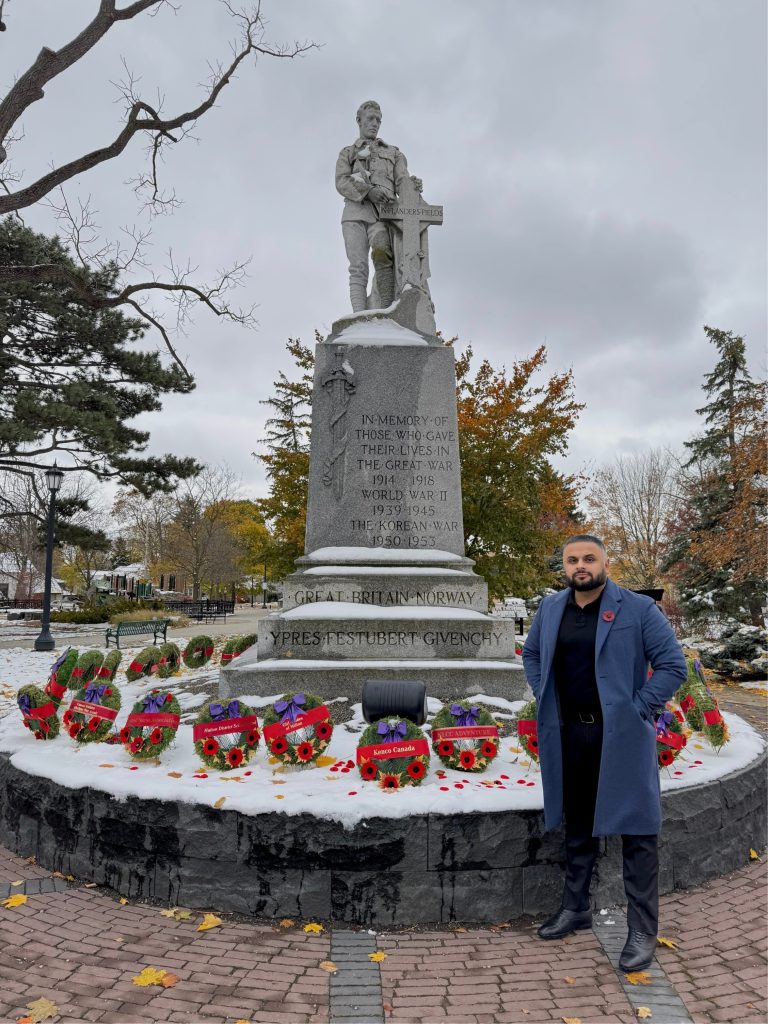
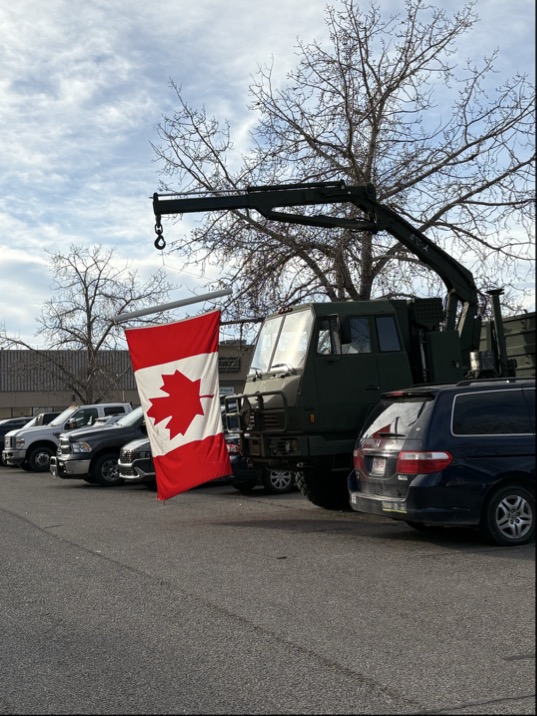
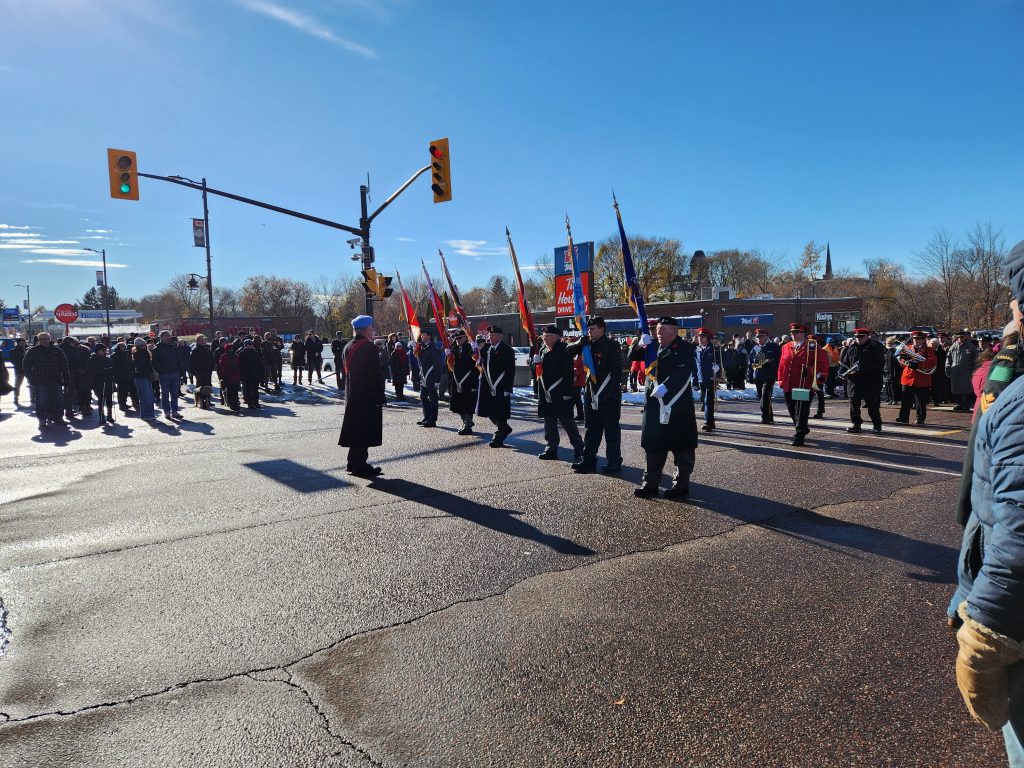
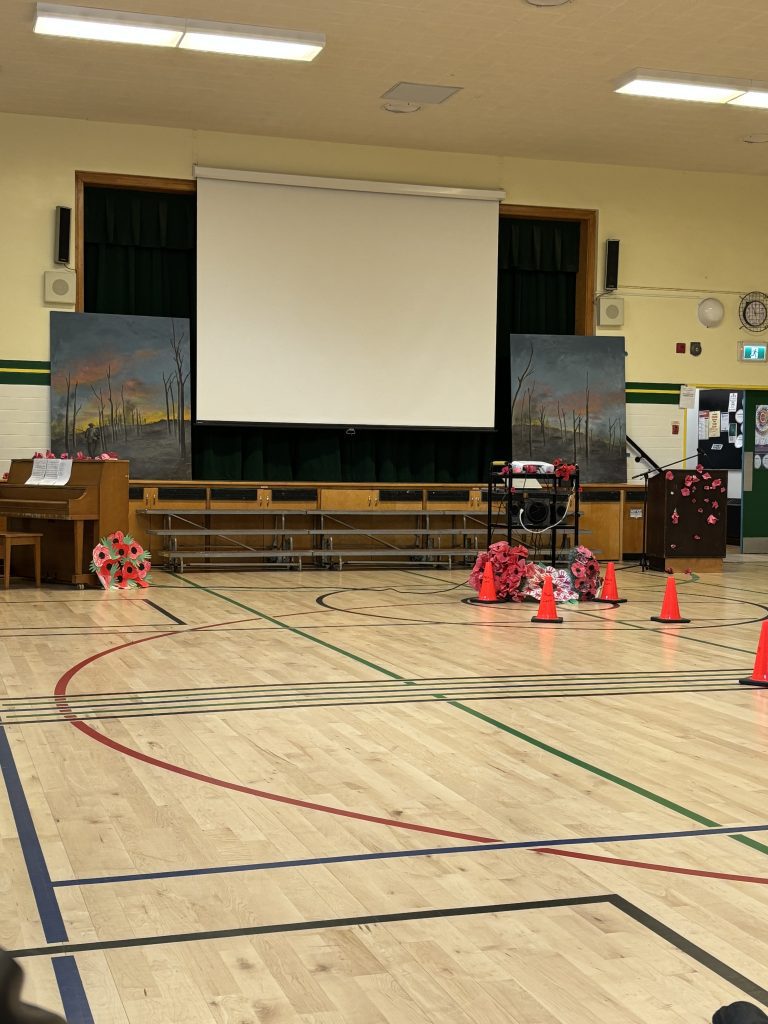
During Veterans’ Week, Canadians collectively reflected on the service and sacrifices of Veterans, currently serving CAF members, and their Families. The Atlas team joined in remembering those who carry invisible wounds and those who have paid the ultimate sacrifice by attending various Remembrance Day ceremonies and Veterans’ Week gatherings. This time of year serves as a reminder of the need for continued support for those who have given so much to this country.
Pictured are Atlas team members at ceremonies and events across the country.


EVENTS AND TRAINING
January 22 – 23, 2026 — Register for the Veteran Family Summit!
Our fourth annual Veteran Family Summit is fast approaching with only two short months to secure your spot! Hear from speakers across Canada — including Veteran Family members, Veterans, researchers and clinicians — who all have a common goal: to validate your experiences and feelings and provide you with hope. Veteran Families need support too.
In case you missed it
A practice-based approach to self-care: TExP2
In collaboration with Wounded Warriors Canada, the Atlas Institute offers self-paced trainings for service providers and their trainees who work with trauma-exposed professionals (TExPs) such as CAF members and public safety personnel.
In A practice-based approach to self-care: TExP2, learn how to structure clinical practice around self-care principles and better understand the unique challenges faced by clinicians who work with trauma-exposed professionals. TExP2 takes approximately one hour to complete and is offered in English and French at no cost.
Although it is not required, completing Introduction to trauma-exposed professionals: TExP1 is recommended prior to beginning TExP2.
SELF-PACED TRAINING
Managing problematic anger
Trauma-exposed professionals training
EVENT AND TRAINING CALENDAR
Veteran Family Summit
RCMP Veterans: Mental health dialogue session
FEATURED RESOURCE

Resources for Veteran Families and friends
While the holidays can be a time of joy and connection, the busyness and pressure to be social can sometimes increase stress and Family tensions. Family members and friends often play a vital role in supporting Veterans who are navigating these challenges while living with a posttraumatic stress injury (PTSI) or other service-related injuries. Sometimes, Family members can be affected and need support too, so it’s important to acknowledge and care for the needs of Families.
Atlas provides several resources for Veteran Family members, including information on caring for a loved one with PTSI and helping them cope with their symptoms, as well as strategies for self-care and to manage difficult relationship dynamics. Find tips, podcast episodes, videos and more for Veteran Families and friends on our topic page, including resources on intimate partner violence, problematic anger, suicide prevention.
RESEARCH HIGHLIGHTS
New publication
Contributions of the default mode and central executive networks during posterior cingulate cortex-targeted fMRI neurofeedback in PTSD
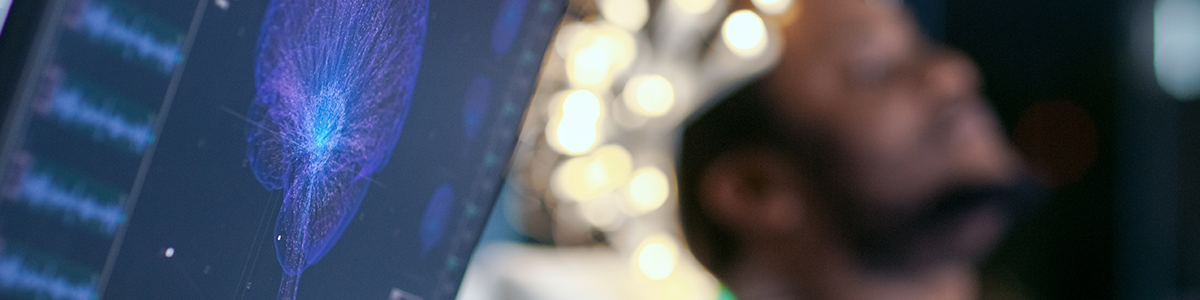
A research article from the neurofeedback research program, titled Contributions of the default mode and central executive networks during posterior cingulate cortex-targeted fMRI neurofeedback in PTSD was recently published in NeuroImage: Clinical. This study, which was co-authored by several researchers, including Fardous Hosseiny, President and CEO of the Atlas Institute for Veterans and Families, and Andrew Nicholson, Vice-President, Research at the Atlas Institute, explored how targeting the posterior cingulate cortex — a part of the brain involved in memory, identity and emotion that can become overactive in posttraumatic stress disorder (PTSD) — during functional magnetic resonance imaging-based neurofeedback (fMRI-NFB) enables individuals to regulate brain activity implicated in psychopathology, including PTSD.
This study found that:
- During posterior cingulate cortex downregulation, PTSD participants exhibited greater connectivity of the default mode network — a group of brain regions that are involved in trauma-related memories and identity — than healthy controls, which correlated with PTSD severity and emotion regulation difficulties.
- Central executive network connectivity — which is related to cognitive control and emotion regulation — decreased in both groups, with PTSD participants showing progressively reduced connectivity across training.
- Direct comparisons revealed that default mode network connectivity exceeded central executive network connectivity with several brain regions, particularly among PTSD participants.
These findings can help scientists, psychologists and communities better understand how targeting the areas of the brain related to the sense of self and identity can help in treatment of PTSD.

Free research training program: Still accepting applications from Veterans and Veteran Family members
We are still accepting applications for our Veteran and Family research training program. This free training is designed to equip Veterans and their Families with the research knowledge and skills they need to collaborate and advise on studies, from study development to sharing findings.
This year, based on additional community feedback, Atlas is offering two different ways of participating in the training: a series of beginner-friendly online workshops for those new to research, and a structured five-module training course for participants seeking more in-depth skill development.
- Workshop series: Four online workshops, designed for individuals with little or no prior research experience, which started in October 2025 and will run until March 2026. These introductory sessions will familiarize Veterans and Family members with current research and key findings in Veteran and Family well-being, build awareness of how research is conducted, increase understanding of the importance of integrating lived experience into research and encourage conversation about research between people with lived experience.
- Online course: Nine-week training made up of self-directed course work and live online classes, taking place between January and March 2026. This course will equip participants with a strong understanding of key research concepts, build capacity for engaging with academic or peer-reviewed literature, empower participants to formulate meaningful research questions, explore effective strategies for knowledge sharing and increase confidence to navigate roles within peer and community research contexts. Course participants will also be invited to optionally participate in a study about its impact.
Spaces are limited! We are inviting Veterans of the Canadian Armed Forces and Royal Canadian Mounted Police and their Family members to participate.
PARTNERSHIP AND STAKEHOLDER SPOTLIGHT
First Nations Veterans Summit
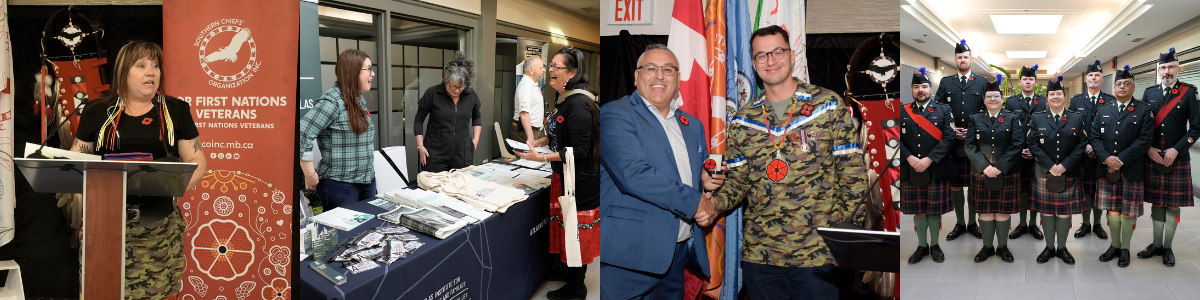
First Nations Veterans and their Families are at the centre of efforts to build stronger, more culturally grounded systems of care and support. We were honoured to be able to attend the Southern Chiefs’ Organization’s third annual First Nations Veterans Summit, which is helping to make that vision a reality by creating space for connection, healing and collaboration rooted in First Nations culture and community.
The gathering, which took place in Winnipeg, MB in November, brought together Veterans, their Families and service providers who work with them to advance meaningful change. We are grateful to have been invited to the summit and to have the opportunity to listen, learn and strengthen relationships with community members and partners who are working every day to improve outcomes for Veterans and those who stand beside them, and building a future where Veterans and Families have access to care and services that reflect and honour their lived experiences and stories.
We want to hear from you!
What did you think of this newsletter? Are you a Veteran or Family member with a story to tell? Get in touch with us!
Get more updates
Join our mailing list to receive this monthly newsletter and regular updates about Veteran and Family mental health from the Atlas Institute for Veterans and Families.
Follow us on social media
© 2026 Atlas Institute for Veterans and Families
