Veteran Family Summit 2026
Veteran Family Summit 2026: Post-event summary report
Veteran Family Summit 2026: Answers to submitted questions
Just as Veterans can be affected by their time in service, Veteran Families can often face challenges that impact their mental health as they support and serve alongside their loved ones. The Veteran Family Summit was created in collaboration with Veteran Families and those who support them in order to provide Families with access to knowledge, resources and supports specific to their unique needs — right from the comfort of their own home.
This year, join us to explore topics including overcoming grief and the act of self-love, mental health and brain fog, substance use and discovering hope and healing within a community that truly understands — because they’ve lived it too.
Our keynote speakers will include:
- Master Corporal (Ret’d) Natacha Dupuis, who will share her inspiring journey of navigating life after returning from Afghanistan with posttraumatic stress disorder (PTSD). Natacha now uses her voice to foster hope and awareness, after redefining her purpose and drawing strength from physical activity, her Family and the Veteran community.
- Sheri Lux, author of Finding My Fire, a heartfelt memoir of grief, healing and self-discovery. Sheri will open up about her personal journey through the quiet struggle of codependency, unravelled while supporting her husband, a Royal Canadian Mounted Police officer who had been living with an operational stress injury and tragically lost his battle with PTSD. Sheri will share how compassion, courage and the radical act of self-love helped her begin to heal.
This free two-day virtual event focuses specifically on the needs and experiences of Canadian Armed Forces (CAF) and Royal Canadian Mounted Police (RCMP) Veteran Families. In addition to serving Families, it offers a unique opportunity for service providers to learn how to best support the Veteran Family community.
The Veteran Family Summit is free to attend and features speakers from across Canada.
Learn more about our annual Veteran Family Summit — explore past events.
Agenda
Summit host:
Laryssa Lamrock
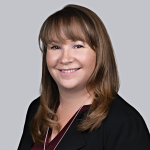
Summit host:
Polliann Maher
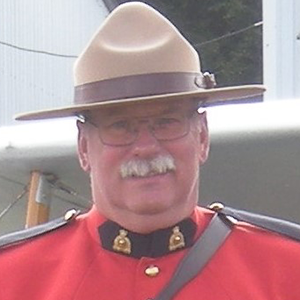
Summit emcee:
Gary Hollender
11 a.m. – 4:30 p.m. Eastern time
 Laryssa Lamrock (Host), Family member
National Strategic Advisor, Families
Atlas Institute for Veterans and Families
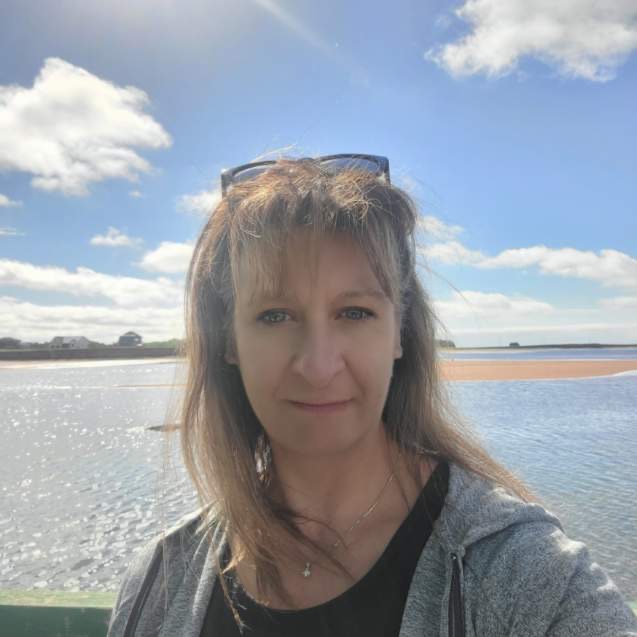
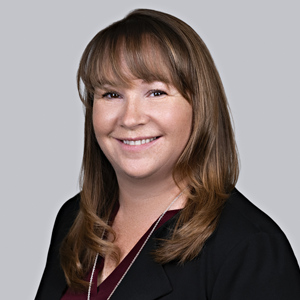 Polliann Maher (Host), Family member
Lived Expertise Lead, Families
Atlas Institute for Veterans and Families
In this heartfelt and revealing keynote, Sheri Lux shares her personal journey of healing from the quiet grip of codependency — an often-invisible pattern as she felt herself begin to unravel while supporting her husband, a Royal Canadian Mounted Police (RCMP) officer who had been living with an operational stress injury. He tragically lost his battle to posttraumatic stress disorder (PTSD), leaving her to grieve with their two children.
Through her deeply personal story, she opens a conversation that’s often left in the shadows: What happens when someone you love is hurting… and you suddenly realize you’ve lost yourself in the process of trying to help?
Sheri offers an honest look at the painful patterns of over-functioning, people-pleasing and self-sacrifice that so often accompany life with someone in crisis. But more importantly, she shares how she began to break those patterns — with compassion, courage and the radical act of self-love.
She walks audiences through the messy, beautiful work of healing: setting boundaries without guilt, rediscovering identity outside of roles and finding new expressions of self-worth through creativity, community and inner reflection. Her message is both tender and empowering — a reminder that healing is possible, even in the wake of profound loss.
This session discusses what brain fog is and how it can impact Veterans and their Families. You will learn some preliminary theories on how it can be triggered, suggestions for management for the entire Family and strategies for advocacy in health care settings. This presentation also discusses ways that health care professionals can support Veterans with brain fog.
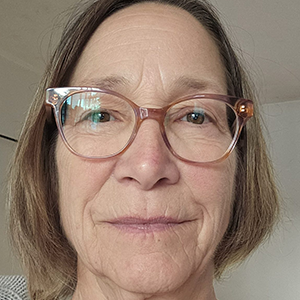 Susan Clarke-Tizzard
Corporal (Ret’d)
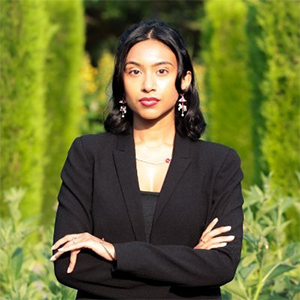 Ronessa Dass
Master of Science in Occupational Therapy / PhD student
Witnessing active addiction has a profound impact on the entire Family system. This candid conversation will empower listeners with a deeper understanding of the underlying dynamics that contribute to the progression of substance use disorder and provide them with new and more intentional ways to engage with addiction. Listeners will hear real-life examples of maladaptive coping strategies and learn how these behaviours interfere with their ability to support the treatment and recovery process for themselves and those living with addiction. Families will leave with a greater awareness of the need for their own support and practical tools for immediate implementation.
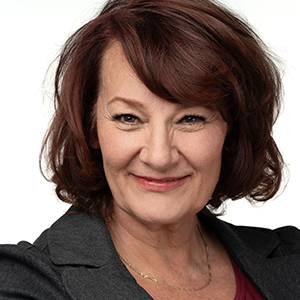 Donna Low
Canadian Certified Addiction Counsellor (CCDA)
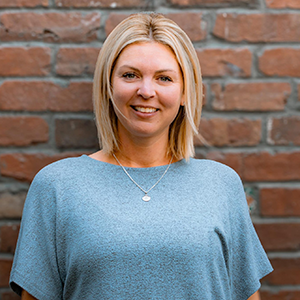 Sonja Riddle
Master of Arts in Counselling Psychology | Bachelor of Social Work | Canadian Certified Counsellor
In times of uncertainty and transition, shared experience can become a quiet anchor. This panel will discuss the grounding power of peer support, not as a solution to fix all problems, but as a support to walk alongside each other. Through compassion, presence and lived wisdom, we can find moments of calm, connection and strength along the journey.
Panellists:
Moderators:
Laryssa Lamrock (Host), Family member
National Strategic Advisor, Families
Atlas Institute for Veterans and Families
Polliann Maher (Host), Family memberLived Experience Lead, Families
Atlas Institute for Veterans and Families
Laryssa Lamrock (Host), Family memberNational Strategic Advisor, Families
Atlas Institute for Veterans and Families
Polliann Maher (Host), Family memberLived Experience Lead, Families
Atlas Institute for Veterans and Families
January 23, 2025
11:00 a.m. – 4:30 p.m. Eastern time
Simultaneous interpretation will be available in French for all sessions
Laryssa Lamrock (Host), Family memberNational Strategic Advisor, Families
Atlas Institute for Veterans and Families
Polliann Maher (Host), Family memberLived Experience Lead, Families
Atlas Institute for Veterans and Families
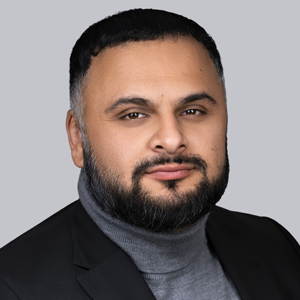 Fardous Hosseiny
President and CEO
Atlas Institute for Veterans and Families
In this inspiring and deeply personal talk, retired Master Corporal Natacha Dupuis shares her journey of navigating life after returning from Afghanistan with PTSD. Through the support of her Family, community and programs like Operational Stress Injury Social Support (OSISS) and the Soldier On program, Natacha found strength in sport, rediscovered purpose and began her path to healing. Now a decorated Invictus Games athlete and mental health ambassador, she uses her voice to raise awareness and offer hope. Her story is a testament to resilience, leadership and the power of connection in recovery. Join Natacha as she shares a message of courage and renewal.
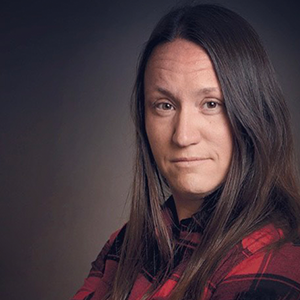 Natacha Dupuis, CD
Master Corporal (Ret’d)
Join us for an eye-opening session that puts Veterans and Families at the heart of sleep research. Discover how the Atlas team brought learned and lived experience together, while navigating the ups and downs of studying real sleep experiences in the Veteran and Family community.
This presentation will explore the unique process of co-creation, where lived experience shapes every step of the research. You will hear about early insights from the study, what Veterans and Families are saying about their sleep — or lack of it — and how your voices are driving meaningful change.
Trauma-exposed Families (TExF) are Family members of individuals who are chronically and continually exposed to traumatic events as part of their regular work duties. Oftentimes, information about trauma is not available or not accessible to Family members, making it challenging to understand and navigate for themselves, their children and other Family members. This presentation will focus on “Trauma 101” for TExF and will provide clear and understandable language for participants to not only learn what trauma is, but also what it isn’t, as well as fundamental skills for managing exposures in the Family context.
As the mental health needs of Veterans and their Families grow more complex, so too do the approaches to healing. This panel discussion explores emerging and at times controversial modalities — such as psychedelic-assisted therapy — that are challenging traditional models of trauma care.
Designed as an open and balanced forum, the conversation brings together clinicians, researchers, Veterans and Veteran Family members to offer diverse perspectives on what is changing, what shows promise and what we still need to understand.
While neither the Atlas Institute nor members of this panel endorse or oppose the use of psychedelics, we recognize that more Veterans are exploring these treatments independently. Our goal is to provide an open forum for dialogue, promote education and support Veterans and their Families.
Panellists:
Moderators:
Laryssa Lamrock (Host), Family member
National Strategic Advisor, Families
Atlas Institute for Veterans and Families
Polliann Maher (Host), Family memberLived Experience Lead, Families
Atlas Institute for Veterans and Families
Laryssa Lamrock (Host), Family memberNational Strategic Advisor, Families
Atlas Institute for Veterans and Families
Polliann Maher (Host), Family memberLived Experience Lead, Families
Atlas Institute for Veterans and Families
NOTE: Clinical support is available throughout the summit
through the Family Information Line (1-800-866-4546).
Explore this year’s resource booths
We work with Veterans, Families, service providers, and researchers to identify the best possible mental health care and supports for those who have given so much to Canada.
Established in 1955, Camp Maple Leaf is a registered charity that has welcomed thousands of children over the past 65 years who share unique life challenges. Our mission is to give Canadian Military families and children who share unique life challenges a camp to call their own. Camp Maple Leaf shows the lasting positive impact that camp can have on the lives of all children, and in the significant difference it can make to children growing up with unique life challenges. For example, children from Canadian Military families frequently must relocate, which may result in challenges in creating long lasting friendships. This is why Camp Maple Leaf is for the campers to make friends that follow them home. Camp Maple Leaf aims to be a home base for children to return to every summer with our biggest goal being FUN and friendships made and for campers to return every summer!
The health and well-being of Canadian military personnel, Veterans and their families is maximized through world-class research resulting in evidence-informed practices, policies and programs. To enhance the lives of Canadian military personnel, Veterans and their families by harnessing the national capacity for research.
Our booth will share mental health resources from CIPSRT and PSPNET, including a navigation video for PSPNET and materials created specifically for PSPNET Families to support spouses and family members of first responders. Resources will highlight evidence-based tools, steps to access services, and ways to stay connected through our website.
Honouring Service
Saluting Service honours the service of any RCMP and CAF Veteran. It also contributes to better understanding of the commitment, dedication, and sacrifice service members have made to our country and to peace and democracy around the world.
Saluting Service:
- Is an online place where people can honour a RCMP or CAF Veteran by creating a tribute.
- Enables family, friends or colleagues to work together on a tribute.
- Is free. There is no cost to create or maintain a quilt square.
- Allows visitors to add a message, or a “salute” to a tribute.
Recognizing and Responding to Effects of Service
Due to the nature of service, members of the CAF and RCMP are often involved in situations that affect their emotional health and families are also affected by service related losses. Traumatic events, transition out of service, absences, moves, deaths, life with PTSIs and other impacts of service on Veterans and families is often unrecognized, misunderstood, and under-supported. In partnership with Veterans, their families, and grief experts with investment from the Veteran Well-Being Fund, Canadian Virtual Hospice is finalizing a suite of resources to support Veterans and their families with service-related grief.
Content includes:
- Over 650 video clips of Veterans and family members sharing their experience and what helped.
- Topics for Veterans including: loss of a colleague, traumatic events, transition out of service, sexual trauma, loss and suicide, and “Your RoadMap” with practical coping strategies.
- A section for families with topics including family dynamics and tensions, absences, moving and other losses, recognizing and supporting your Veteran’s grief and the service-related grief of children.
Can Praxis is designed for Veterans/First Responders diagnosed with PTSD/OSI and their spouse/partner/family member. It provides an intense nine day program, divided into three phases each of which is three days long.
Services are available to all family members of transitioning Regular and Reserve Force members supported by the Transition Centre, regardless of their path.
The Chronic Pain Centre of Excellence for Canadian Veterans (CPCoE) was established to conduct research and help improve the well-being of Canadian Armed Forces (CAF) Veterans, and their families, suffering from chronic pain.
We aim to enable knowledge that is Veteran informed, raising awareness of the unique circumstances of Veterans and mobilizing information to influence policies and programs that impact our Veterans and their families.
The DND/CAF Ombudsman’s Office works to ensure fair treatment within the Department of National Defence (DND) and the Canadian Armed Forces (CAF). We support members of the Defence community — including serving personnel, veterans, families, and anyone seeking assistance — by providing information, answering questions, and guiding individuals through processes and concerns. We also study issues affecting the Defence community and recommend improvements to programs and services.
As an independent body, we operate at arm’s length from both the military chain of command and civilian management. If you believe you’ve been treated unfairly or simply need clarification or support, we are here to help.
Eggshells is a national, virtual mental health program offering confidential support to Veterans and Veteran Families in Canada impacted by a loved ones’ substance use.
Eggshells is available at no cost to Veterans and Veteran family members, regardless of whether their loved one is in active addiction, seeking or receiving treatment, in recovery, or if they are grieving the loss of their loved one to addiction.
Eggshells offers a comprehensive program that includes 22 clinical care hours of virtual group counselling. Following the group sessions, participants have access to 16 hours of counsellor-facilitated virtual peer support to continue to address the physical, mental, emotional, and spiritual impacts of a loved one’s substance use.
Through counselling, education, and peer support, Eggshells creates a safe space to explore emotions, strengthen family relationships, and promote healing. With specialized counsellors, participants explore the impact of substance use on family dynamics, trauma and the nervous system, healthy boundaries, self-care, and much more!
We provide emotional support, immediate crisis intervention or short-term counselling sessions, and information and referrals to different resources/topics tailored to the inquirer’s needs.
When one serves, the whole family serves. We provide Canadian Garnet families — defence, public safety, and first responder families — with a hub of research and evidence-based resources tailored for them.
MindKit is a place for youth to explore things related to mental health. It was created for and with young Family members of Canadian Veterans living with a posttraumatic stress injury (PTSI). We’re here to help youth learn about things like mental health and the brain, what it’s like to live with PTSI in their Family and different ways to handle challenges.
The Mood Disorders Society of Canada was launched in 2001 to provide people with mood disorders, their families and caregivers a strong, cohesive voice at the national level on issues relating to mental health and mental illness. With particular regard to depression, bipolar disorder and other associated mood disorders, the MDSC aims to improve access to treatment, inform research, shape program development and government policy to improve the quality of life for people affected by mood disorders.
The Office of the Veterans Ombud (OVO) reviews complaints, and challenges the policies and decisions of Veterans Affairs Canada where we find individual or systemic unfairness. We strive to be an independent and respected voice for fairness and a champion for the well-being of Veterans and their families.
Who We Are
We are OSISS, the Operational Stress Injury Social Support program. Our team is made up of Coordinators who have lived experience with an Operational Stress Injury (OSI). We understand the challenges you face because we’ve been there. Our mission is to provide compassionate, confidential support to Canadian Armed Forces members, veterans, and their families living with an OSI.
What We Do
We offer one-on-one support through judgment-free conversations, listening, and sharing practical strategies for wellness and recovery. Our structured group sessions create safe spaces for connection, learning, and exchanging positive solutions, often featuring guest speakers who inspire and inform. We also recruit and train volunteers who “pay it forward” by helping others on their OSI journey.
Why We’re Here
Social connection is vital to healing. Through peer support both in-person and virtual we break stigma, foster resilience, and provide hope. You are not alone. Together, we walk the path toward stability, strength, and renewed well-being. Confidentiality is our priority, ensuring your trust and safety every step of the way.
The Family Services Program supports current and former RCMP employees and their families during times of bereavement, critical illness, or injury. It plays a vital role in ensuring families feel supported throughout an employee’s career and into retirement.
The Sexual Misconduct Support and Resource Centre provides support services for currently serving and former Canadian Armed Forces members, National Defence public service employees, Cadets and Junior Canadian Rangers affected by sexual misconduct and their families, aged 16 and older. We also provide guidance and support for leaders and management on addressing sexual misconduct.
Strongest Families offers free, confidential, skill-based programs designed to empower families with practical tools that create lasting change.
Support. Connection. Resilience.
The Support for Operational Stress Injury (SOSI) Program provides peer support to all employees of the RCMP, regardless of rank or category of employee, as well as RCMP veterans and retired employees who are impacted by an OSI (Operational Stress Injury). An OSI (Operational Stress Injury) is any persistent psychological difficulty resulting from operational duties that may include:
- Anxiety
- Depression
- Post-traumatic Stress Disorder (PTSD)
- Substance Use
- Addictions
- Any other condition that interferes with your daily functioning
SOSI Coordinators are employees of the RCMP who offer non-clinical assistance and support based on shared experience and specific OSI training that they have received.
Our peer support network can connect you to supportive community of people and groups with similar experiences and resources to help.
The Trail – Le Sentier is a Quebec-based non-profit organization dedicated to supporting Canadian Veterans as they transition from military to civilian life. Our mission is to provide free psychosocial and administrative support, both in person and online, so Veterans never have to navigate this journey alone.
If you are a current or former member of the CAF or RCMP, or a family member, we have services and benefits to improve your well-being.
Wounded Warriors Canada (WWC) is a national mental health service provider dedicated to serving Trauma Exposed Organizations, Trauma Exposed Professionals and their families. WWC specializes in providing culturally informed services that utilize a combination of education, counselling, and training approaches to support resiliency and recovery from post-trauma injuries.
Bios
Tabitha Beynen
Tabitha Beynen served for 10 years in the Canadian Armed Forces as a Medical Technician. Her story of her experience with posttraumatic stress disorder (PTSD) highlights the unique struggles related to women’s mental health, being in survival mode and learning to live again with feelings and emotions. She also focuses on the unique needs and experiences of single parents struggling with PTSD. She currently serves as Lived Expertise Lead, Veterans at the Atlas Institute.
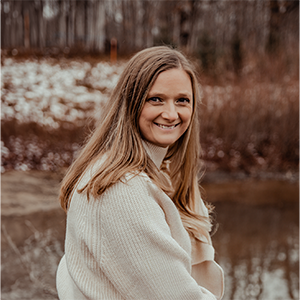
Dr. Tim Black
Dr. Tim Black is the National Clinical Director at Wounded Warriors Canada (WWC). A clinician, researcher and program developer, he has been working with trauma-exposed professionals (TExP) and their trauma-exposed Families (TExF) for his entire career. After more than 20 years as a tenured Associate Professor of Counselling Psychology at one of the top graduate programs in Canada, he left the academic world in 2024 to join WWC as National Clinical Director, where he currently oversees and supervises WWC’s education, training and treatment programs for traumatized TExP and their Families across Canada. Tim co-developed the WWC Trauma Resiliency programs (TRP1 and TRP2), Couples Overcoming PTSD Every Day (COPE) program, the Trauma Resiliency Training (TRT) and TRT for Leaders (TRT-L) programs, which have grown and expanded nationally and are now being delivered in multiple provinces in both official languages.
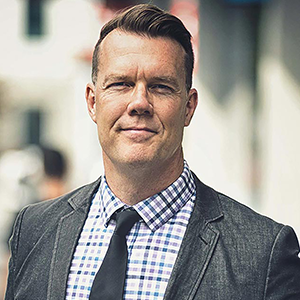
Jill Carleton
Jill Carleton is a retired Regular Force Naval Veteran, military spouse and military parent. She has volunteered with multiple non-profit and charitable organizations, mentored through the Mental Health Commission of Canada’s (MHCC) SPARK program and is a trained peer supporter through Mental Health Innovations and through the Mood Disorders Society of Ontario.
Jill is one of the founders of the Royal Canadian Legion’s Operational Stress Injury (OSI) Special Section and currently serves as the Dominion Treasurer of the Legion, as well as Secretary of the Navalis Foundation (formerly known as the Royal Canadian Naval Benevolent Fund).
Jill is an ardent believer in peer support and its role within the military and Veteran Family community.
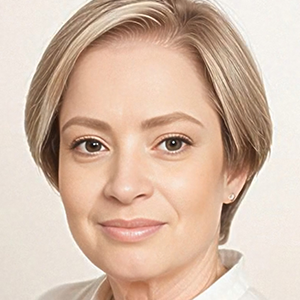
Susan Clarke-Tizzard
Susan Clarke-Tizzard grew up in the military and then joined it. She served from 1983 until 1994 in the Canadian Armed Forces (CAF). Long after leaving the CAF, she received her Bachelor of Arts in Organizational Management, Teaching English as a Second Language I & II from Crandall University and International Community Development from Mount Royal University.
She views the military as her culture and society. She never believed for a moment that she would ever leave the military environment, but ended up leaving on a medical release. In 2012, she had back and spinal surgery due to military injuries and just to make it more interesting, broke her hip while doing canicross with her dogs in 2017. As a Veteran consultant for research projects, living with chronic pain, she is able to educate researchers, clinicians and others regarding the Veteran mindset and the stoicism that is displayed in regards to chronic pain.
Susan is a volunteer who is dedicated to trying to make a difference for Veterans. Her strength is in communicating the uniqueness of military life as a military child and as a military member herself. As a woman Veteran, she is also able to discuss the unique issues that some women Veterans have faced in the military, and what they face as they attempt to transition to a life outside of the CAF.
She is an “et al” co-author, published in the Journal of Cancer Education and the Journal of Military, Veteran and Family Health.
Ronessa Dass
Ronessa Dass (she/her) is a joint rehabilitation sciences and occupational therapy student at McMaster University, supervised by Dr. Tara Packham. Both Ronessa’s master’s and PhD thesis were supported by a Capacity Building Initiative from the Chronic Pain Centre of Excellence for Canadian Veterans. Ronessa is passionate about improving the accessibility of pain services.
Natacha Dupuis
Natacha Dupuis is a retired Master Corporal of the Canadian Armed Forces, with more than 16 years of service that include key missions such as the ice storm crisis, a tour in Bosnia and two deployments to Afghanistan. During her second tour, she faced the devastating loss of comrades, leading to a diagnosis of posttraumatic stress disorder.
Committed to her recovery, Natacha turned to physical fitness as a vital component of her healing journey. With the support of her loved ones and initiatives such as the Soldier On program, she regained strength and resilience through sport, rediscovering both purpose and a sense of community.
Her athletic journey took centre stage at the Invictus Games. In 2016, she earned two gold medals in track (100m, 200m) and a bronze in powerlifting. The following year in Toronto, she served as Co-Captain, winning three gold medals (100m, 200m, 400m) and a silver in indoor rowing.
Originally from Montreal’s south side, she now resides in the National Capital Region, where she serves the public in a new civilian role and advocates as a mental health ambassador through public speaking engagements. Her story is one of courage, transformation and perseverance, an inspiration for others to rise beyond adversity and pursue their dreams.
Gary Hollender
Gary Hollender started his service in uniform as a Cadet with the Seaforth Highlanders of Canada at age 12. He went on to serve in the Reserves before becoming a Royal Canadian Mounted Police (RCMP) Auxiliary Constable in 1988.
After Language Training and Depot, his first posting took him and his wife and three daughters from British Columbia to Peace River, AB. a wonderful community that accepted him and his Family as one of their own. It was also the first place someone shot at him.
After postings at Hobbema, AB, Cross Lake, MB, and again across Alberta in Leduc, Assumption, Thorsby, Breton, Maskwacis, Edmonton, and finally at the Edmonton Airport, he retired in July 2021. In addition to his normal duties, Gary volunteered with the Special Tactical Operations Team, then as a tactical medic with the RCMP Emergency Response Team and finally on the Comunity Liaison Team (dealing with protests and other major events).
The highlight of his career was as an Operational Trainer/Mentor to the Afghan National Police, in Kandahar, from March to December of 2009 while seconded to the Canadian Armed Forces (CAF) and United States Army.
In his spare time, he volunteered as a firefighter / Lieutenant from 1998 to 2013 in the communities where he lived, as well as a CAF Cadet Instructor training Cadets in Alberta and Manitoba since 2006.
He now works as a labour relations officer with the National Police Federation.
He has been married for 40 years, He has three daughters, six grandchildren, one dog and two cows.
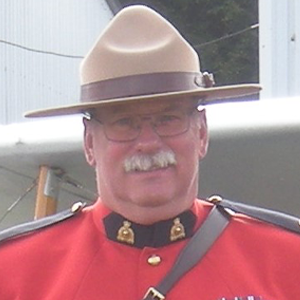
Fardous Hosseiny
Fardous Hosseiny is the President and CEO at the Atlas Institute for Veterans and Families. Before coming to Atlas, he was most recently the interim National Chief Executive Officer and the National Director of Research and Public Policy at the Canadian Mental Health Association.
Fardous hopes that Atlas embodies “serving those who have served” as we continue to work hand in hand with Veterans and their Families. His goal is for the Atlas Institute’s work, research and outreach to be imbued with the voices of Veterans and their Families, as he believes change will come through this kind of meaningful engagement.
Gordon “Gordo” Hurley
Gordon Hurley (he/him) is a Canadian Armed Forces (CAF) Veteran who served 15 years as a light infantry airborne reconnaissance patrolman in the 3rd Battalion, Royal Canadian Regiment (RCR), and later as a special operator and Joint Terminal Attack Controller (JTAC) within Canadian Special Operations Command (CANSOFCOM).
Following his medical release, Gordon shifted his focus from military operations to creative and advocacy work. He co-founded All The Way Factory, a Veteran-led creative agency that uses storytelling, design and media to bridge the gap between lived experience and public understanding.
As the Producer and Creative Lead of the Advance Force Operations documentary series, Gordon brings a Veteran lens to conversations about trauma, transition and recovery. The series focuses on evidence-based, medically supervised therapies for posttraumatic stress and related injuries, beginning with ketamine-assisted therapy.
Gordon’s advocacy is rooted in collaboration with clinicians, researchers and Veteran-serving organizations across Canada. He has briefed government and community leaders on topics including operator syndrome and alternative therapies, to improve access, reduce stigma and encourage data-informed dialogue.
He continues to volunteer across multiple Veteran organizations and boards that focus on mental health, transition and community leadership. His work emphasizes honesty, inclusion and the belief that the people most affected by trauma should be part of shaping how we understand and address it.
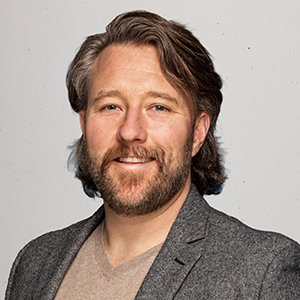
Howie Johnson
Howie Johnson served in the Canadian Armed Forces (CAF) for 28 years, retiring in 2009. After transitioning from military service, he dedicates his time and efforts to peer support work, focusing on Veterans and first responders — groups whose sacrifices and challenges he deeply understands.
Howie continues to serve his community through volunteerism with Boots on the Ground and Heroes Mending on the Fly, ensuring that those who serve others are themselves acknowledged and supported.
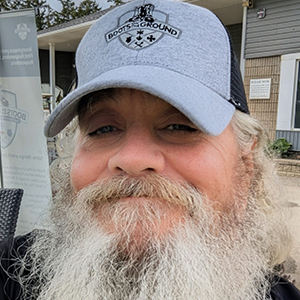
Danielle Kelly
Danielle has been a Family Peer Support Coordinator with the OSISS Program (Operational Stress Injury Social Support) for over 17 years, supporting the Families of Canadian Armed Forces (CAF) members and Veterans. Danielle’s connection to the military community runs deep. She is the daughter of a now-retired military member and has been posted across Canada and had three postings to Germany. She is a daughter, mother of two amazing adults and grandmother to three grandchildren.
She is passionate and dedicated to supporting Families on their journeys of wellness with compassion, empathy and understanding. A strong advocate for helping Families learn to make their own well-being a priority while continuing to care for those they love, Danielle brings both lived experience and heartfelt commitment to her work.
She believes it is a privilege and honour to walk beside Families on their incredible journeys of healing and posttraumatic growth. She understands the impacts and challenges of operational stress injuries and reminds Families that they are never alone — that healing happens together, in community.
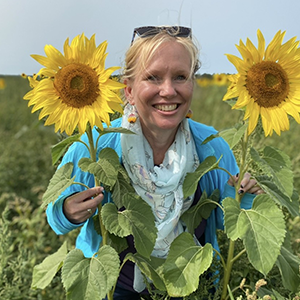
Laryssa Lamrock
Laryssa Lamrock is the National Strategic Advisor, Families at the Atlas Institute for Veterans and Families. She has a personal understanding of the many challenges facing Veteran Families as the spouse of a Canadian Armed Forces Veteran who was medically released with posttraumatic stress disorder and depression, and as a mother who supported four children impacted by the operational stress injury of their loved one. Laryssa draws from these experiences as she advocates passionately for and represents the voices of military and Veteran Family members.
Donna Low
With more than 18 years of experience in the field of addiction, Donna Low has been a driving force behind the development and facilitation of some of Canada’s leading Family and children’s programs. Her work is grounded in a strong academic foundation in child and youth care and complex Family systems, further enriched by mentorship under Neal Berger, a renowned expert in substance use and mental health treatment across North America.
Donna’s approach is deeply compassionate and rooted in both professional expertise and personal experience. Having navigated the challenges of generational substance use disorder within her own Family, she brings a rare authenticity and empathy to her work. Her ability to create safe, supportive spaces allows individuals and Families to explore their healing journey with courage and hope.
Known for her down-to-earth style and genuine connection with others, Donna delivers recovery tools in a way that is both accessible and impactful. Through her work, she has inspired countless individuals, Families, communities and workplaces to believe in the possibility of recovery and lasting change.
Sheri Lux
Sheri Lux is the author of Finding My Fire, a heartfelt memoir that chronicles her journey through grief, healing and self-discovery. In its pages, she vulnerably shares her experience navigating the quiet weight of codependency, the heartbreak of loss, overcoming transformative surgeries and the courage it takes to reclaim one’s voice.
She is a former teacher who earned her BA and B.Ed. from the University of Saskatchewan. She was married to a Royal Canadian Mounted Police (RCMP) officer, who tragically lost his battle with posttraumatic stress disorder (PTSD). After his passing, she left her teaching career to dedicate herself to her grieving children while also building her company, Karys Layne Candles. Through her scented woodwork candles and crystal-infused art, she creates pieces that embody transformation and healing — each one inviting you to slow down, reconnect and remember the light within.
As a mother, author, teacher, artist and entrepreneur, she embodies resilience in everything she does. Through her writing and public speaking, she inspires others to turn their deepest pain into power and to rebuild lives rooted in authenticity, strength and purpose. Sheri’s work serves as a reminder that even in our darkest moments, healing is possible — and that the life we’re meant to live awaits us on the other side of our willingness to rise, shine a light on the shadows and reveal the pattens which no longer serve us.
Sheri currently lives in Calgary, AB and finds her inspiration in the breathtaking views of the Rocky Mountains.
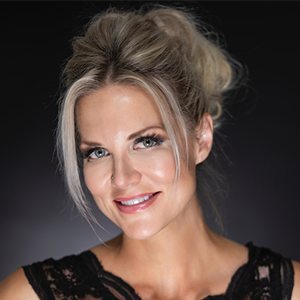
Kate Hill MacEachern
Dr. Kate Hill MacEachern is a Senior Research Associate at the Atlas Institute for Veterans and Families. Her work is anchored in social determinants of health with a particular interest in how sex- and gender-specific issues relate to mental health and well-being. She is a co-founder of the Athena Project, a community-engaged research initiative dedicated to conducting applied research in support of the mental health and well-being of women Veterans. She received a PhD in psychology from Carleton University.
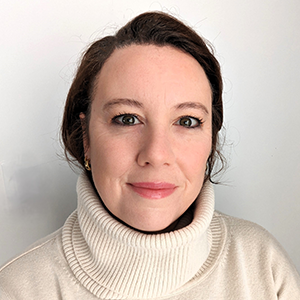
Polliann Maher
Polliann Maher is the Lived Expertise Lead, Families at the Atlas Institute for Veterans and Families. She is the spouse of a Veteran with posttraumatic stress disorder and brings to her role more than 20 years of lived experience in navigating the mental health system. Polliann is passionate about educating the Veteran community and sharing her knowledge of the resources that are available to them. She is a strong advocate around changes that encompass the Family, which are many times an afterthought or forgotten.
Brian McKenna
Brian McKenna served for 19 years in the Canadian Army, retiring as a Warrant Officer. In that time, he served in Bosnia twice, both as a signaller and then a section commander. He then deployed to Afghanistan twice, once with the Canadian Army and once again as a NATO counter-improvised explosive device instructor. While seeking medical treatment post-release, he joined with other Veterans in petitioning the government for the creation of a centre focused on Veteran and Family mental health issues, resulting in the establishment of the Atlas Institute. Brian has incorporated both evidence-based and non-evidence based practices in his recovery and currently serves as National Strategic Advisor, Veterans, for the Atlas Institute for Veterans and Families.
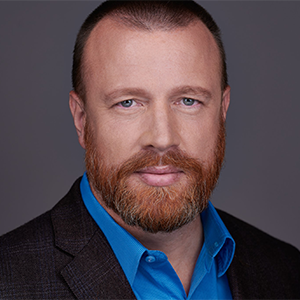
Candice Monson
Candice is a Professor of Psychology at Toronto Metropolitan University and Founder and CEO of Nellie Health. She is one of the foremost experts on traumatic stress, and specifically individual and conjoint therapies for posttraumatic stress disorder (PTSD) and the interpersonal aspects of traumatization and recovery. She has received numerous awards for her clinical, teaching and research contributions, including Fellow status in the Canadian and American psychological associations, Association of Behavioral and Cognitive Therapies and Canadian Association of Cognitive and Behavioural Therapies. In 2025, she won the Canadian Psychological Association Award for Distinguished Contributions to Psychology as a Science. She has published more than 200 publications and co-authored eight books, including the treatment manuals Cognitive Processing Therapy: A Comprehensive Manual and Cognitive-Behavioral Conjoint Therapy for PTSD. She is also well-known for her clinical training and therapy dissemination efforts.
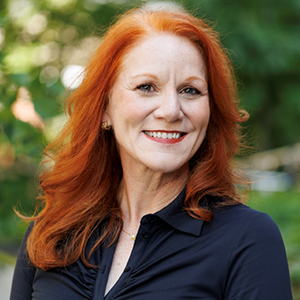
Sophie Richard
Sophie Richard is a registered social worker with more than 25 years of experience in the fields of bereavement and mental health within the Department of National Defence (DND). For more than 20 years, she has served as the National Program Bereavement Peer Support Manager for the HOPE (Helping Our Peers by Providing Empathy) program, a role through which she and her team has profoundly supported Canadian Armed Forces (CAF) members and their Families.
In 2006, Sophie developed the HOPE program, which provides peer support and education on grief. Through this program, she and her team have helped members and Families understand that grief is more than “just” sadness — it impacts one’s actions, emotions, thoughts, spirituality and both physical and mental health. Her compassionate approach and expertise have guided many through the most difficult moments of loss.
Throughout her career, Sophie’s passion for helping others navigate grief has remained steadfast. Her work continues to make a lasting impact on the lives of those she serves and on the culture of care within the CAF community.
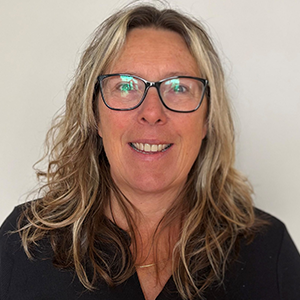
J Don Richardson
Dr. J Don Richardson is a psychiatrist at the Operational Stress Injury (OSI) Clinic, Professor and Tanna Schulich Chair in Neuroscience at Western University and Director of the MacDonald Franklin OSI Research Centre. He also serves as Medical Advisor to the Atlas Institute for Veterans and Families and is a Fellow of the Canadian Institute for Military and Veteran Health Research (CIMVHR). With more than 25 years of experience as a clinician-researcher and more than 100 peer-reviewed publications and book chapters, he is dedicated to advancing mental health care for military personnel and Veterans.
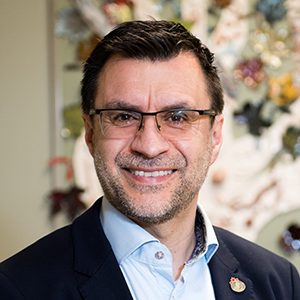
Sonja Riddle
Sonja Riddle is a highly skilled clinician with more than a decade of both personal and professional experience in the field of addiction. Her work spans the full continuum of care, with a strong focus on developing and facilitating Family and children’s programming at some of Canada’s leading treatment centres.
Throughout her career, Sonja has been dedicated to transforming how substance use disorder is understood and approached. Her ability to communicate complex concepts with clarity and compassion offers meaningful relief and insight to the individuals and families she supports. She creates a space where people feel seen, heard and empowered to heal.
Sonja’s teaching style is both inspirational and grounded, helping Families make sense of their experiences while fostering connection and hope. Her work continues to make a lasting impact on those navigating the challenges of addiction and recovery.
Dr. Thomas Wasiuta
Dr. Thomas Wasiuta is a psychiatrist primarily treating active-duty members of the Canadian Armed Forces (CAF), Veterans and Royal Canadian Mounted Police (RCMP) personnel. He has an undergraduate degree in neuroscience from the University of Toronto and completed his medical doctorate at Western University. Following residency training in psychiatry, he pursued additional fellowship training at the Operational Stress Injury (OSI) Clinic in London, ON, treating posttraumatic stress disorder (PTSD) and other OSIs. He has experience in novel therapeutic approaches to PTSD treatment, having recently incorporated ketamine treatment into his work with CAF Veterans.
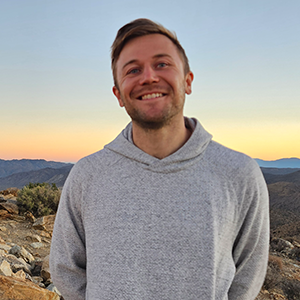
Grant Winfield
Grant Winfield is a military child and the son of two Veterans and has experienced first-hand what it is like to live with a parent with posttraumatic stress disorder (PTSD). While he and his parents are now each other’s closest supporters, they struggled through many of the trials of PTSD in isolation — away from relatives and other military Families. As an adult, Grant has found his place in the military Family community as a mentor, helping other military children understand mental health and not owning your parent’s trauma.
Grant has a Bachelor of Arts in Political Science and Drama from the University of Alberta. He has volunteered for four years as a mentor with Big Brothers Big Sisters and for two years with Wounded Warriors Canada (WWC). As a facilitator with the WWC Warrior Kids Camps, Grant guided the children of first responders and Veterans through discussions of mental health and operational stress injuries. Grant also works with a Veterans advocacy group, helping Veterans, Royal Canadian Mounted Police members, and their Families overturn unfavourable disability benefit decisions from Veterans Affairs Canada (VAC).
This is Grant’s second project with Atlas. In 2025, he participated in a digital storytelling workshop where he made a short film about his Family’s story titled Finding my role. He hopes that by sharing his experiences, other Veteran Family members will see the importance of peer support, not just for the health of the Veteran, but for themselves as well.