- 2026-05-14
- Blog
Learning to name what we lived: The stories we rarely tell

I have never quite seen myself as a “military brat.”
Unlike many other military and Veteran children I have met, that identity didn’t feel like it belonged to me. It wasn’t that I rejected it outright, it just didn’t seem to fit in the way it seemed to fit others. Only recently have I begun to turn toward that part of myself with curiosity instead of distance. Understanding what it has meant to grow up as the daughter of a Veteran with a service-related injury and what it continues to mean has become a quiet unfolding journey in my life.
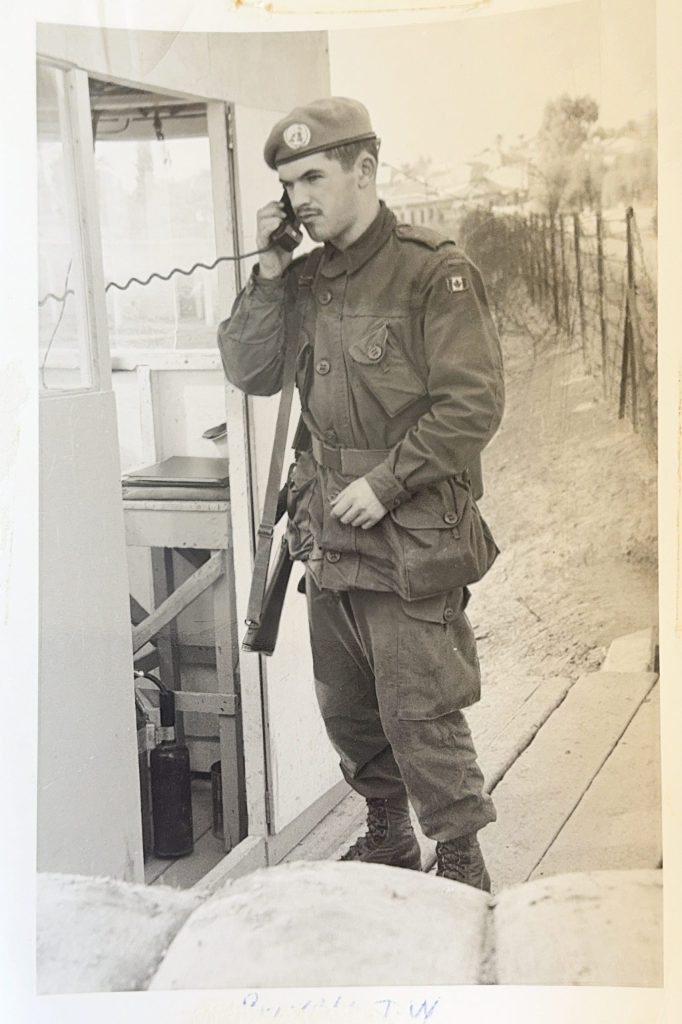
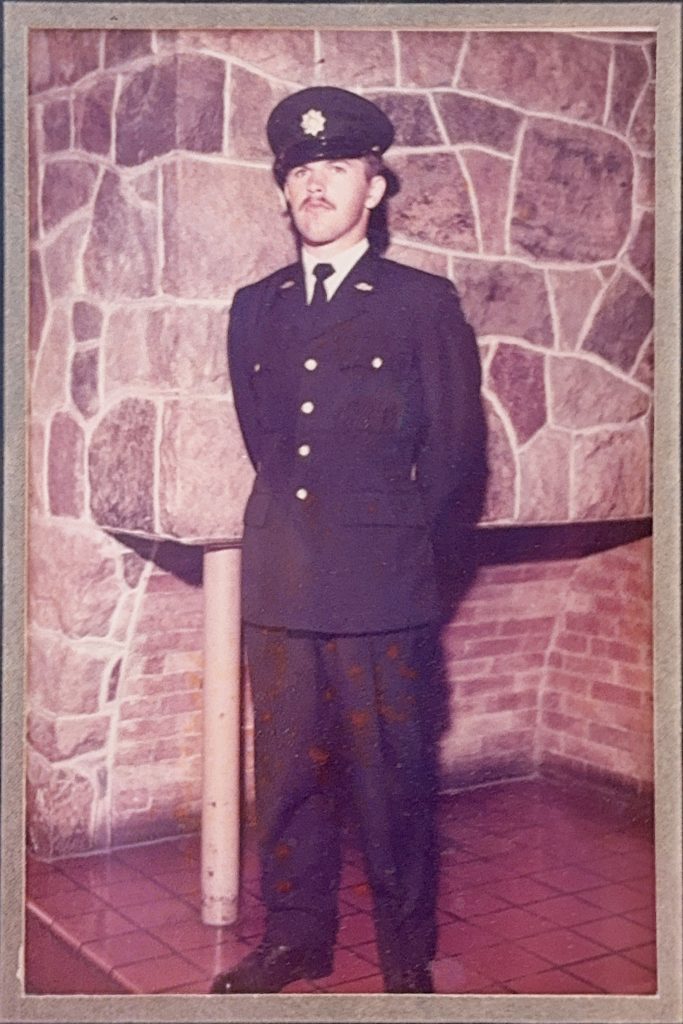
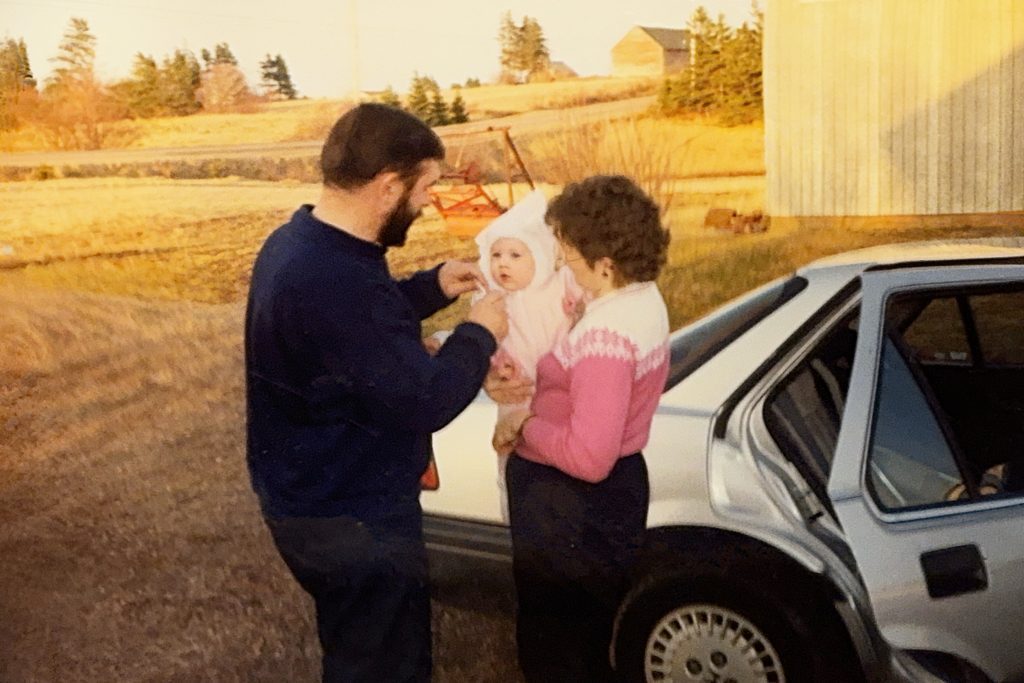
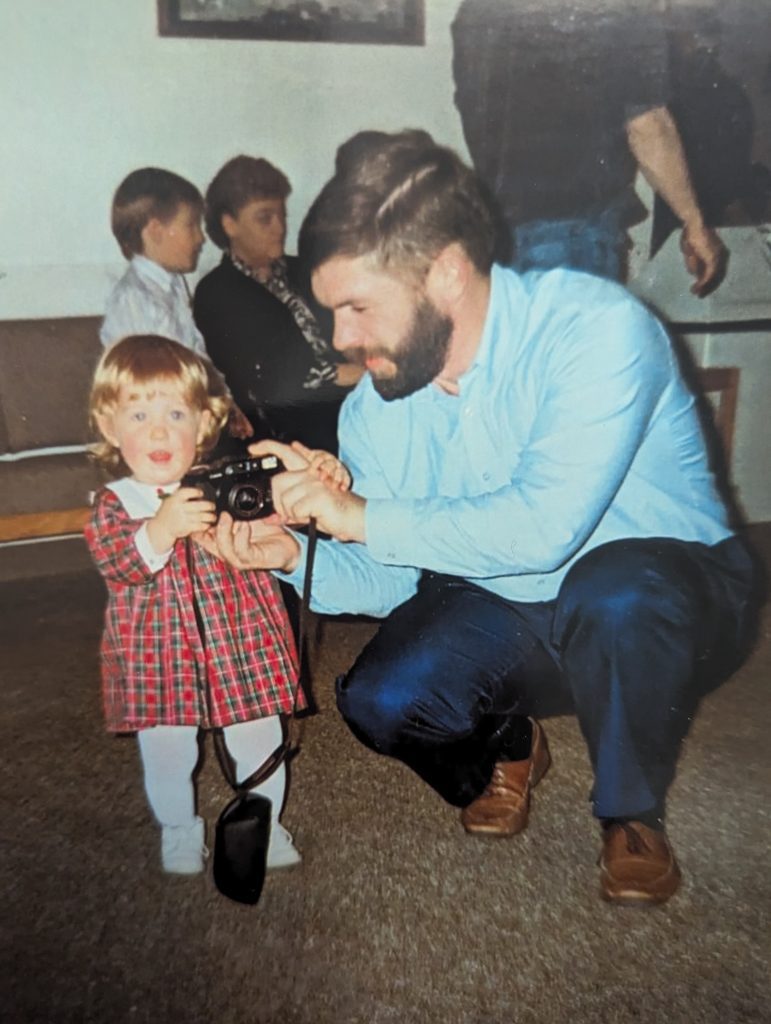
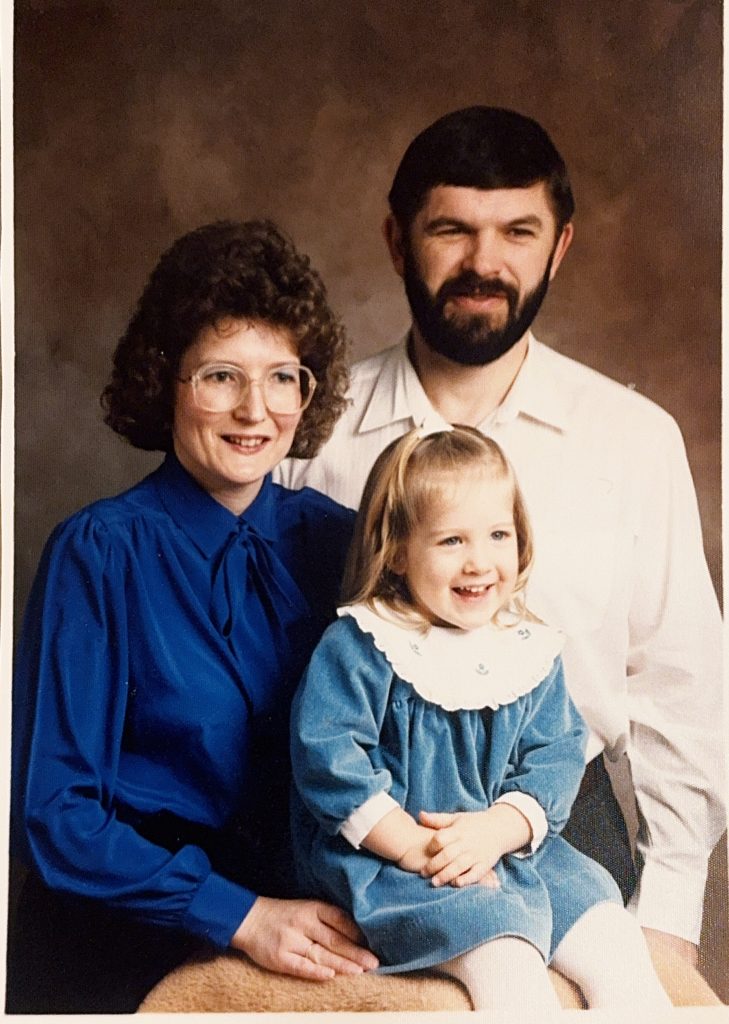
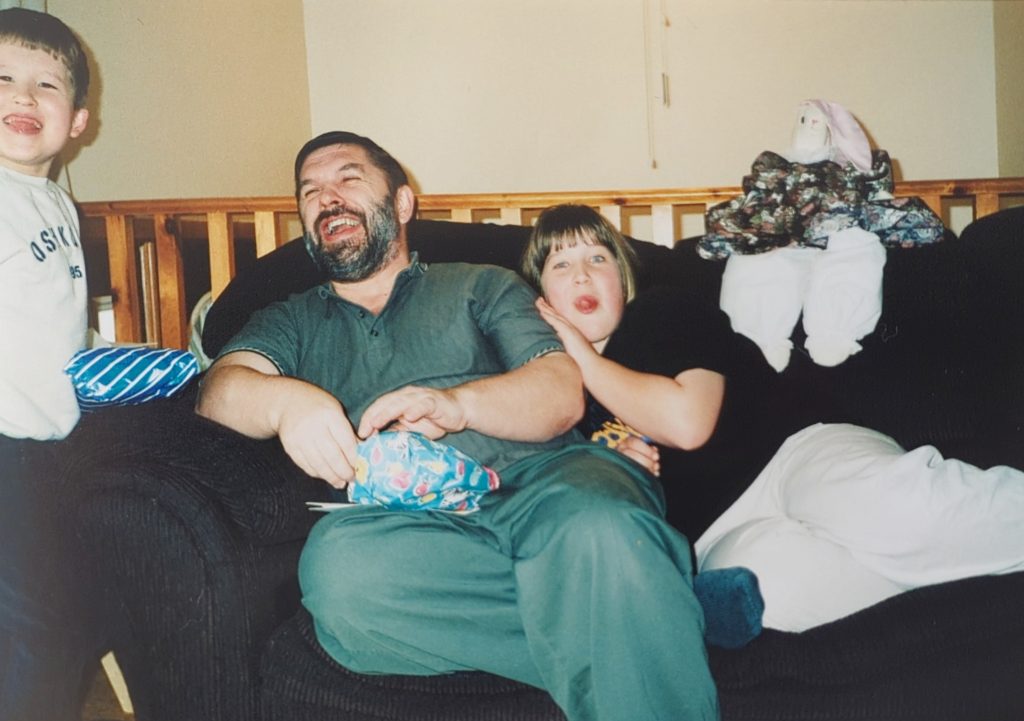
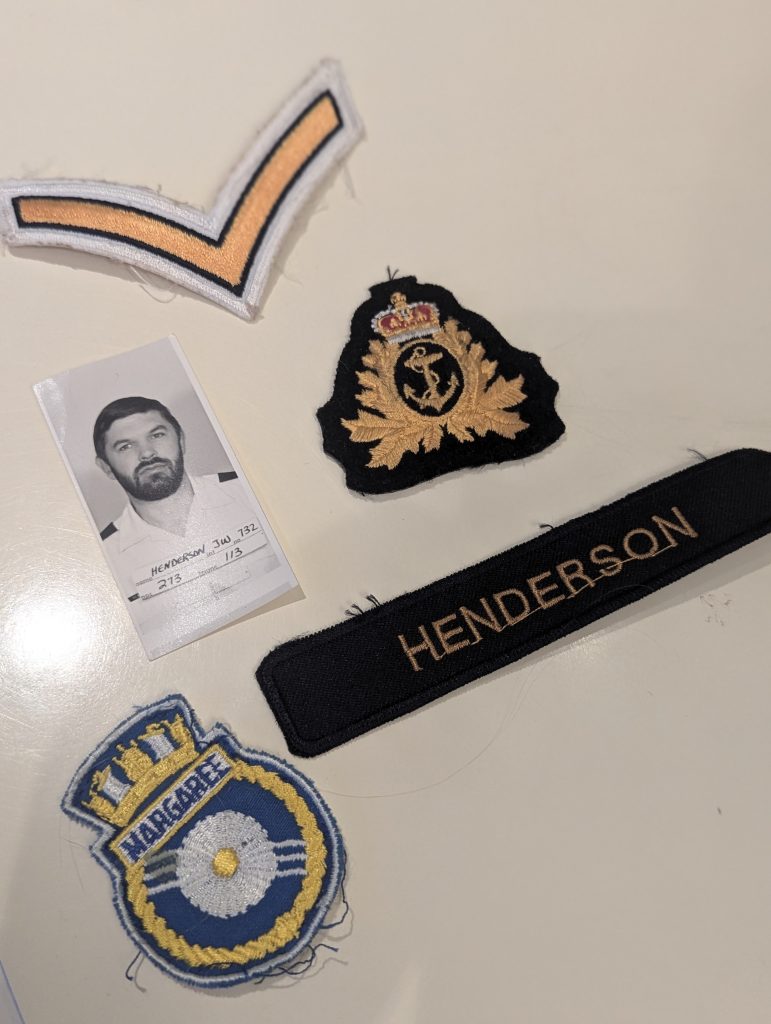
My father, Jack Henderson, served in the Infantry in his younger years before spending the majority of his career in the Navy. He was a Leading Seaman, a Sonarman on the HMCS Athabaskan and HMCS Margaree. If you were to ask me what he did, I could tell you the names of a few of the ports he visited. I could tell you about standing on the docks in Halifax Harbour during Family days, about the way the ships felt impossibly large compared to my little legs and also about the pride I felt seeing him in uniform. Beyond those fragments and glimpses, there isn’t much more I could offer, as our Family never talked about his service in any deep or sustained way. His stories, when they came, were usually about the beautiful places he has seen around the world. What we did not talk about was his early service in Cyprus, what happened on many of those longer Navy deployments on the ship, or what happened when Swissair Flight 111 crashed off the coast of Nova Scotia and how helping with that tragedy settled into him. However, it was evident the effects of his service swiftly changed our household before and long after his medical discharge in the early 2000s. I must have been around 11 or 12 years old at that time and didn’t fully understand why my dad was “retiring” in his 40s, when all of my friends said their parents had many more years to go, and told me I was lucky he could drive me to school. This was a stark contrast to my very young years where I remember sending him off on the ship for months at a time and filming home videos as a young child so that he could still catch my and my baby brother’s early milestones.
The earliest memories of his service that come to mind are the crisp lines of his uniform hanging carefully pressed, the careful trim of his beard and my baby brother crying when we first saw him without it and a fully shaved face. I vividly recall the smell of him shining his shoes in the basement for what felt like hours. One of my favourite things about his deployments was that he would always come back from months away at a time with a new doll for me from each and every port he visited. I still have them stored away as they have become tiny reminders of where he had been and a map of his service. These are the versions of his service that I remember and hold dear as so much else remained unspoken.
As I grew older, those memories shifted. The polished shoes and pressed uniform began to carry a different meaning. I started to see the weight he carried. I noticed sleepless nights, the days he didn’t get out of bed except to drive me and my brother to school, and the long vast stares into the distance. I remember as a kid peeking in his bedroom or while he was asleep on the couch in the rec room to see if he was still sleeping and to make sure he was okay. I remember feeling so angry at him during Family gatherings that he would take himself to the next room often putting his head in a book or taking a long nap as if to isolate himself from the fun. In moments where he did seem to have the energy and ability to socialize, my dad was known for his infectious laugh and goofy sense of humour which often felt like they were working overtime. I now know the humour was holding something heavier at bay. As early as 12 years old and late into my teenage years, I grappled with my own feelings of fear, anxiety, sadness and my own experiences of suicidality. I longed for the whimsical, fun parts of my dad that at times felt distant or forced and I desperately wanted a home life that looked more like what I imagine my friends were going home to. Of course, my parents tried so hard to make sure my brother and I were happy and got to experience the joys of childhood. There was so much love in those efforts, but what was left unspoken always seemed to take over, quietly shadowing the atmosphere of our home no matter how hard we tried to hide it.
“The earliest memories of his service that come to mind are the crisp lines of his uniform hanging carefully pressed, the careful trim of his beard and my baby brother crying when we first saw him without it and a fully shaved face. I vividly recall the smell of him shining his shoes in the basement for what felt like hours.”
— Jana Rockwell
At the time, I didn’t understand what posttraumatic stress disorder (PTSD) was, and I didn’t know how it had intertwined itself with his health, his moods and his spirit. It wasn’t until adulthood and more intensely the last couple of years, when my father’s physical health became increasingly more complex, that the full picture began to emerge. With my background in social work, Mom and Dad started asking me to sit in on his medical appointments and for the first time I started to see behind the strong and vibrant facade and he began to open up more. The pieces started to connect on how intertwined my dad’s military service, his service-related injury and physical health had become. During that time, I began to understand how profoundly PTSD had shaped his life — and by extension, ours. The pieces started to connect and with that understanding came the unravelling of my own emotions. Anger, resentment, then a deep ache for the younger version of myself who had tried so hard to help who saw things she didn’t understand and make sense of those things without the words to do so.
Around that same time, in 2022, I came across a call for participants from a student conducting research on the impact of service-related injuries from the perspective of adult children. Something in me felt compelled to participate. I believe now that I wanted to know if there were others out there who had similar experiences and feelings to me. Participating in that study marked the first time I spoke openly about my experience in an intentional way. I shared stories I had never shared and allowed myself to articulate the contradictions of pride and resentment being a military Family. The experience opened a door to new wounds I hadn’t yet acknowledged, let alone addressed. I also found a new curiosity. With that, I went down a rabbit hole of academic journals looking for experiences like our Family’s. At that time, I realized that there has been little research done to understand the experiences of adult children and the role of Family in supporting their loved one with a service-related injury.
Being introduced to the Atlas Institute’s Cadre expanded that journey even further. Through the Cadre, I encountered a community I had not fully recognized as my own. I had quietly assumed that because I had not grown up moving from base to base and that because we did not speak openly about military life, I did not quite belong. Instead, when I participated in advisory projects, met other adult children, spouses and other Family members, I felt I had found people who understood and valued my newfound layered identity. Advising on projects with the Cadre helped me see that my lived experience was not peripheral — it was valuable and offered insight that could shape better questions, more compassionate answers and thus systems. I jumped quickly on the opportunity to participate in peer research training that Atlas started offering and now am eager to share this learning with others.
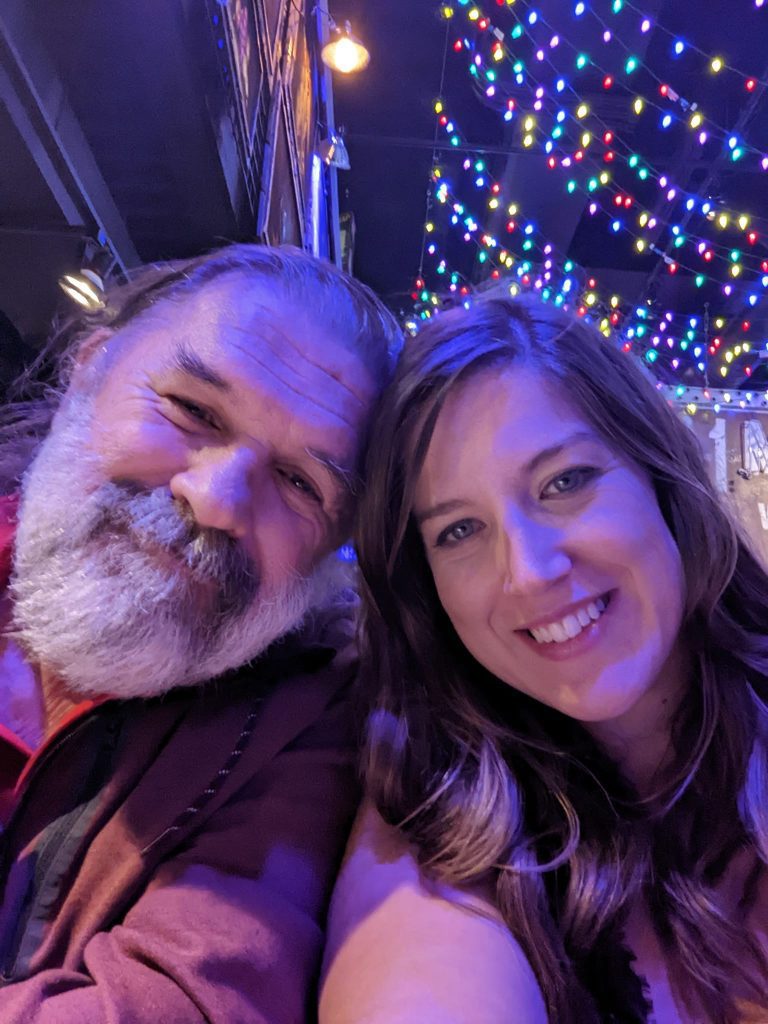
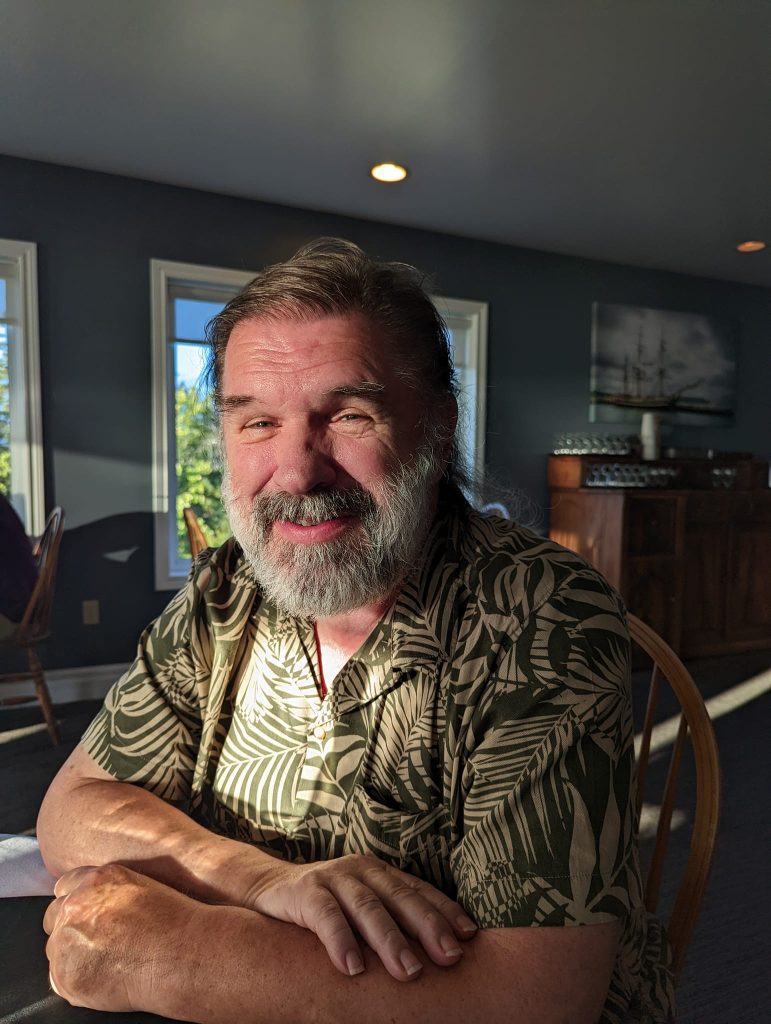
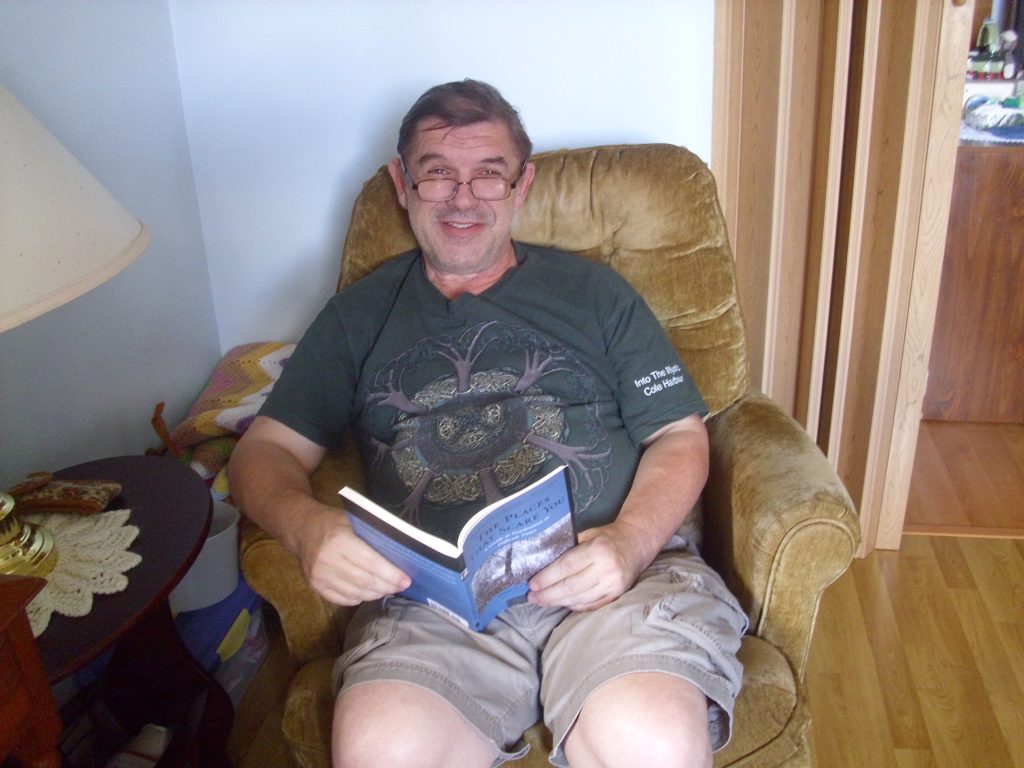
My dad passed away in February 2024 due to complications from a stroke. I wish I was able to ask him if it is okay for me to share our story. My dad, Jack, was a deeply wise and curious man. Our basement was lined with books on philosophy, spirituality and history, which I now believe he read in an effort to make sense of a world that showed him both beauty and devastation. I hope that his natural curiosity and wise nature would lead him to feel proud of my own exploration, naming and sharing of my own experience.
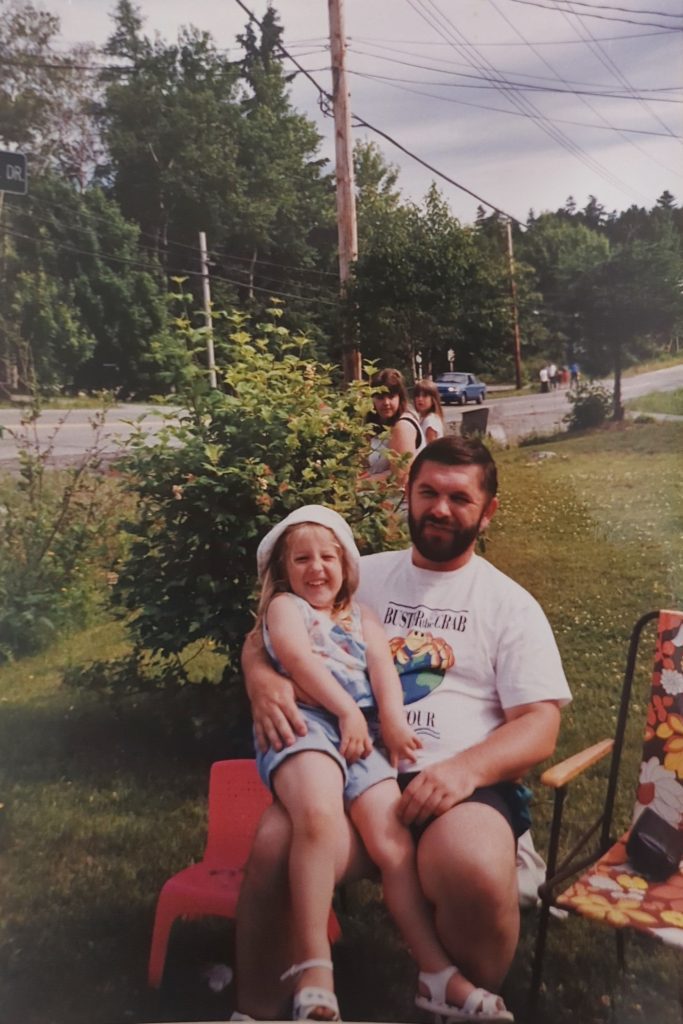
In sharing his and our Family’s struggles, I must also share his gifts. My dad was an artist and found an incredible ability to express himself through painting, sketching, photography and music. His laughter and presence was contagious. He was an incredible father who always made sure, no matter how difficult his days were, that my brother and I felt loved, that we had a giggle and always had a drive home. His legacy is one of resilience, creativity, wisdom and love.
In many ways, engaging in peer research feels like a way for me to heal and to honour his legacy. It is how I honour the invisible parts of our Family’s story. Through research and advocacy, I have found language for experiences that once felt shapeless. I have found a community where I once felt alone. At the same time, I have come to understand that research, while powerful, is not a substitute for my own healing journey. I actively participate in regular therapy with a fellow social worker who brings a strong trauma-informed lens and deep experience working with Veterans and Veteran Family members. The impact that engaging in research and advocacy has had on my personal journey is immense, but it exists alongside, not in place of, intentional healing.
Through this work I hope to not only advocate for better systems of care for Veterans and their Families — I am embracing my own military identity with greater compassion. I am learning that my military identity was not one I needed to claim loudly to have it be true. It has always been there, woven into my memories, my questions and my values. It is something I carry forward with intention, humility and a commitment to both personal healing and collective change.
— Jana Rockwell
Are you a Veteran or Family member with a story to tell? Get in touch with us and you may be featured on this blog!