Veteran Family Summit 2027
Veteran Family Summit 2027
Join us January 28 – 29, 2027 for a free, virtual event dedicated to sharing information, resources and inspiration about Veteran Family mental health and well-being.Just as Veterans can be affected by their time in service, Veteran Families can often face challenges that impact their mental health as they support and serve alongside their loved ones. The Veteran Family Summit was created in collaboration with Veteran Families and those who support them in order to provide Families with access to knowledge, resources and supports specific to their unique needs — right from the comfort of their own home.
This year, join us to explore topics such as navigating conflict as a couple during overwhelming moments, understanding compassion fatigue, hearing firsthand perspectives on moral injury and discovering hope and healing along with a community that truly understands — because they’ve lived it too.
Our keynote speakers will include:
- Laurie White, who will share her powerful journey after surviving a near-fatal shooting while serving with the Royal Canadian Mounted Police (RCMP). After losing her right leg below the knee, she made the unprecedented return to unrestricted front-line policing just ten months later using a prosthetic leg. Her story explores resilience, the power of Family support, posttraumatic growth and finding a new purpose in the face of adversity.
- Justin Woodcock, BSW, S1 (Ret’d), is a proud First Nation Veteran and social work graduate from Opaskwayak Cree Nation. Drawing on his experience in both the Canadian Army and Royal Canadian Navy, Justin will share how reconnecting with culture and continuing to serve his community became the foundation of his healing and transition. Today, he serves as the First Nations Veterans Coordinator for Southern Chiefs’ Organization’s First Nations Veterans Program, supporting the specific needs of First Nation Veterans in Manitoba. Through his story, Justin invites us to reflect on the many ways purpose can evolve beyond military service and the lasting impact of serving others.
This free two-day virtual event focuses specifically on the needs and experiences of Canadian Armed Forces (CAF) and Royal Canadian Mounted Police (RCMP) Veteran Families. In addition to serving Families, it offers a unique opportunity for service providers to learn how to best support the Veteran Family community.
The Veteran Family Summit is free to attend and features speakers from across Canada.
Learn more about our annual Veteran Family Summit — explore past events.
Agenda
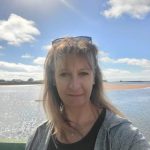
Summit host:
Laryssa Lamrock
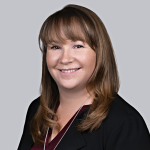
Summit host:
Polliann Maher
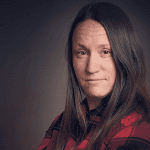
Summit emcee:
Natacha Dupuis
11 a.m. – 4:30 p.m., Eastern time
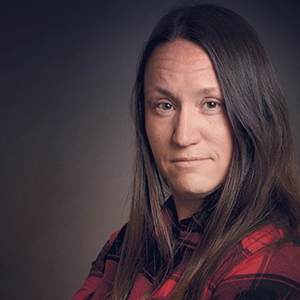
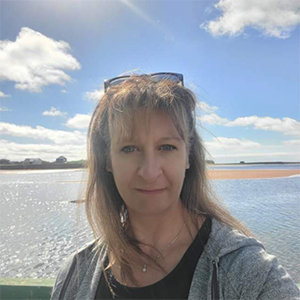 Laryssa Lamrock (Host), Family member
National Strategic Advisor, Families
Atlas Institute for Veterans and Families
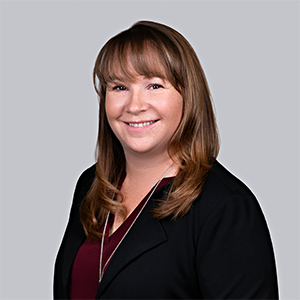 Polliann Maher (Host), Family member
Lived Expertise Lead, Families
Atlas Institute for Veterans and Families
This presentation shares the powerful story of Laurie’s journey after surviving a near-fatal shooting while serving with the Royal Canadian Mounted Police (RCMP). Facing the loss of her right leg below the knee and an uncertain future, Laurie speaks candidly about the challenges of recovery, adapting to life-changing circumstances and navigating the physical and emotional impacts of trauma.
Laurie will share about her return to full, unrestricted front-line policing with a prosthetic leg, just ten months after the shooting — an unprecedented achievement within the RCMP. Through her story, she highlights the importance of resilience, Family support, mental health awareness and finding purpose through adversity.
This presentation explores themes of post-traumatic growth, continuing to serve in new ways and the lessons Laurie has learned about courage, healing and redefining what is possible.
Families often play a central role in supporting Veterans through recovery, treatment and transition, yet they are rarely included in care in a consistent or meaningful way. This presentation will share emerging findings from an ongoing research project exploring barriers, needs and opportunities related to Family-inclusive Veteran care. Drawing on rapid reviews, stakeholder engagement and interviews with Veterans, Families and service providers, the session will discuss how healthcare systems can better recognize and support Families as partners in care. Preliminary insights and next steps toward developing a practical framework for Family-inclusive care pathways will also be shared.
Over the past several years, Dr. Skye Fitzpatrick has developed and studied treatments for couples wherein one or both members have particularly intense emotions and engage in risky, potentially dangerous behaviour (i.e.: self-harm, suicide attempts, binge eating, risky driving). She will draw on this line of research to provide information about how intense emotion and difficulties regulating it (also referred to as emotion dysregulation) affect intimate relationships and vice versa, and strategies for couples to work together to promote recovery from emotion dysregulation as a team.
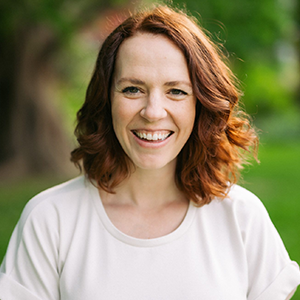 Skye Fitzpatrick
PhD, C. Psych.
Most people in the Veteran community have heard of posttraumatic stress disorder (PTSD) and operational stress injuries. But there is another, less recognized wound that many live with every day — moral injury.
Moral injury stems from the deep conflict between what a person has had to do, what they have witnessed or what they could not prevent, and what they believe is morally right. With moral injury being tied to guilt, shame, betrayal and sometimes a sense of having crossed a moral line — even when there was no real choice — people rarely talk about it. Because of this, Families who see the impact up close are often left trying to understand something their loved one cannot easily put into words.
This panel combines lived experience with subject matter experts to speak openly about these hidden wounds: what moral injury feels like, how it shapes identity and relationships and why acknowledging it is essential for healing.
Panellists:
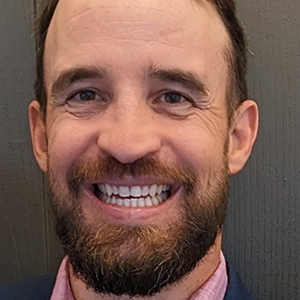 Dan Stegmeier
Corporal (Ret’d)
Moderators:
 Laryssa Lamrock (Host), Family member
National Strategic Advisor, Families
Atlas Institute for Veterans and Families
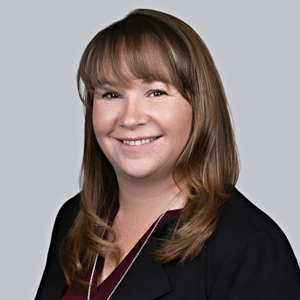 Polliann Maher (Host), Family member
Lived Experience Lead, Families
Atlas Institute for Veterans and Families
Laryssa Lamrock (Host), Family memberNational Strategic Advisor, Families
Atlas Institute for Veterans and Families
Polliann Maher (Host), Family memberLived Experience Lead, Families
Atlas Institute for Veterans and Families
Friday, January 29, 2027
11:00 a.m. – 4:30 p.m., Eastern time
Simultaneous interpretation will be available in French for all sessions.
Laryssa Lamrock (Host), Family memberNational Strategic Advisor, Families
Atlas Institute for Veterans and Families
Polliann Maher (Host), Family memberLived Experience Lead, Families
Atlas Institute for Veterans and Families
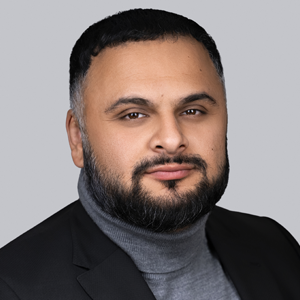 Fardous Hosseiny
President and CEO
Atlas Institute for Veterans and Families
Hanging up the uniform isn’t just a career change — it is a profound crisis of identity. When the structure and camaraderie of military life vanish, the ultimate battle shifts inward: who are you without the rank?
Drawing from his service in both the Canadian Army and Royal Canadian Navy, Justin Woodcock candidly shares his turbulent journey through transition. For Justin, the path forward wasn’t about leaving service behind, but redefining it. Anchoring himself in culture and continuing public service became his vital lifeline. Discover how to re-channel your leadership, redefine your mission and forge a powerful new chapter.
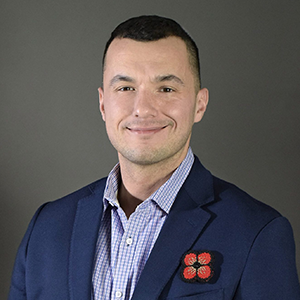 Justin Woodcock
BSW, S1 (Ret’d)
Veteran Families carry a weight that often goes unnoticed: they absorb the emotional toll of their loved one’s service and many struggle in ways they may not have words for. This session explores compassion fatigue, increasingly known as empathic strain, and how it differs from vicarious trauma. The two can look similar but call for different kinds of support.
We will discuss three common warning signs and how to identify them in your own life. Then we’ll get practical: making space for what matters most and protecting yourself without walking away from someone you love. Plain language, real-world examples, tools you can actually use.
Neurodiversity looks different for everyone and understanding those differences can help individuals, Families and communities move beyond assumptions and stereotypes.
This panel will explore neurodiversity through the perspectives of lived experience, Canadian Armed Forces and Royal Canadian Mounted Police service, Family life and professional practice. Panellists will discuss the strengths and unique qualities that can accompany neurodivergence, the importance of safety, predictability and belonging, and how Families and service providers can better recognize and respond to individual needs. Together, panellists will explore how we can create more inclusive, supportive environments where neurodivergent Veterans and their Families can feel understood, valued and able to thrive.
Panellists:
Moderators:
Laryssa Lamrock (Host), Family member
National Strategic Advisor, Families
Atlas Institute for Veterans and Families
Polliann Maher (Host), Family memberLived Experience Lead, Families
Atlas Institute for Veterans and Families
Laryssa Lamrock (Host), Family memberNational Strategic Advisor, Families
Atlas Institute for Veterans and Families
Polliann Maher (Host), Family memberLived Experience Lead, Families
Atlas Institute for Veterans and Families
NOTE: Clinical support is available throughout the summit
through the Family Information Line (1-800-866-4546).
Bios
Dr. Brenda E. Abbey
Brenda is a Cognitive Educational Consultant and Learning Specialist with over three decades of experience supporting children with diverse learning and emotional needs. She graduated from the University of Toronto with a Doctor of Education in Applied Research and Educational Cognitive Psychology, is a certified teacher and has training in Equine Facilitated Wellness. In her Calgary-based private practice, she collaborates with medical doctors and other psychologists to provide in-home learning support for neurodiverse youth and their Families. As an Applied Researcher and racing thoroughbred breeder, she integrates equine connection experiences for neurodiverse learners to foster emotional regulation, attachment and communication skills. In 2022, she joined the Can Praxis team as program content co-developer for Breaking the Cycle of Intergenerational Trauma for Veteran Families. She continues as a trauma-informed facilitator in this unique equine experiential program where all the Veteran’s Family members participate together.
Chris Banks
Chris is a Veteran of peacekeeping in Bosnia and combat in Afghanistan. He returned home from Afghanistan with posttraumatic stress disorder (PTSD) and was medically released. He is far into his healing journey, is a peer-helper for other Veterans and an advocate for better policies for Veterans. He came to accept his neurodivergence later in life, but recognizes there were challenges and benefits throughout. He is married and has a daughter who are both neurodivergent. He has a deep understanding of military culture, mental health and policy issues. His goal is to improve the conditions for those who serve, have served and their Families.
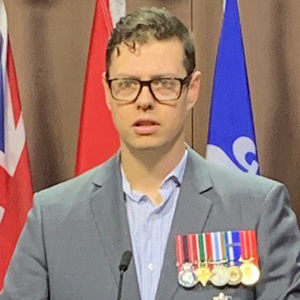
Dan Stegmeier
Dan Stegmeier is a Canadian Armed Forces Veteran who served as a Combat Engineer with the 1 Combat Engineer Regiment. His military career included a deployment to Kandahar, Afghanistan in 2008, where he was responsible for one of the most dangerous tasks in modern warfare — searching for and clearing improvised explosive devices (IEDs).
As a young soldier with just one year of service before deployment, he quickly found himself in high-pressure situations where lives depended on his ability to detect hidden threats. His work helped protect fellow soldiers and disrupted enemy operations, making it harder for insurgent forces to gain ground.
Following his release from the military, he completed three of the four years of his post-secondary degree before landing on the diminished earnings capacity designation with Veterans Affairs Canada (permanent disability).
Dan brings a grounded, first-hand perspective to conversations about resilience, experiences of military service and transition.
Diana Tikasz
Diana is an Associate at TEND Academy, a Canadian organization that provides evidence-informed education and consulting to help individuals, leaders and organizations build resilience, strengthen organizational health and navigate the impacts of trauma-exposed work.
Diana has worked in the teaching and health care sector for over 35 years specializing in trauma-focused work. Over the course of her career, she has worked as a member of emergency department crisis teams and coordinated hospital based sexual assault and domestic violence treatment programs which included assisting individuals experiencing a crisis, counselling those who have been traumatized by violence and teaching a variety of other professionals how to do this work effectively while staying healthy themselves.
For over 15 years, Diana has worked with TEND providing training and consultation on navigating trauma-exposed environments and shifting how we do the work in order to mitigate the challenges and maximize the rewards of helping others.
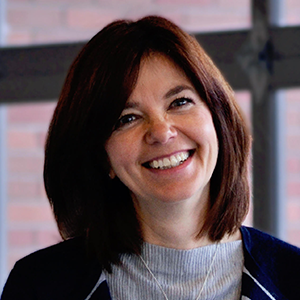
Fardous Hosseiny
Fardous Hosseiny is the President and CEO at the Atlas Institute for Veterans and Families. Before coming to Atlas, he was most recently the interim National Chief Executive Officer and the National Director of Research and Public Policy at the Canadian Mental Health Association.
Fardous hopes that Atlas embodies “serving those who have served” as we continue to work hand in hand with Veterans and their Families. His goal is for the Atlas Institute’s work, research and outreach to be imbued with the voices of Veterans and their Families, as he believes change will come through this kind of meaningful engagement.
Dr. Helena Hawryluk
Helena (she/her) is the Co-Creator and Director of the Warrior Kids Program at Wounded Warriors Canada and an Associate Clinician with over 15 years of experience supporting Canadian Armed Forces members, Veterans, Public Safety Personnel and their Families.
Helena’s work centers on developing evidence-informed programs for youth living in homes impacted by operational stress injuries. Warrior Kids — the national psychoeducational program she co-leads — equips young people with mental health literacy, coping skills and peer connection, and is recognized as a leading resilience initiative within military and public safety communities.
Helena holds a BA in Psychology from Concordia University and a BSW, MCSW and PhD from the University of Calgary. She received the Wounded Warriors Doctoral Scholarship for her research, Through Our Eyes, which highlights the lived experiences of youth in military Families affected by operational stress injuries.
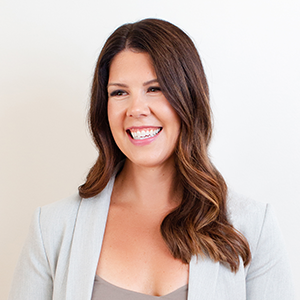
Dr. Jenny Liu
Jenny (she/her) is the Head of Scientific Development and Knowledge Mobilization at the MacDonald Franklin OSI Research Centre, an Adjunct Research Professor at Western University and a Lecturer at Toronto Metropolitan University. Her work focuses on improving mental health, resilience and transition outcomes for military members, Veterans and their Families through trauma-informed and community-engaged research. Jenny collaborates closely with stakeholders, clinicians and individuals with lived experience to translate research into meaningful supports, policy and practice.
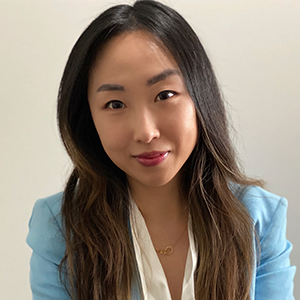
Justin Woodcock
Justin Woodcock is a proud First Nation Veteran and social work graduate from Opaskwayak Cree Nation. His service in the Canadian Armed Forces (CAF) began in 2009 and spanned nearly a decade, including service in both the Canadian Army and the Royal Canadian Navy.
As Justin’s service in the CAF came to a close in 2017, he set a new goal for himself: to become a social worker. After losing friends and fellow soldiers to posttraumatic stress related injuries, Justin was driven to support and assist fellow Veterans in combating this growing concern through his social work practice. With this goal in mind, Justin enrolled in the University of Manitoba in 2018 and graduated in 2022.
Today, he has achieved this goal and is the First Nations Veterans Coordinator for Southern Chiefs’ Organization’s First Nations Veterans Program, a new initiative established to address the specific needs of First Nation Veterans in Manitoba.
Dr. Karis Callaway
Karis (she/her) is a clinical psychologist specializing in working with Canadian Armed Forces (CAF) and Royal Canadian Mounted Police (RCMP) members and Veterans, as well as other first responder communities. She provides psychodiagnostic assessment and treatment services primarily for trauma disorders, mood and anxiety concerns and co-occurring substance misuse. She maintains a special interest in better understanding and addressing moral injury and in 2024, co-authored the book ‘The Moral Injury Spectrum: From Conflict to Healing in Individual and Cultural Contexts’. As a full-time service provider, she offers the evidence-based posttraumatic stress disorder (PTSD) treatments of prolonged exposure, written exposure therapy, cognitive processing therapy and eye-movement desensitization and reprocessing. She is also well-versed with the emerging moral injury therapies of acceptance and commitment therapy for moral injury, adaptive disclosure enhanced and trauma informed guilt reduction therapy.
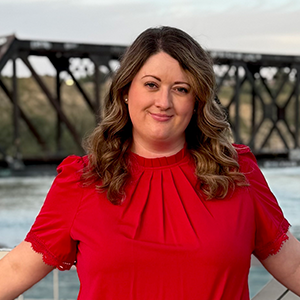
Laryssa Lamrock
Laryssa Lamrock is the National Strategic Advisor, Families at the Atlas Institute for Veterans and Families. She has a personal understanding of the many challenges facing Veteran Families as the spouse of a Canadian Armed Forces Veteran who was medically released with posttraumatic stress disorder and depression, and as a mother who supported four children impacted by the operational stress injury of their loved one. Laryssa draws from these experiences as she advocates passionately for and represents the voices of military and Veteran Family members.
Laurie White
After surviving a near-fatal shooting while serving with the Royal Canadian Mounted Police (RCMP) in Kitimat, B.C. in 1998, Laurie faced the loss of her right leg below the knee and a future forever changed. Just ten months later, she defied expectations by returning to full, unrestricted front-line policing with a prosthetic leg — an unprecedented achievement within the RCMP.
Since 2000, Laurie has inspired audiences with her raw and relatable story of resilience, mental health, chronic pain, Family and posttraumatic growth. Laurie is also the author of 10-33: An Officer Down Steps Back Up. With humour, honesty and hope, she reminds Families and Veterans alike that adversity does not define us — how we rise through it does.
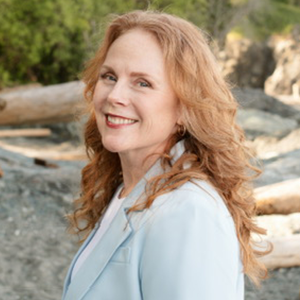
Lorraine Smith-MacDonald
Lorraine (she/her) is an Assistant Professor and Co-Chair in the Department of Psychotherapy and Spirituality at St. Stephen’s College at the University of Alberta (UofA). Lorraine completed her post-doctoral fellowship in the Faculty of Rehabilitation Medicine at the UofA in the Heroes in Mind Advocacy and Research Consortium (HiMARC) — a provincial initiative focused on the health and well-being of military members, Veterans, public safety personnel and their Families. Her area of specialization is in the intersection of spirituality and mental health with a particular focus on moral injury. Lorraine is committed to understanding the role of moral injury in the health and well-being of these populations.
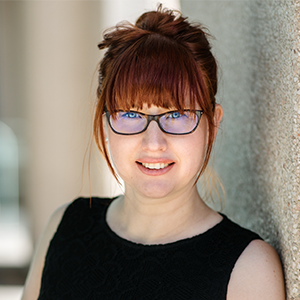
Melissa Bowker
Melissa Dawn Bowker (she/her) is a professional member of the Canadian Counselling and Psychotherapy Association (CCPA), hospital and military chaplain, and Certified spiritual care practitioner (CASC/ACSS) who specializes in navigating deep psychological and spiritual wounds. Within Traverse Holistic Counselling, she supports Veterans, military Families and individuals facing trauma, chemical dependency and profound burnout. Having personally navigated moral injury and diagnosed with posttraumatic stress disorder (PTSD) in 2024, she combines professional expertise with authentic lived experience. As a certified yoga teacher, she blends somatic practices with professional counselling to help clients process ethical conflicts and systemic betrayal. Her work offers a compassionate, holistic framework for understanding and healing from moral injury.
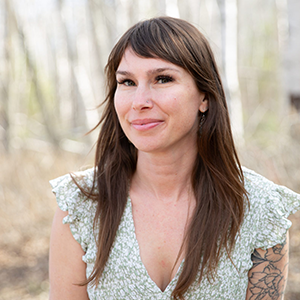
Natacha Dupuis
Natacha Dupuis is a retired Master Corporal of the Canadian Armed Forces, with more than 16 years of service. During her second tour to Afghanistan, she faced the devastating loss of comrades, leading to a diagnosis of posttraumatic stress disorder. Committed to her recovery, Natacha turned to physical fitness as a vital component of her healing journey. With the support of her loved ones and initiatives such as the Soldier On program, she regained strength and resilience through sport, rediscovering both purpose and a sense of community. Her athletic journey took centre stage at the Invictus Games. In 2016, she earned two gold medals in track and a bronze in powerlifting. The following year, she served as Co-Captain, winning three gold medals (100m, 200m, 400m) and a silver in indoor rowing. Originally from Montreal’s south side, she now resides in the National Capital Region. She advocates as a mental health ambassador through public speaking engagements. Her story is an inspiration for others to rise beyond adversity and pursue their dreams.
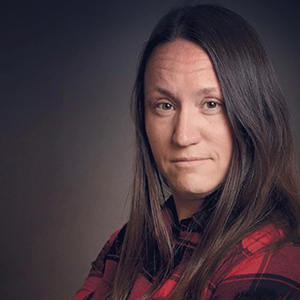
Natalie Castonguay
Natalie (she/her) is a Registered Nurse, Psychotherapist and Founder of Dimensions Centre in Kanata, Ontario. She offers a profound, three-fold perspective on the intersection of Veteran health and neurodivergence. As a full-time Royal Canadian Mounted Police (RCMP) member, she navigates her own late-diagnosed Autism and Attention Deficit Hyperactivity Disorder (AuDHD) alongside an operational stress injury (OSI) and posttraumatic stress disorder (PTSD).
Within her Family, she is the spouse of a medically retired Canadian Armed Forces Veteran — who is also late-diagnosed AuDHD — and the mother of five AuDHD children with complex health needs. Professionally, she is a specialized clinician dedicated to delivering trauma-informed, neuro-affirming care to public safety personnel, Veterans and neurodivergent individuals. Natalie is deeply committed to elevating and empowering the authentic, lived experiences of military and first responder Families — ensuring their voices are valued, respected and integrated into modern healthcare systems.
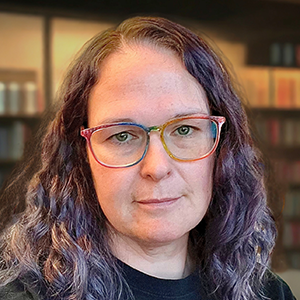
Polliann Maher
Polliann Maher is the Lived Expertise Lead, Families at the Atlas Institute for Veterans and Families. She is the surviving spouse of a Veteran with posttraumatic stress disorder and brings to her role more than 20 years of lived experience in navigating the mental health system. Polliann is passionate about educating the Veteran community and sharing her knowledge of the resources that are available to them. She is a strong advocate around changes that encompass the Family, which are many times an afterthought or forgotten.
Skye Fitzpatrick
Dr. Skye Fitzpatrick (she/her) is an Associate Professor in the Department of Psychology at McGill University and the director of the Treating and Understanding Life-threatening behaviour and Posttraumatic stress (TULiP lab). Skye is focused on demystifying, destigmatizing and broadening access to treatments for borderline personality disorder (BPD), emotion dysregulation and posttraumatic stress disorder (PTSD). There are four interrelated streams in her research; The first involves advancing understanding of the nature of BPD and its social context through experimental, ecological momentary assessment, and observational studies. The remaining three involve using clinical trial methodologies to develop and test Sage – a brief, conjoint intervention for people with BPD and their significant others; scalable interventions for PTSD; and interventions for comorbid BPD and PTSD. Skye has published approximately 100 peer-reviewed manuscripts and book chapters and has been awarded over $9.5 million CAD in grant and scholarship funding, to these ends.