- 2026-06-01
- Campaign
Brain Injury Awareness Month 2026: A time to understand brain injury

A traumatic brain injury (TBI) happens when the brain is injured after a sudden impact, jolt, bump or blow to the head or body. This can include concussions, blast exposures, falls, vehicle accents and injuries from repeated impacts over time.
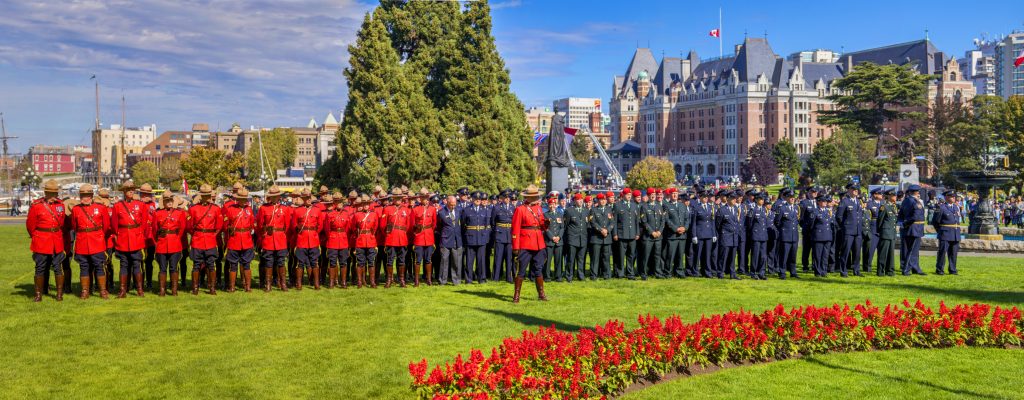
For members of the Canadian Armed Forces (CAF) and Royal Canadian Mounted Police (RCMP), these risks can be a regular part of their job. Training exercises, operational environments and cumulative exposure to physical and psychological stress can all increase the likelihood of sustaining a brain injury — sometimes without being immediately recognized.
“…I was being treated for posttraumatic stress. Nobody looked at any of my head injury.”
— Ryan Carey, CAF Veteran and former CFL player
Mind Beyond the Mission episode 8: Traumatic brain injury
Brain injuries don’t always look the way people expect them to and they are often missed. Symptoms can include headaches, memory problems, difficulty concentrating, mood changes, sleep issues and more. Many of these symptoms overlap with posttraumatic stress disorder (PTSD), which can make it harder to identify what’s really going on.
For some, it’s not one or the other — it can be both.
A brain injury doesn’t just affect the person who is experiencing it. It can reshape daily life for Families, changing routines and relationships in ways that are often frustrating without the right support. From listening to the lived experiences of Veterans and Families, it’s clear that understanding what is happening is a critical step toward support and recovery. Having access to clear, trusted information can make it easier to recognize the signs, ask questions and advocate for care.
Whether you’re living with a brain injury, supporting someone who is, or trying to better understand TBI, support and resources are available. Check out some of our resources on TBI, with information and practical advice on how Veterans, Families and health care providers can effectively manage and support recovery.
Related information
- Mind Beyond the Mission: Episode 7 — Traumatic brain injury — with Dr. Lyn Turkstra: With more than 30 years of experience in TBI, Lyn lends her expertise and talks about the symptoms to look for, how these symptoms can overlap with those of PTSD, how TBIs can impact women differently, and the gaps in what we know about TBIs.
- Mind Beyond the Mission: Episode 8 — Traumatic brain injury — with Veteran and former CFL player Ryan Carey: Listen to Ryan’s unique experience of living with a TBI, how his symptoms were mistaken for PTSD, and practical advice for Veterans living with a TBI.
- Brain Injury Canada: Explore a resource hub for those with brain injuries, Family members and health care professionals.
- Concussion Legacy Foundation: Resources for Veterans and Families affected by chronic traumatic encephalopathy (CTE) and concussions.
- Additional resources: A list of TBI resources for Veterans and Veteran Families, including support services and information for health care providers.
June is also designated as PTSD Awareness Month, offering a unique opportunity to develop a deeper understanding about PTSD and its potential overlaps with symptoms of brain injuries. Learn more.
You may also like...