- 2026-06-01
- Campaign
PTSD Awareness Month 2026: Sharing stories matters
Posttraumatic stress disorder (PTSD) is a mental health condition that can develop after experiencing, witnessing or learning about a traumatic event. It may stem from a single incident or repeated exposure to trauma and is diagnosed by a licensed medical professional based on specific signs, symptoms and behaviours.
Beyond definitions and diagnoses, PTSD is deeply human.
No two people experience trauma the same way, even when they’ve lived through the same event. The thoughts, emotions and reactions that follow are not a sign of weakness. They are natural responses to overwhelming stress.
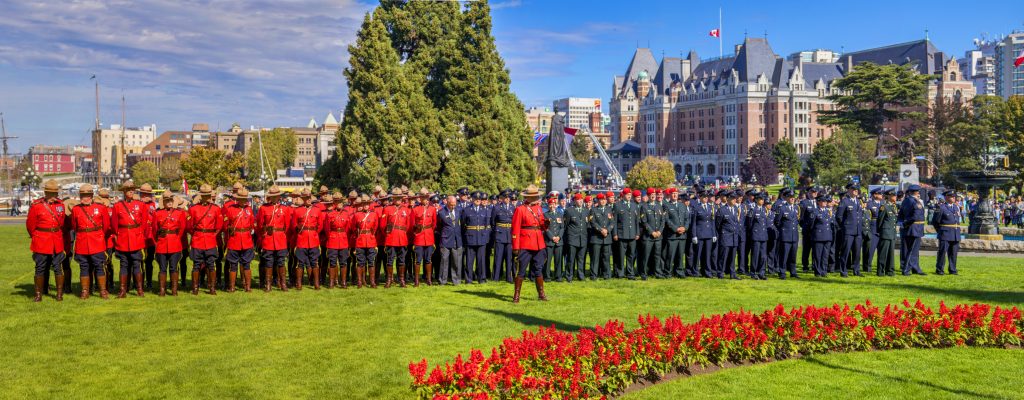
For members of the Canadian Armed Forces (CAF) and Royal Canadian Mounted Police (RCMP), exposure to trauma can be part of the job. Over time, repeated exposure can increase the risk of developing PTSD. Its effects often reaching beyond the individual, shaping the lives of Families, partners and support networks as well.
You can’t sugar-coat trauma
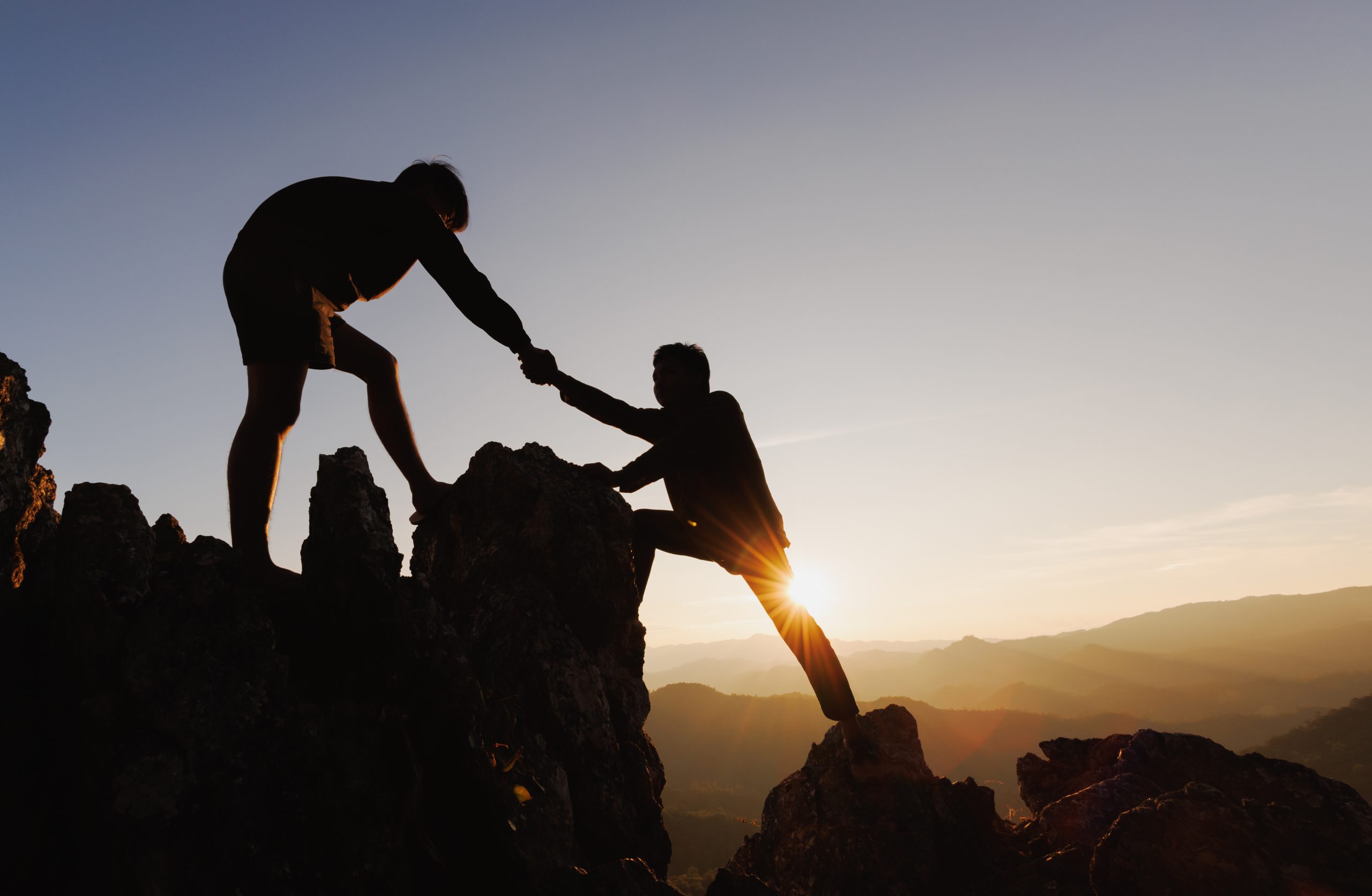
It can be complex, disruptive and lonely at times, but isolation doesn’t have to be part of the journey. From listening to both Veteran and Family experiences, one thing is clear: healing is more possible when people feel seen, heard and supported.
Family members and close friends are often the first to recognize signs of PTSD. Changes in mood, behaviour, sleep or connection may become noticeable to loved ones before recognizing them in yourself. Compassion, open communication and regular check-ins can play an important role in helping someone feel understood, supported and connected to care.
If you are currently seeking help, continuing that work matters, even when it feels difficult. Recovery is not linear and it often asks a lot of you. But with time, effort and support, progress is possible.
If you’re in a place where you can offer support to those who may need it, your voice matters. Reaching out, sharing understanding or simply listening can make a meaningful difference to someone who is struggling. These actions help challenge stigma and remind others they aren’t alone.
Why sharing stories matters
When people are silent about PTSD, it can reinforce the feeling of isolation — that no one else understands. By sharing real experiences, we can create space for connection, understanding and hope. Check out some of the ways the Veteran and Family community are sharing their stories:
- What they see: A collection of real-life stories, videos and audio clips from CAF Veterans, former serving RCMP members and their Families. Their stories contain details of deployments, PTSD, substance use, suicide, military sexual trauma and other difficult situations. Please take good care as you explore these stories and check out our additional resources.
- Stories from Veterans and Families: Digital stories created by Veterans and Family members from across Canada. Told in their own words, they share a thread of recovery and resilience. In bringing these stories to life, the hope is to support others on their own journeys.
- Mind Beyond the Mission podcast: Dive deep into the real issues experienced by Veterans, former RCMP members and Families living with mental health injuries. Mind Beyond the Mission is a podcast focused on having authentic conversations that are gritty, honest and informative.
- Perspectives blog: Explore raw, first-hand accounts of topics that are important to Veterans and Families, including navigating trauma, growing up in a military Family, transition to post-service life and more.
Additional resources
Learning more about PTSD and its symptoms can be an important first step in navigating its impacts. Explore these resources offering information and strategies to help manage the effects of PTSD on your life and the lives of those you care about:
- PTSD and some treatment options: Overview of PTSD, including causes, symptoms, how it’s diagnosed and information on therapies and treatments.
- Parenting with posttraumatic stress injury: Two practical guides co-created with Veteran Family members to help parents talk about posttraumatic stress injury (PTSI) with their children.
- Public safety personnel and posttraumatic stress injuries: Educational resources and videos providing coping tips and strategies for people living with PTSI, including information on peer support and the impacts on Families, as well as real stories from PSP.
- Mind Beyond the Mission: Episode 10 – Posttraumatic growth — with RCMP Veteran Jason Anderson: Listen to our conversation about how traumatic experiences can sometimes spark posttraumatic growth that can foster openness, strength and compassion.
- MindKit: A mental health education hub for young Family members of Canadian Veterans living with a PTSI, including hands-on tools, comics, videos and more.
- Resources for Families and friends: Overview of the effects of PTSD on the Family, including coping strategies and resources.
- Resources for children of Veterans: Information and resources for children with a Family member experiencing PTSD and coping tips for children dealing with secondary trauma stress.
Did you know? June is also designated as Brain Injury Awareness Month, offering a unique opportunity to develop a deeper understanding about traumatic brain injuries and how it can overlap with PTSD. Learn more.
You may also like...