- 2026-07-27
- Media release
New report and resources highlight unique experiences and needs of RCMP Veterans and Families
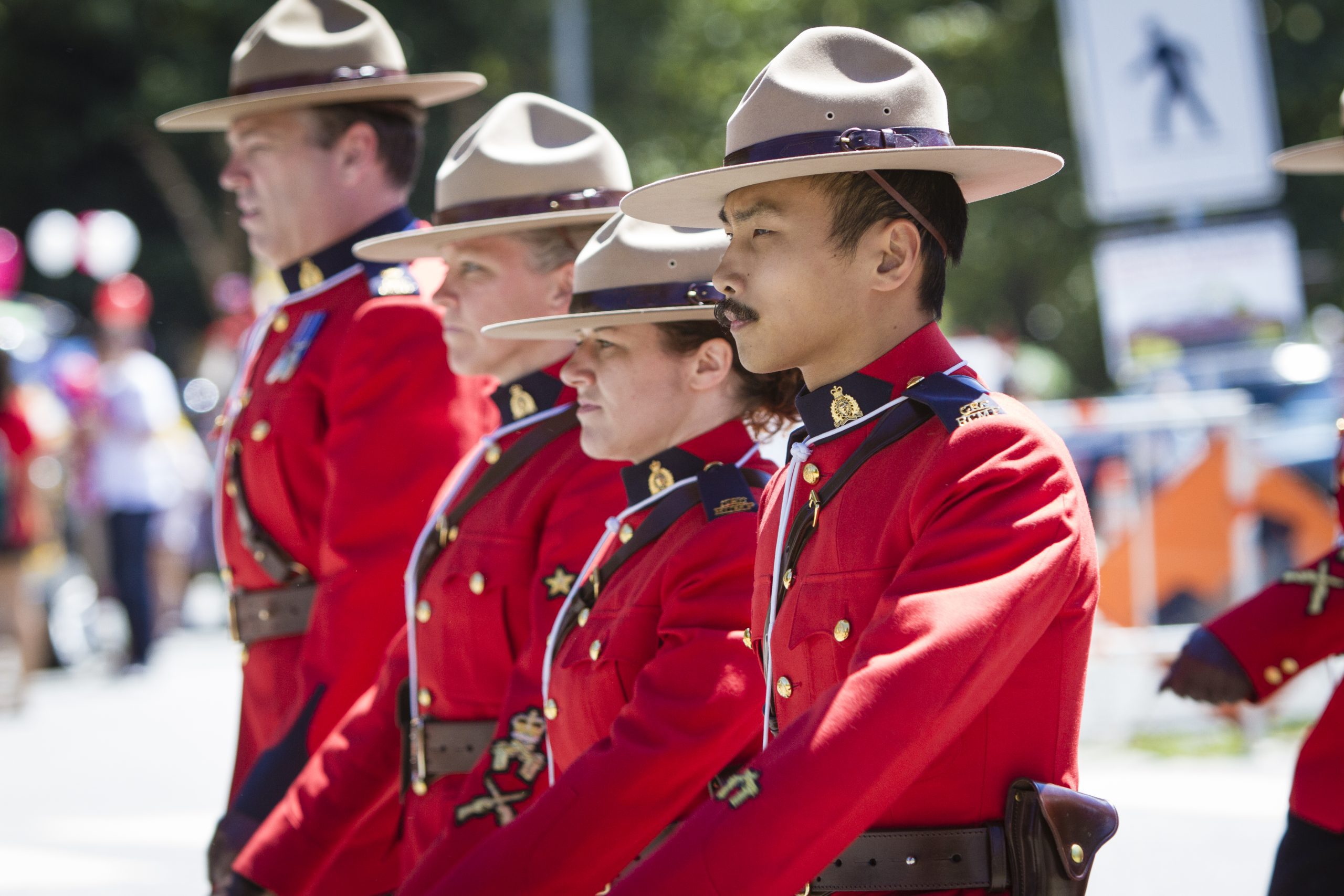
OTTAWA, ON – July 27, 2026 – Critical insights from a cross-Canadian conversation with former-serving Royal Canadian Mounted Police (RCMP) members and their Families suggest that the uniqueness of their working conditions puts members of our national police force at a particularly high risk for mental health injuries within a culture that has not traditionally been open to sharing about this vulnerability.
To learn more about the unique experiences of the RCMP community, the Atlas Institute for Veterans and Families hosted a national RCMP Veteran Dialogue Series (held over a six-month period in 2025 – 2026) to hear experiences directly from the community. They simultaneously worked to fill an identified gap through the creation of two guides on Operational Stress Injuries (OSIs) made for and in collaboration with RCMP Veterans and Family members which are now available to RCMP Veterans, their Family members, and organizations, policy makers, researchers and service providers who work with them.
Eight broad themes emerged across the dialogue sessions and are profiled in the report which also highlighted the experiences of Francophone and women Veterans as well as the Family. Although drawn from a relatively small and self-selected group of contributors, these themes, such as occupational culture, administrative complexity, the need for peer connection and belonging, the transition out of service and access to care and impact on the family member were raised consistently across sessions, geographies, and participant groups, underscoring their relevance and resonance within the community, offering important early insight into shared challenges and priorities.
“There is healing in hearing ‘Me too,’ and strength in realizing you do not have to carry your story alone. My hope is that these resources help RCMP Veterans feel less alone and more supported as they move into life after service, with space for healing, growth and a renewed sense of purpose.”
— Sarah Lefurgey, Retired RCMP Corporal
At the core of the Atlas Institute’s approach is the recognition that lived experience constitutes a distinct form of expertise. Insights and partnership with individuals with lived experience are fundamental to shaping Atlas’s priorities, informing decisions and co-developing solutions. Retired RCMP Corporal Sarah Lefurgey, who was involved in both the co-creation of the guides and in co-facilitating a dialogue session for women RCMP Veterans, shared that the experience was a powerful reminder of what becomes possible when Veterans are given space to connect, reflect and be heard. “There is healing in hearing ‘Me too,’ and strength in realizing you do not have to carry your story alone. My hope is that these resources help RCMP Veterans feel less alone and more supported as they move into life after service, with space for healing, growth and a renewed sense of purpose.”
“I am grateful that my husband was able to get support, but nobody ever stopped to ask about me and the kids and to offer us support. If one person in the Family has PTSD, we all feel the effects. It’s important for Families to be heard and to have access to resources to help them on their own journey.”
— Tanis Giczi, RCMP Veteran spouse
Tanis Giczi, an RCMP Veteran spouse, as well as a member of the resource advisory group and co-facilitator of a dialogue session for RCMP Families, highlighted the importance of understanding and considering the impacts of RCMP service and culture on Family members and emphasized the need for supports in their own right. “I am grateful that my husband was able to get support, but nobody ever stopped to ask about me and the kids and to offer us support. If one person in the Family has PTSD, we all feel the effects. It’s important for Families to be heard and to have access to resources to help them on their own journey.”
MaryAnn Notarianni, Deputy CEO and Executive Vice-President, Knowledge Mobilization at the Atlas Institute, said that individuals from the RCMP community have been highlighting the uniqueness of their experiences for a long time. “As a national policing body, RCMP members are often located in rural and remote locations with limited access to support both in regular operations and during times of crisis. Living in the same communities where they work can be isolating, particularly when it comes to the need for mental health support. Obviously there are diverse experiences across the community, and yet we heard a commonness of themes which are reflected in the report and offer insights into not only the concerns, but potential ways the community could be better supported through coordinated action across sectors.”.
“As a national policing body, RCMP members are often located in rural and remote locations with limited access to support both in regular operations and during times of crisis. Living in the same communities where they work can be isolating, particularly when it comes to the need for mental health support. Obviously there are diverse experiences across the community, and yet we heard a commonness of themes which are reflected in the report and offer insights into not only the concerns, but potential ways the community could be better supported through coordinated action across sectors.”
— MaryAnn Notarianni, Deputy CEO and Executive Vice-President, Knowledge Mobilization at the Atlas Institute
The full report is available for download at atlasveterans.ca/rcmp-dialogues-report. The companion resources also being released include a guide on OSIs for RCMP Veterans, as well as a guide for Family members. They are the first of a larger suite of resources that is being developed in accordance with needs highlighted by the RCMP community. The resources are available for download at atlasveterans.ca/rcmp-guides.