
Welcome to Research Compass, the Atlas Institute’s newsletter highlighting new developments in Veteran and Family well-being and mental health research. In each issue, you’ll find updates on studies in which you can participate, opportunities to get involved as a research advisor, and links to our latest publications.
Research spotlight

Research training program: Returning fall 2026
The Atlas Institute’s Research Training Program for Veterans and Families will be returning this fall for a third consecutive year! This practical and accessible course is designed to build knowledge, skills and comfort with the research process alongside and for people with lived experience. Since launching in 2024, the course has trained more than 20 Veterans and Veteran Family members to build their research knowledge, skills and confidence. Registration for the next session will launch in the coming weeks. Follow Atlas on social media, or subscribe to the Atlas mailing list to receive updates straight to your inbox.
New research published
How do the experiences that shape our identities also shape the brain, mental health and our sense of self?
The Clinical Research team, led by Dr. Andrew Nicholson, Vice-President of Research at Atlas, in collaboration with other leading researchers from Canada and internationally, recently published an article that advances our understanding of how minority stress shapes identity, mental health and the brain. The article, titled “Violence on the self: Exploring the intersection of trauma and identity among sexual and gender minorities from a neurobiological and developmental perspective to advance our understanding of posttraumatic stress disorder (PTSD), moral injury, and dissociation symptoms” was published in Neuroscience & Biobehavioral Reviews. Building on a growing body of research, this paper introduces a new framework that may help researchers and clinicians better understand the lasting effects of identity-based discrimination and develop more effective, affirming approaches to care.
Many sexual and gender minority (SGM) individuals experience discrimination, stigma and pressure to conceal themselves, which can occur not only as isolated events, but repeatedly over a lifetime. This research proposes a new way of understanding that chronic identity-based stress should be considered alongside existing trauma frameworks to better understand the lived experiences of SGM individuals and the development of trauma-related symptoms.
To support this perspective, the authors introduce the Minority Stress Multi-Level Self Model (MS-MSM). The model describes how minority stress may influence three interconnected dimensions of self-experience: our embodied experience (how we experience ourselves physically and emotionally), our relational self (how we experience ourselves in relationships), and our narrative self (the personal story and meaning we make of our lives). This review proposes that when chronic identity-based stress overwhelms the processes that normally integrate these dimensions, it may contribute to trauma-related difficulties such as moral injury, dissociation, altered self-referential processing and other mental health challenges.
While this review focuses specifically on sexual and gender minority populations, its broader ideas about identity, trauma, moral-injury and the organization of the self have important implications beyond this specific population. As the research team continues its work with LGBT Purge survivors and other Veteran populations, frameworks such as the MS-MSM will help guide future investigations into how identity-based adversity contributes to mental health, PTSD and recovery. This work will provide an important foundation to inform future research on other forms of identity-based trauma experienced by Veterans and other marginalized communities, and lead to the development of more inclusive, evidence-informed approaches to treatment.

New research published
What if we could better understand not only whether a treatment works for PTSD, but when meaningful improvements begin to emerge?
A new article by Atlas researchers and collaborating institutions, titled “Longitudinal mapping of a randomized controlled trial of EEG neurofeedback in PTSD: Early symptom stabilization and implications for adjunctive therapeutic potential”, takes an important step toward answering that question. Published in Psychiatry Research: Neuroimaging, the study followed individuals with PTSD as they participated in a randomized controlled trial of neurofeedback, mapping changes in symptoms over the course of treatment to better understand how recovery unfolds.
Electroencephalography (EEG) neurofeedback is a non-invasive intervention that provides individuals with real-time feedback about their brain activity, helping them to learn to activate and balance patterns associated with self-regulation. While previous research has shown promising results, less has been known about when improvements occur and the brain mechanisms that may contribute to those changes.
The researchers found that participants receiving active neurofeedback experienced earlier and greater reductions in PTSD symptoms than those receiving sham treatment. Symptom improvements emerged in the first half of the 20-week intervention, with the benefits stabilizing by approximately week 11. The study also identified changes in brain activity that were associated with better clinical outcomes, providing new insight into how neurofeedback may help support recovery.
For Veterans, Families and others living with PTSD, these findings contribute to a growing body of research exploring innovative approaches to care. By better understanding how neurofeedback influences both the brain and symptoms over time, researchers are working toward more personalized approaches that could complement established evidence-based therapies.

Research funding proposal submissions demonstrate dedication to Veteran and Family mental health research
Atlas launched research funding opportunities in fall 2025 and was pleased to receive a wealth of compelling and high-calibre submissions for the 2026-27 research request for proposal cycle. This year’s proposals showcased a deep commitment to advancing knowledge in key areas critical to the well-being of CAF and RCMP Veterans and their Families. The submissions focused on three topics: caregiving, intimacy and relational health in Veteran Families, Veteran resilience after service and rebuilding identity, and occupational moral injury implications post-service for RCMP members. This year, we collaborated with Mental Health Research Canada on the Veteran resilience after service and rebuilding identity project.
The strength and depth of these proposals highlight the growing dedication within the research community to exploring the unique challenges faced by Veterans and their support networks. After a rigorous review process, which includes an external scientific review committee, we are pleased to announce the projects that have been selected to receive funding.
Investigating remission and maintenance in patients with mental health disorders post ketamine-assisted therapy: A qualitative study
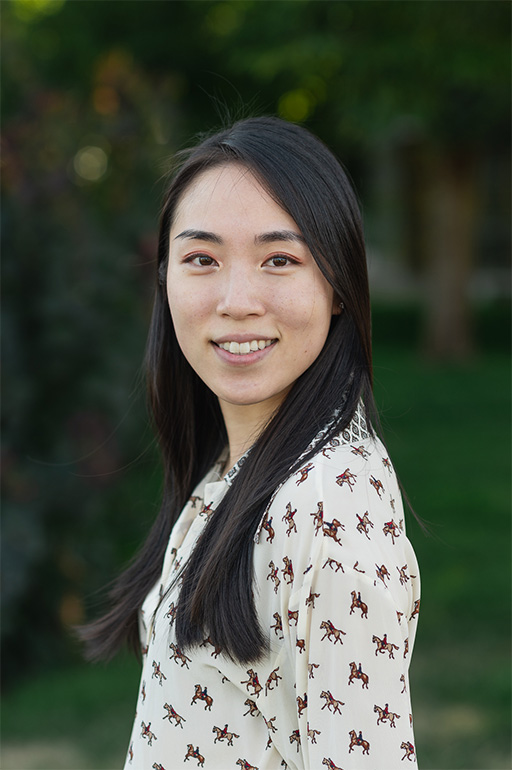
Dr. Vivian WL Tsang
Dr. Vivian WL Tsang is a physician specializing in the field of psychiatry and addiction medicine at the University of British Columbia with advanced training from Harvard and Oxford, and leadership experience in psychedelic-assisted therapy and community-based mental health initiatives. She brings expertise in qualitative research, clinical care and knowledge mobilization. This qualitative study examines how Veterans sustain remission and maintain mental health improvements after completing ketamine-assisted therapy. It explores current post-treatment practices, differences between short- and long-term outcomes, and how patients integrate therapeutic gains into daily life. Through interviews with participants, the study aims to identify effective, practical strategies to support long-term recovery and inform clinical care and policy.
An exploration of intimacy and relational well-being in spousal caregivers of CAF and RCMP Veterans
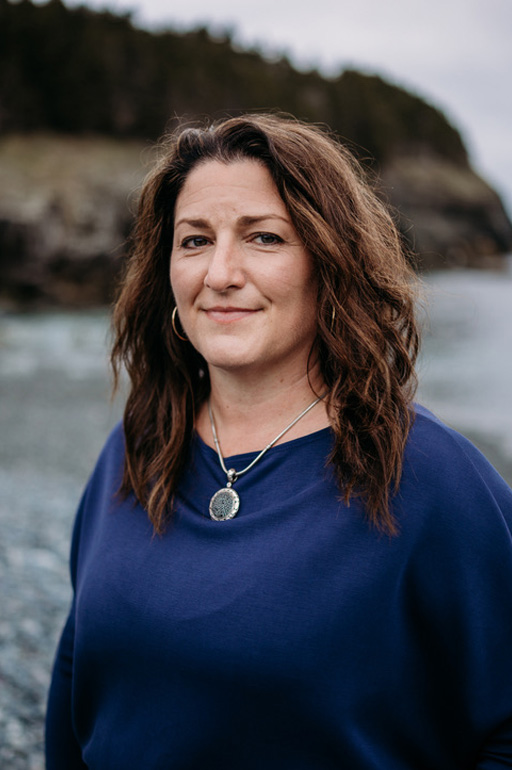
Dr. Heidi Cramm
Dr. Heidi Cramm is a Professor at Queen’s University and a leading researcher on military and Veteran Family wellbeing, with extensive work on caregiving, PTSD, and Family resilience. She brings deep expertise in Family-focused, community-engaged research and knowledge mobilization. This qualitative study explores how spousal caregiving for CAF and RCMP Veterans shapes intimacy and relational wellbeing. Through in-depth interviews, it examines emotional, relational and physical intimacy, how caregiving roles influence identity and relationships, and how these dynamics change over time. The findings aim to inform more effective couple- and family-centred supports to strengthen relationships and caregiving sustainability in Veteran Families.
Post-service life: Impacts of moral injury and institutional betrayal on the mental health and well-being of Royal Canadian Mounted Police Veterans
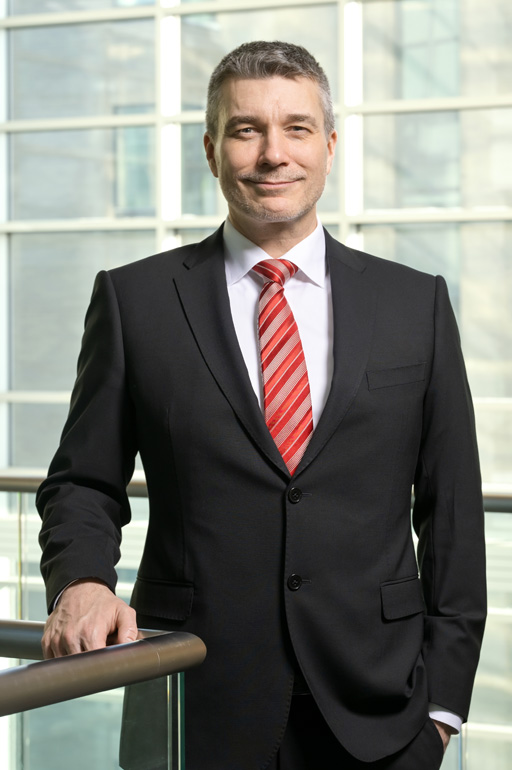
Dr. R. Nicholas Carleton
Dr. R. Nicholas Carleton is a Professor of Psychology at the University of Regina and a leading researcher in public safety personnel mental health, with extensive work on trauma, PTSD and resilience in RCMP and other populations. He brings large-scale survey expertise and a strong track record in translating evidence into policy and practice. This study examines the mental health and wellbeing of former and retired RCMP members, with a focus on moral injury and institutional betrayal. Using a large national survey, it analyzes how traumatic exposures, organizational factors and access to care shape mental health outcomes and post-service experiences. The findings aim to identify gaps in supports and inform targeted interventions, policy responses and improved transition supports for RCMP Veterans.

Suicide prevention among defence and public safety Families: a deliberate dialogue on Families, commemoration and care
On May 4, 2026, Atlas, in collaboration with Garnet Families, hosted a roundtable in Ottawa, ON to address the topic of suicide prevention among defence and public safety members and their Families. This was achieved through facilitating meaningful dialogue that highlights significant challenges, promising strategies and policies in mental health support for suicide prevention through a family-centered lens. Attendees included service providers, researchers, service members and their Families with lived experience surrounding suicidality. Findings from the roundtable were synthesized into a summary report that collectively provides insight into the current challenges and strengths of suicide prevention within the defence and public safety community through a family-centric lens. These findings will inform future research, community and organizational supports, and policy development to improve suicide prevention within these communities.

Research in action
Featured Atlas research presentation
2026 Canadian Psychological Association conference
Dr. Andre Lauzon, Senior Research Associate at Atlas, presented preliminary findings from the “Thriving after service” study at the 2026 Canadian Psychological Association (CPA) conference in Montreal, QC. The presentation examined whether post-service camaraderie, including peer connection and shared understanding among Veterans, is associated with mental well-being across age groups.
Drawing on data from 156 Canadian Armed Forces Veterans, the study measured flourishing alongside participants’ levels of post-service camaraderie. Veterans reporting strong camaraderie had consistently high levels of flourishing, regardless of age. In contrast, younger Veterans with lower levels of camaraderie reported the lowest levels of flourishing in the sample. Among Veterans with lower camaraderie, flourishing increased with age, reflecting the “aging paradox” often observed in mental well-being research.
These preliminary findings suggest that post-service camaraderie may be particularly important for supporting Veterans’ well-being, particularly during the transition to post-service life and among younger Veterans. The results highlight the potential value of prioritizing Veteran-to-Veteran connection and peer support soon after release. Further research will examine how these relationships change over time and whether camaraderie operates differently across diverse Veteran populations.
Featured Atlas research presentation
Veterans’ Mental Health Conference
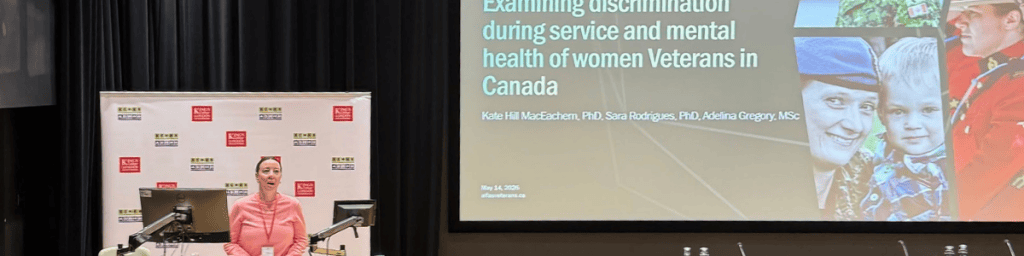
We were also proud to take part in this year’s Veterans’ Mental Health Conference, organized by the King’s Centre for Military Health Research, in London, England. Dr. Kate MacEachern, Senior Research Associate at Atlas, presented “Examining discrimination during service and mental health of women Veterans of the Canadian Armed Forces and Royal Canadian Mounted Police.” Drawing on a recent survey of women Veterans, the presentation explored how different forms of discrimination experienced during service can contribute to anxiety, depression and PTSD among women Veterans — an issue that has received little research attention in Canada. Dr. MacEachern highlighted how different experiences with discrimination can relate to different mental health symptomology. This work helps bring greater visibility to the experiences of women Veterans and the importance of creating safer, more responsive support systems.
Featured Atlas research presentation
Inaugural Khodadad Endowed Lecture
Dr. Andrew Nicholson, Vice-President, Research at Atlas was invited to speak at the inaugural Khodadad Endowed Lecture at the Emory University School of Medicine in Atlanta, Georgia, where he delivered a presentation titled “The neurobiology of stress, trauma and moral injury: Pathways for improving treatment outcomes.” The lecture explored how stress, trauma and morally injurious experiences can affect the brain and contribute to the development and persistence of PTSD. Drawing on advances in neuroscience, Dr. Nicholson highlighted how brain imaging technologies are helping researchers better understand the biological pathways involved in trauma and recovery.
A central focus of the presentation was on the importance of moving toward personalized mental health care. By identifying the brain networks associated with different types of trauma and treatment response, researchers can better understand why some interventions are more effective for certain individuals than others. This knowledge has the potential to guide the development of more targeted, evidence-based therapies that address the unique needs of diverse patient populations.
The presentation also emphasized the significance of this work for military members, Veterans, and their Families, who often experience complex and cumulative forms of trauma, including moral injury. By advancing our understanding of the neurobiology of these experiences, this research aims to improve treatment outcomes, support long-term recovery, and enhance the quality of mental health care available to those who have served.
Featured Atlas research presentation
University of Ottawa’s Interdisciplinary Conference, Brain Health Research Day at The Royal Ottawa Mental Health Centre
Dr. Andrew Nicholson was invited to deliver keynote presentations at the University of Ottawa’s Interdisciplinary Conference in Psychology titled “The neurobiology of stress and trauma: Leveraging brain imaging technology to improve mental health outcomes”, as well as at Brain Health Research Day at The Royal Ottawa Mental Health Centre. These presentations explored how advances in functional magnetic resonance imaging (fMRI) are improving our understanding of the brain mechanisms that underlie stress, trauma and recovery, with a particular focus on PTSD.
He highlighted how real-time fMRI neurofeedback can provide individuals with immediate feedback about their brain activity while they practice self-regulation strategies. This approach helps researchers better identify the brain changes associated with symptom improvement. By uncovering the neural mechanisms that support recovery, this work aims to inform the development of more precise and effective treatments for PTSD and other trauma-related conditions.
A better understanding of how the brain responds to treatment can support the development of personalized interventions that improve emotional regulation, reduce PTSD symptoms and enhance long-term recovery. Ultimately, this research hopes to contribute to more effective, evidence-informed care that helps Veterans achieve better mental health outcomes and improve their overall quality of life.

Atlas research at CIMVHR Forum 2026
Each year, Atlas research teams look forward to attending CIMVHR Forum to share information and raise awareness about current studies in the Veteran and Family mental health and well-being space. The 2026 Forum is taking place in Halifax, NS, from October 19 to 21. This year, the Atlas research teams will be presenting on various topics, including:
- The effect of health system responsiveness on Canadian Veterans
- The transition experiences of CAF women Veterans
- Neuroimaging in moral injury research
- The effects of EEG-neurofeedback on insular connectivity in individuals with PTSD
- EEG-neurofeedback
- The association between occupational stressors and moral injury in CAF and RCMP women Veterans
We look forward to engaging with researchers, clinicians, policy leaders and members of the military and Veteran community to share these findings that support improved mental health and well-being for Veterans and their Families.
Get involved in research

Recruiting studies
Interested in participating in research? Research participation helps expand our understanding of Veteran and Family mental health and well-being and can support the improvement of treatments, programs and services. The Atlas Institute leads and supports research projects – new opportunities to participate open up regularly. Check out a few of the studies currently looking for participants.
Led by Atlas
- Women’s well-being in post-service life (Note: currently only recruiting women currently transitioning from the Canadian Armed Forces)
- Thriving after service (Note: currently only recruiting former uniformed Royal Canadian Mounted Police members)
To find out if you’re eligible to participate, please visit: atlasveterans.ca/get-involved
Supported by Atlas
Other ways to get involved
The Atlas Institute recognizes the importance of including different experiences and perspectives in our various projects. We believe the voices of our lived experience community are vitally important to the work we do and invite you to participate in our projects, including research projects, through surveys, panels, webinars, town hall events and more.
Latest publications

Note: bolded names indicate Atlas Institute researchers and staff.
Sexual and Reproductive Health Recommendations for Women and Nonbinary Young Adults With Early Psychosis: A Qualitative Study
2026-07-08
Hannah Kearney, Juveria Zaheer, Zakia Hussain, Julia France, Ananka Rodriguez, Shakked Lubotzky-Gete, Suze Berkhout, Robert Dmytryshyn, Sheila Dunn, Renu Gupta, Fardous Hosseiny, Frank Sirotich, Sophie Soklaridis, Aristotle N. Voineskos, Simone N. Vigod, and Lucy C. Barker
Psychiatric services
Read the paper
Violence on the self: Exploring the intersection of trauma and identity among sexual and gender minorities from a neurobiological and developmental perspective to advance our understanding of PTSD, moral injury, and dissociation symptoms
2026-07-01
Andrew A. Nicholson, Magdalena Siegel, Ally H. Villeneuve, Lorenzo Lucherini Angeletti, Negar Fani, Taylor Hatchard, Georg Northoff, Ruth A. Lanius, Mina Pichtikova, Niki Hosseini-Kamkar, Kristen L. Eckstrand
Neuroscience & Biobehavioral Reviews
Read the paper
Beyond the uniform: An international call for a mental healthframework that addresses the needs of military and Veteranfamilies during transition
2026-06-24
Ashlee Mulligan, Laryssa Lamrock, Fardous Hosseiny, Jason Alves, Marie Manteuffel, Joris Haagen, Anthony Nazarov, Matt Fossey and MaryAnn Notarianni
Journal of Military, Veteran and Family Health
Read the paper
