- 2026-11-11
- Campaign
Remembrance Day: Honouring service and sacrifice
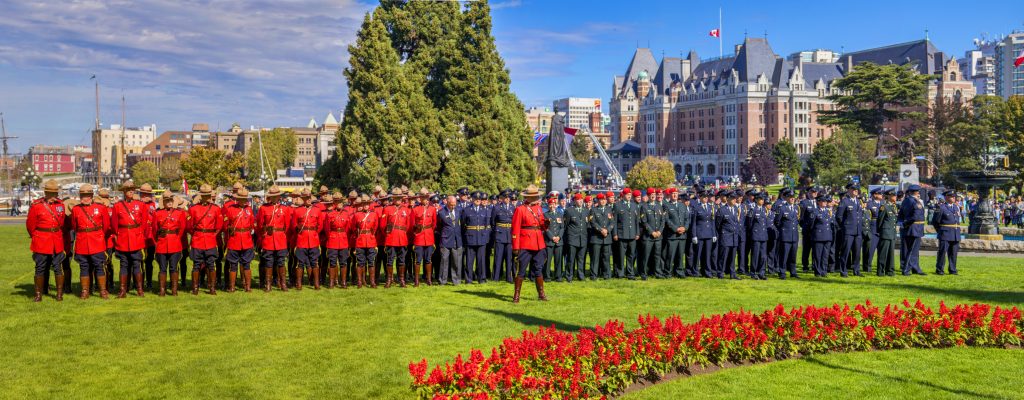
On November 11, as a nation we collectively pause to remember those who served our country and in so doing made the ultimate sacrifice.
We understand the profound implications of the loss of one’s life in service of their country. We appropriately honour this sacrifice with a special day of reflection, gratitude, and remembrance, rooted in the recognition that the freedoms and opportunities we enjoy today have come at an extraordinary cost.
Our gratitude must be understood as more than a tradition. It is a responsibility we inherit and one we must consciously carry forward.
It is an understanding which has evolved since the original Armistice Day marking the ceasefire that ended the fighting of the First World War to today’s Remembrance Day that honours all military service members who have died in subsequent conflicts, peacekeeping missions or non-combat service-related incidents such as accidents or training exercises. Through this evolution, the purpose remains the same – honouring and remembering our fallen for their commitment to Canada and for their deaths in service of.
This year offers two powerful reminders for us to pause and consider what that means. The 2026 Silver Cross Mother, Virginia Hicks — herself a Canadian Armed Forces Veteran — spoke directly to the importance of honouring all types of death in service, including losses of military members on Canadian soil. Her daughter, Sapper Mariebeth Short, was killed during a training exercise in September 2002. We were also reminded that there are many losses which occur outside of combat when four soldiers’ lives were tragically lost in Wainwright, Alberta during a training exercise just a few weeks ago. These losses remind us that Canadians across generations have answered the call to serve, often in circumstances of extraordinary danger and uncertainty.
Whether serving abroad or here at home, they accepted responsibilities and risks that most Canadians will never fully understand. Many left behind their homes, communities and loves ones, uncertain of what awaited them or whether they would return. Many endured unimaginable conditions, witnessed profound suffering, and lost friends and comrades along the way. For some, their sacrifice was absolute. Their lives, relationships, ambitions and futures were cut short.
Behind every name inscribed on a memorial is a person whose absence was felt deeply by those who knew and loved them. Parents mourned children, spouses lost partners, and children grew up without mothers or fathers. The consequences of these sacrifices continued to shape Families and communities long after the conflicts themselves had ended. For Families, their loss endured when the fighting stopped.
These individual stories are part of Canada’s collective history whether in the distant or recent past. They remind us that the cost of service cannot be understood solely through historical events, military achievements, or the outcomes of conflict. It must also be understood through a conscious reflection which considers the lives that were lost and the people who were left to carry their memory. Herein is the value that Remembrance Day provides us as a nation.
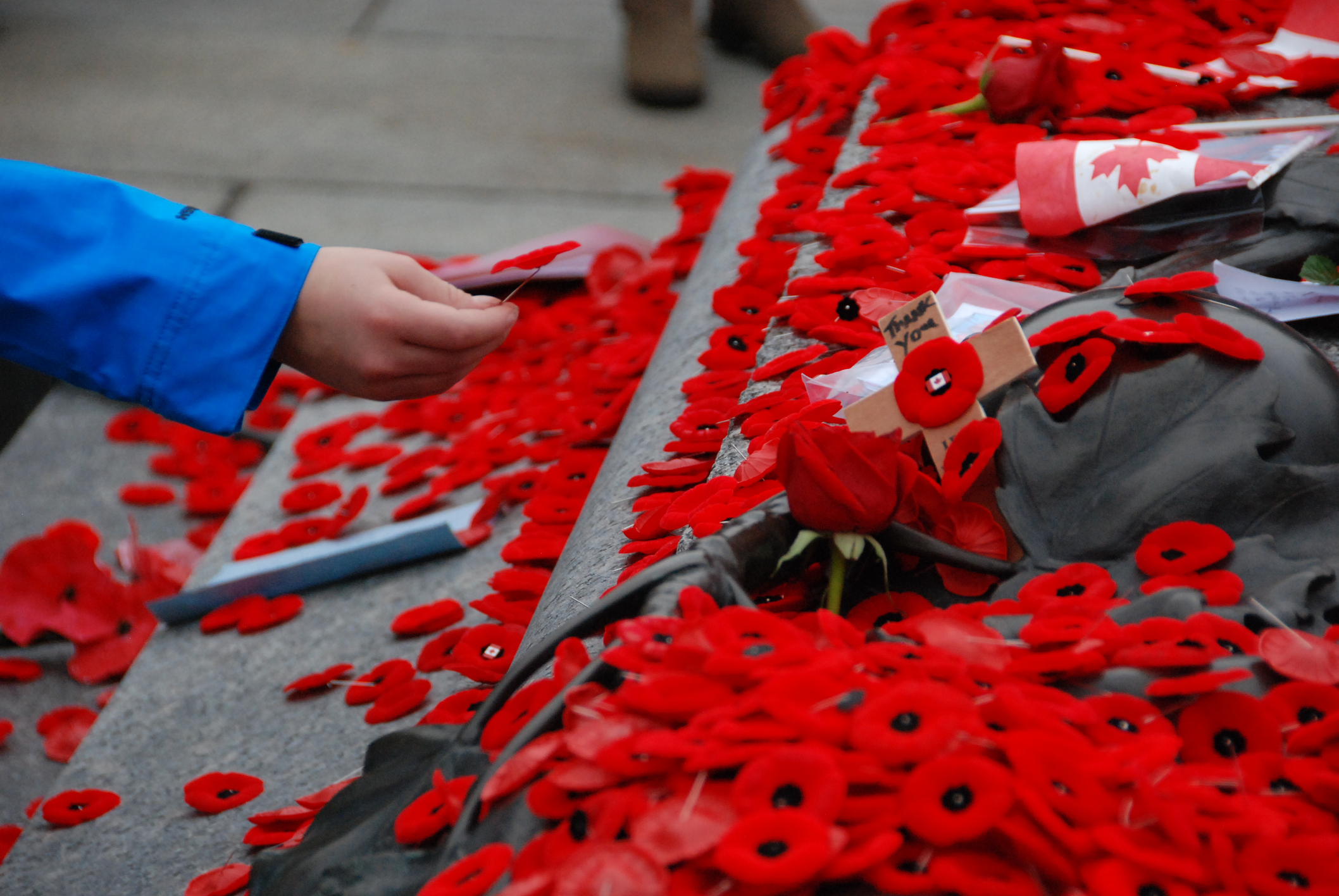
As time passes, our connection to earlier generations of service members inevitably changes. Fewer Canadians have firsthand memories of the First and Second World Wars, and the responsibility for preserving those histories increasingly rests with those who follow. The traditions of Remembrance Day help sustain that connection. The wearing of the poppy, the gathering at cenotaphs and memorials, the reading of names, and the observance of two minutes of silence provide opportunities to reflect on the lives and sacrifices of those who answered a nation’s call.
The acts of remembrance we personally choose may be simple, but their meaning is profound. There is something powerful about the connection between our public acts of remembrance and the deeply personal experience of loss that Families and friends carry. For most of us, the silence lasts two minutes. For loved ones who have lost someone, the silence continues and remembrance is not confined to a single day on the calendar.
Through our acts of remembrance, we honour those who died and acknowledge the lasting loss carried by those who loved them. While our pause is symbolic, it expresses an ongoing commitment to remember their lives, their service and the high price they and their Families have paid. The security, stability and way of life we enjoy in Canada must never be taken for granted, nor should our recognition of those who served end when the two minutes are over.
Today, our message is a simple one: we remember.
We remember their service.
We remember their sacrifice.
We remember those who never came home.
We remember all of them.
Lest we forget.
You may also like...