- 2026-11-05
- Campaign
Veterans’ Week 2026: Remembering together
Canadian service members have a long-standing history of contributing to peace and stability both at home and around the world. Their experiences are shaped by the demands of service: the places they serve, the complex situations they encounter and the people they meet along the way.
Veterans’ Week is a time set aside to remember those who made sacrifices while serving, including those who lost their lives, and those who continue to carry the impacts of their service. We also acknowledge the Families who have shared in those sacrifices — from supporting a loved one through deployments and training, to living with the lasting effects of service long after they return home.
Some experiences are carried quietly, sometimes for a lifetime. Memories can be difficult to speak out loud, and the impacts of service may not always be understood by those who remain — but remembrance doesn’t have to be silent.
Veterans’ Week is a time for Canadians to show their support as a community — to observe, to remember and to acknowledge the experience of those who have served. It is an opportunity to make space for the stories and memories that can easily be left unspoken, and to recognize the lives that have been changed by service.
We may not fully understand what someone has experienced or what they carry with them. But we can listen. We can remember together. We can support serving members, Veterans and their Families.
This Veterans’ Week, we invite all Canadians to pause, reflect and remember together.
On November 8, Indigenous Veterans Day, we honour the service, courage and sacrifices of First Nations, Inuit and Métis Veterans, along with their Families who stand beside them — their contributions have too often been overlooked in Canada’s shared history.
Indigenous people have volunteered to serve throughout Canada’s military history, often guided by strong values of community and service to others. These contributions have taken many forms, from service in international conflicts and military operations at home and abroad, to the ongoing service of Canadian Rangers — many of whom are Indigenous and play an important role in their communities and in supporting Canada’s sovereignty and security.
Despite their ongoing sacrifices, many Indigenous Veterans have faced discrimination and inequity during and after their service. Delayed, denied or limited recognition of their contributions — along with restrictions on cultural practices, ceremonies, uniforms and hair — are part of a history that continues to have an impact. For some, service-related experiences and trauma exist alongside the ongoing impacts of colonial policies and intergenerational trauma.
For many Indigenous Veterans, well-being and healing can also be strengthened through connection to culture, land and community. Traditional and land-based practices, cultural knowledge and relationships with others can foster identity, belonging and a sense of a connection. Peer and community connections can be especially important as many Indigenous Veterans and Families navigate transition, recovery and reconnection after service.
We invite all to deepen their understanding, listen to and learn from the many contributions made by Indigenous Veterans and their Families. Recognizing that every community has distinct experiences and needs is essential to ensuring support reflects their diverse realities. Their service is a vital part of our shared history:
- Indigenous Veterans: Read about the histories of Indigenous service.
- First Nations, Inuit and Métis Veterans and their Families: Learn more about the contributions of First Nations, Inuit and Métis Veterans and Veteran Families.
- From service to ceremony: A First Nation Veteran’s journey: Read about Justin Woodcock’s transition from military to civilian life and his reflections on Indigenous Veterans Day.
- Indigenous Peoples and Canada’s military: Explore the impacts of war and service for Indigenous communities.
- Indigenous Veterans Day marked at ceremonies across the country: Videos of National Indigenous Veterans Day ceremonies and interviews with Indigenous Veterans and Family members.
- Honouring their bravery and dedication: Indigenous veterans have their special day: First Nations Veterans share about their military service.
- Mission accomplished: Marking the resting places of Indigenous Veterans: Blog post about the Last Post Fund’s Indigenous Veterans Initiative, which works to ensure graves of Indigenous Veterans are properly marked.
- 14 facts you may not know about contributions of Indigenous Veterans: Learn more about the significant contributions of Indigenous Veterans during the First and Second World Wars and the Korean War.
Additional learning
Indigenous Canada: University of Alberta course providing context on systemic issues that affect Indigenous experiences in the CAF and post-service.
Ways to observe Veterans’ Week
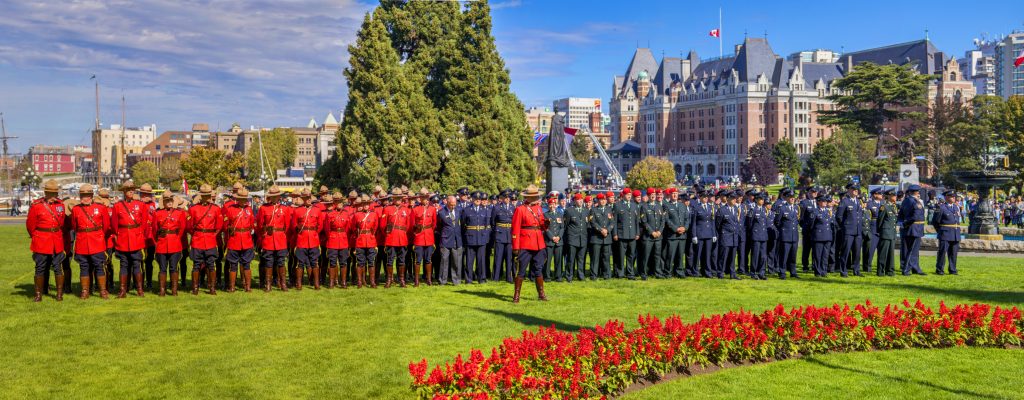
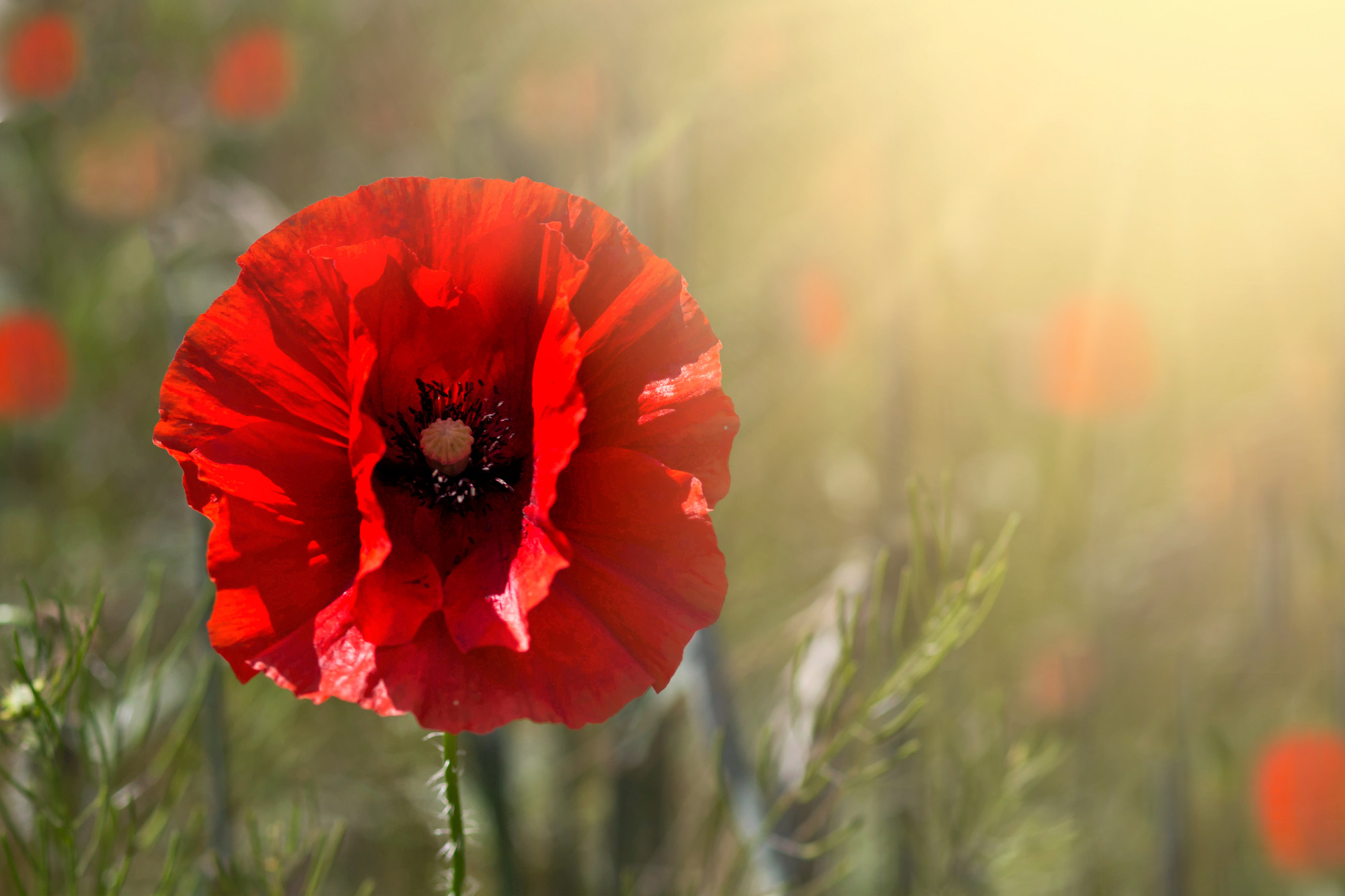
- Attend a Remembrance Day ceremony on November 11: Wear a poppy, attend a ceremony and learn about the stories of Veterans who sacrificed for our freedoms.
- Snapshots of their lives: Watch this Veterans’ Week video to hear stories of a few of the individuals who gave their lives in service to our country.
- Veterans’ Week: Pausing to remember: Listen to the stories of Veterans and their Families, learn from their experiences and reflect on what each Veteran and their Family have given to us, as individuals and as a country.
- Remembrance Day video: Hear what Remembrance Day means to a Canadian Veteran.
- Ways to remember: Explore various ways to remember and pay tribute to those who serve and have served, beyond participating in Remembrance Day ceremonies.
- Canadian military history: Learn about our role in various conflicts and peacekeeping missions throughout history. Browse educational resources, view online exhibits or visit one of Canada’s military museums.
- Canadian Armed Forces in the Middle East: Learn about this year’s Veterans’ Week theme and the role of Canadian service members in the Middle East.
- Indigenous Veterans Day: On November 8, join in honouring and giving thanks for the service and legacy of First Nations, Métis and Inuit Veterans by participating in a local ceremony.
Recent events in Wainwright have had a profound impact on people across Canada, including serving members, Veterans, Families, first responders and the communities around them. They remind us that the effects of service — including injury, trauma and grief — can be felt here at home, on Canadian soil. Resources are available for those who are navigating the impacts of these events or looking for ways to support someone they care about. Visit our directory of services for a list of resources and supports, including links to crisis services, counselling and therapy, educational tools and peer support.
You may also like...