- 2026-06-10
- Blog
Narratives, truth and safety
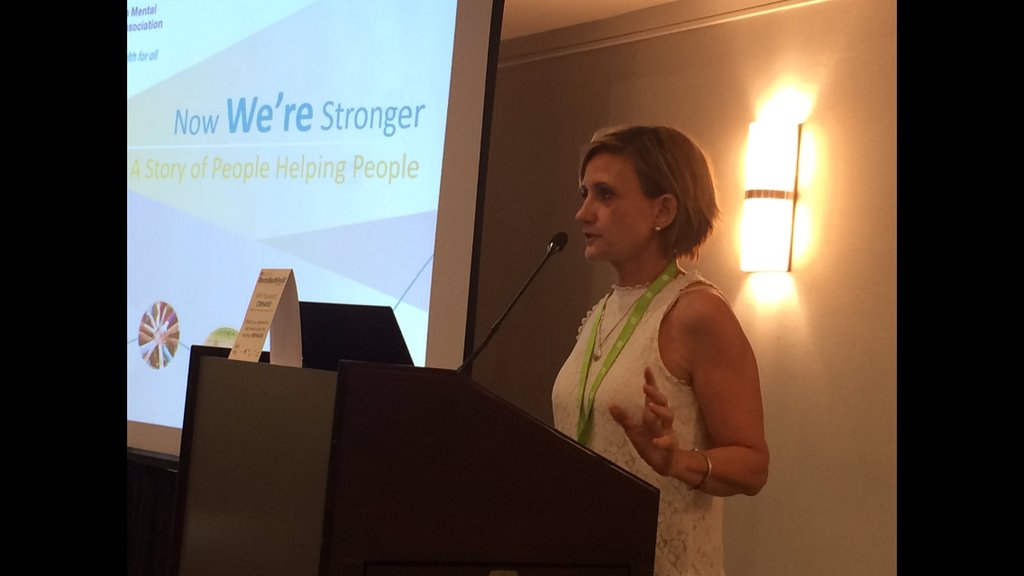
It had been a while since I picked up my master’s research into the process of narrative completion as a potential pathway out of trauma. Admittedly, I have been thinking about it a lot lately as I consider diving deep into it again to look at a doctorate, having spent the past several years supporting people in sharing their stories through my work as Executive Vice-President of Communications and Public Affairs at the Atlas Institute.
Trauma has often been referred to as both the wordless or the voiceless nothing, referring to the survivors’ inability to find the capacity to share what they have experienced. This unfortunately keeps them locked in their suffering, often experiencing significant mental health and corresponding substance use challenges as a result. When they can find their voice, to begin to share, this can represent the beginning of a “healing” pathway. It is the fifth and final stage of narrative completion, that of posttraumatic growth, the compelling to take one’s story and use it to make a difference in the world around them. Possibly inspiring others.
What has emerged repeatedly to me as a question is “what are the conditions of safety required for one to find their voice and share their own trauma — and recovery — narrative?”
“If we invite stories, we also have an inherent duty to protect the people behind them, to set clear expectations for respectful engagement and to ensure the space around those stories is as safe as the stories are brave.”
— Joy Pavelich
In creating the strategic plan for Atlas, we knew it was critical that our work was built on relationships of trust with Veterans and Families. That the research conducted, the resources developed and directions we chose to go in were guided and informed by those with the expertise that could only come from direct lived experience. Part of that was built through establishing platforms for the members of community to share their stories — authentically, in their own words, without fear of judgment in the hopes that a better understanding could be bridged between those who have served and Canadians in general.
We created a blog where we encouraged submissions from the community. We launched a podcast led by our National Strategic Advisors for Veterans and Veteran Families, both of whom brought their own lived experiences to lead the conversations important to their peers across the country. And then finally we have run special workshops annually in the process of digital storytelling where we bring together Veterans and Family members, retreat-style, to build short videos that give each of them a space to share their experiences in their own words. Combined, these different platforms have given our community an opportunity to find their authentic voices, share these experiences with others to build greater understanding and in that, validate what they have gone through.
In her book Trauma and Recovery, Judith Herman spoke about the communalization of trauma and the entwinement of three components: empowering the survivors to tell their story, the ability of the audience to believe, remember and retell that story, and finally, for the survivor to know their story had been heard. That someone cared. Each of the steps, according to Herman, required safety.
I raise her work because it speaks directly to the platforms Atlas has created and the responsibility that comes with them. When someone shares their lived experience, they are offering more than content. They are offering trust. That trust carries real vulnerability, especially in a digital environment where control is easily lost and the ripple effects can be unpredictable. If we invite stories, we also have an inherent duty to protect the people behind them, to set clear expectations for respectful engagement and to ensure the space around those stories is as safe as the stories are brave.
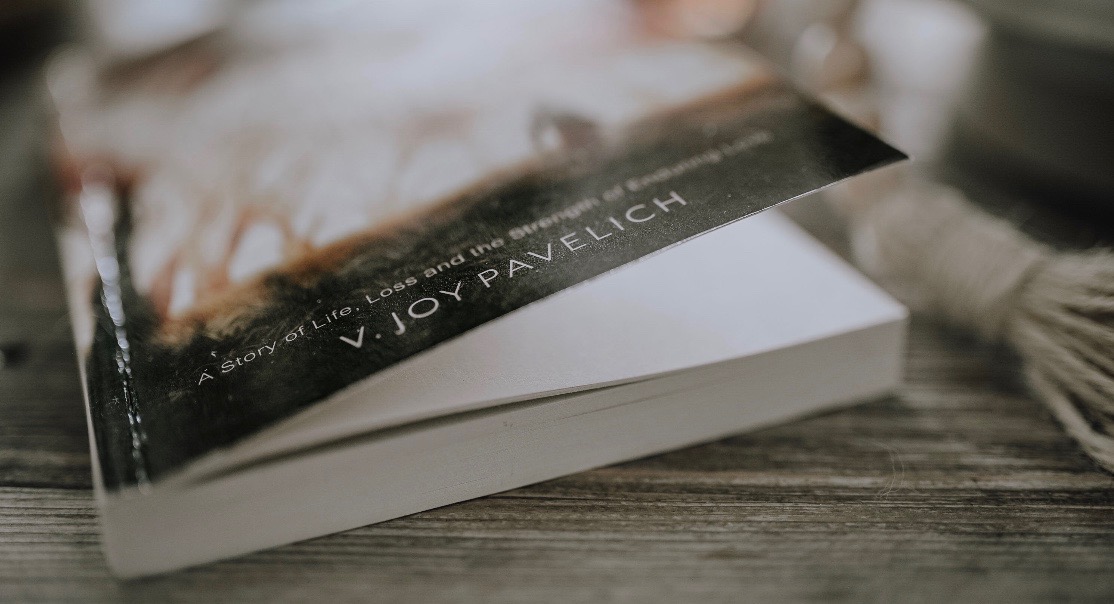
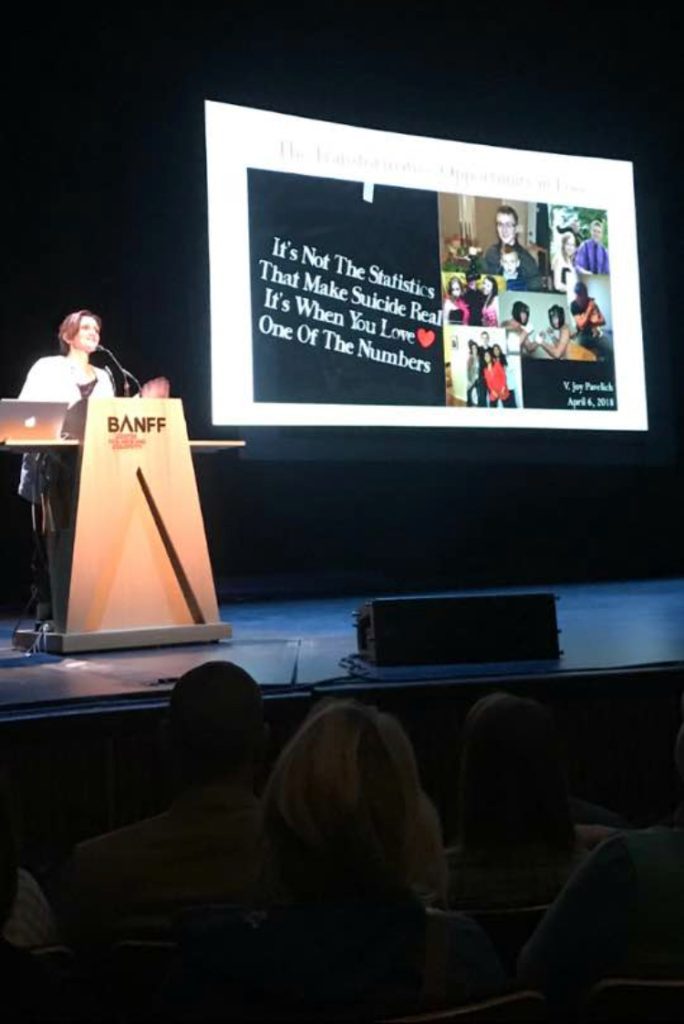
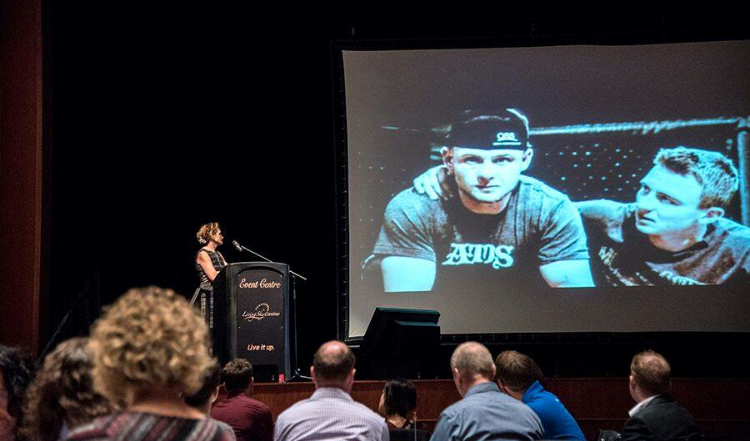
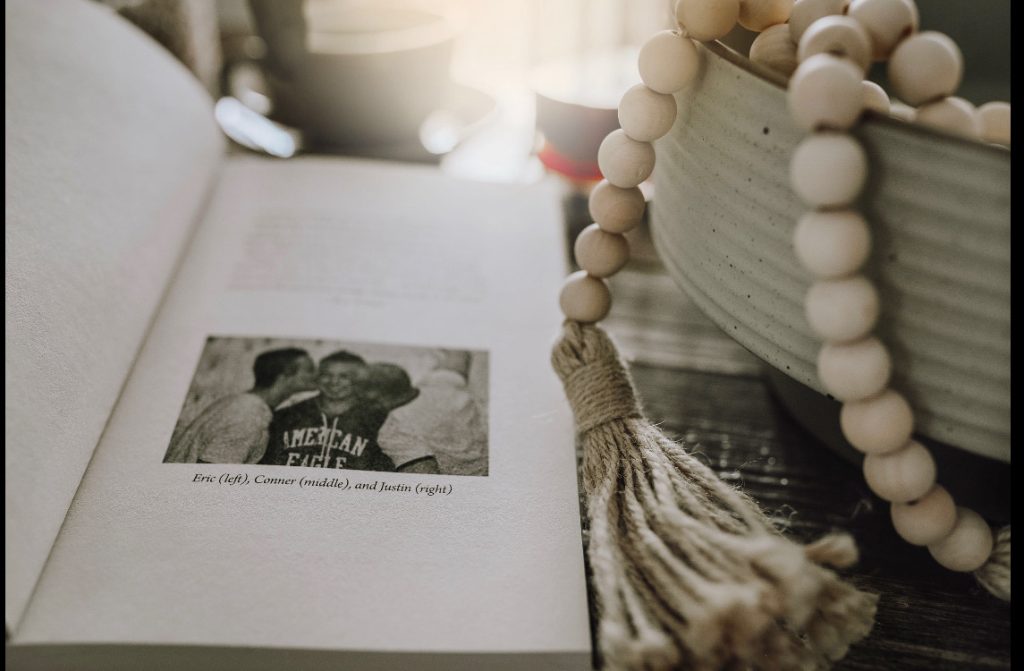
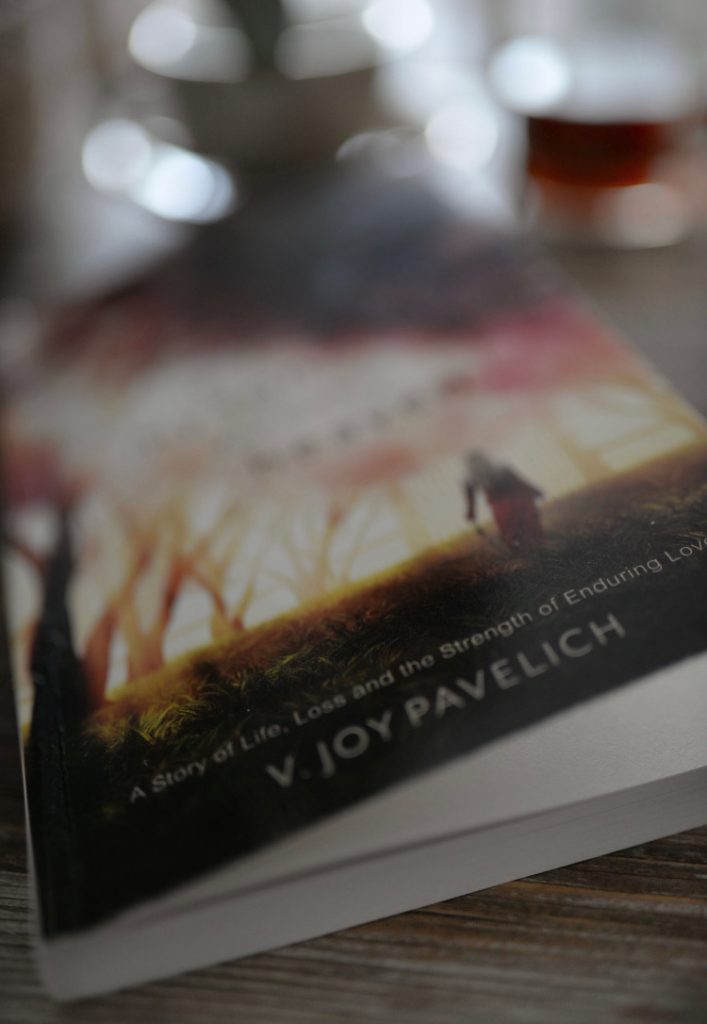
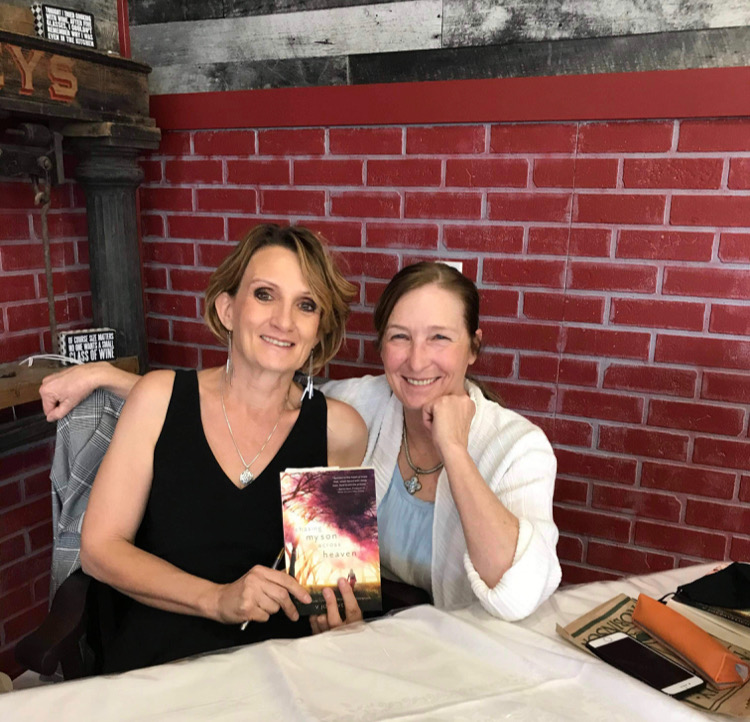
My research was very personal. Later, I wrote a book called Chasing My Son Across Heaven. I am by nature a very private person and so sharing our Family’s story and my son’s mental health struggles was contrary to my own nature. However, like the people I had studied in my research, I did feel compelled to share this story in the hope it might help others who would find themselves in a similar situation.
The book is deeply spiritual and I was prepared for some feedback about that. What I wasn’t prepared for was questioning about my motivation. Trolls accusing me of using the death of my son for financial gain. Logically, I could rationalize the absurdity of these kinds of accusations. Certainly, as a published book the layers which exist in the physical distribution and players between myself as the author before it will ever get into the hands of the reader is the most obvious one — beyond that however, I don’t know of anyone who writes to get rich. Anyone who has experienced loss at this level would recognize what a foreign concept this would be in choosing to share.
Still, logic did nothing to mitigate the devastating emotional impact. I locked down my social media accounts, going so far as to delete some. I went quiet. Not for days, or even weeks, but for years. Those few comments fed into pre-existing vulnerabilities such as feelings of shame, guilt and unworthiness, and completely rocked my confidence. Even though an overwhelming majority of the messages I had received had been supportive and often from someone who was reaching out in gratitude for the message of hope they had found in reading the book, the emotional toll was significant.
I raise this not to make this about me, but to share that I personally can attest to the impact of harsh judgments and unfounded criticism as one shares a deeply personal story. And it is why we take the protection of our storytellers so seriously.
With that in mind, I close with this thought as both an Atlas team member and as someone who sees what it takes to tell a story: We welcome respectful dialogue and we also ask that the same respect be extended to our community and to the people who have shared their stories with us. Sharing a personal experience publicly is not easy and it is often an act of trust. These stories help deepen understanding of what Veterans and Families live with, and they give all of us a stronger foundation to support meaningful change for the community as a whole.
— Joy Pavelich




Are you a Veteran or Family member with a story to tell? Get in touch with us and you may be featured on this blog!