
- 2026-10-14
- Blog
What grows after trauma: Witnessing posttraumatic growth in Canada and Ukraine

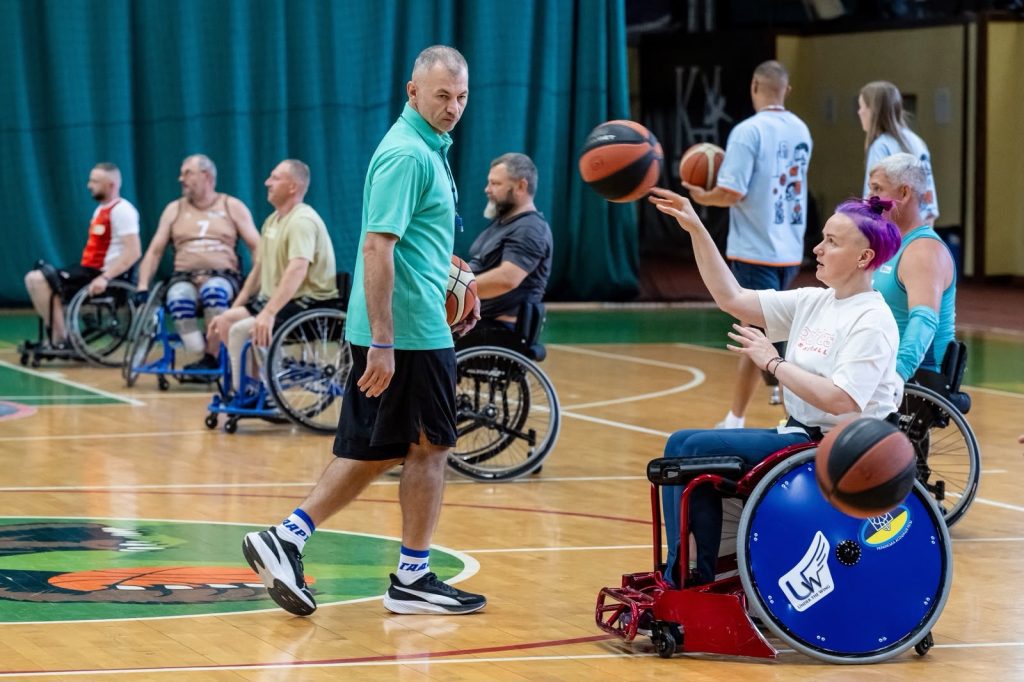
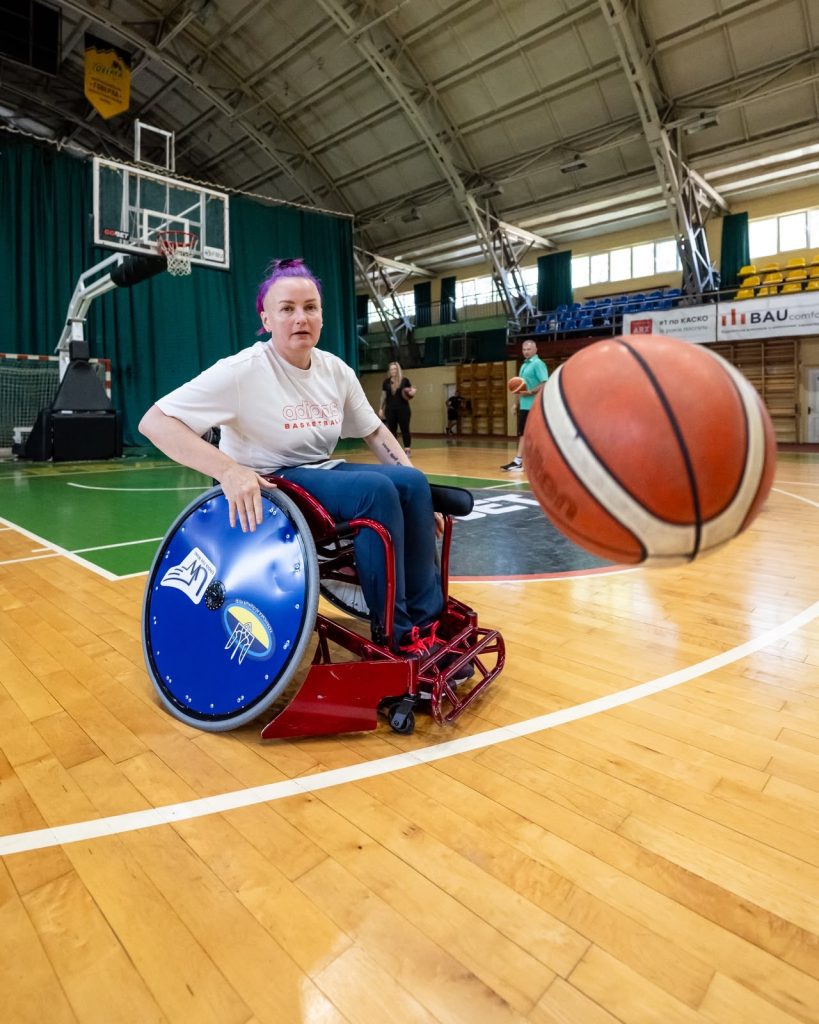
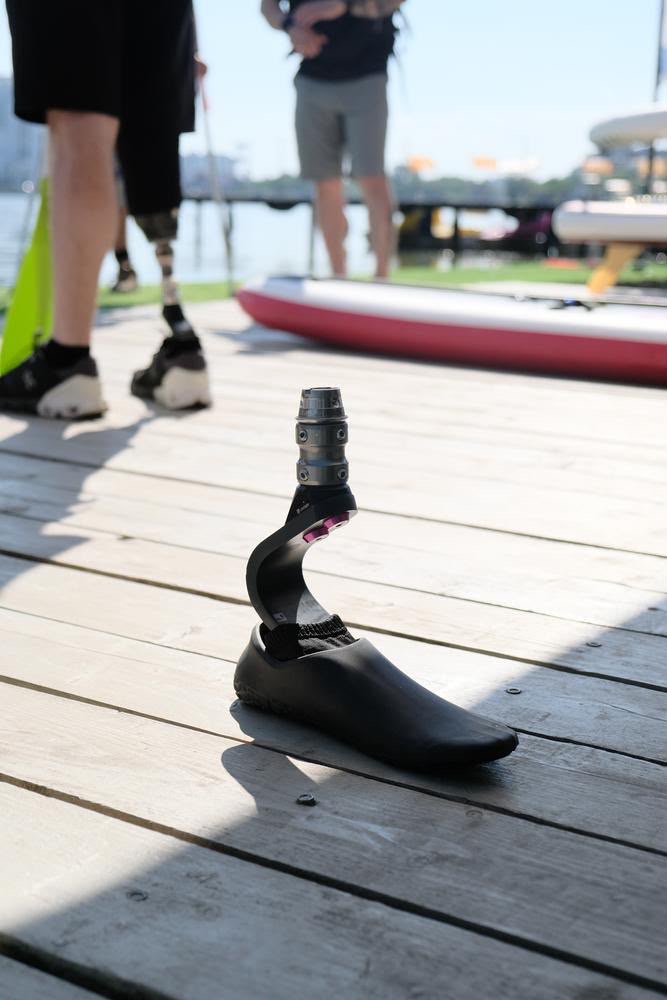
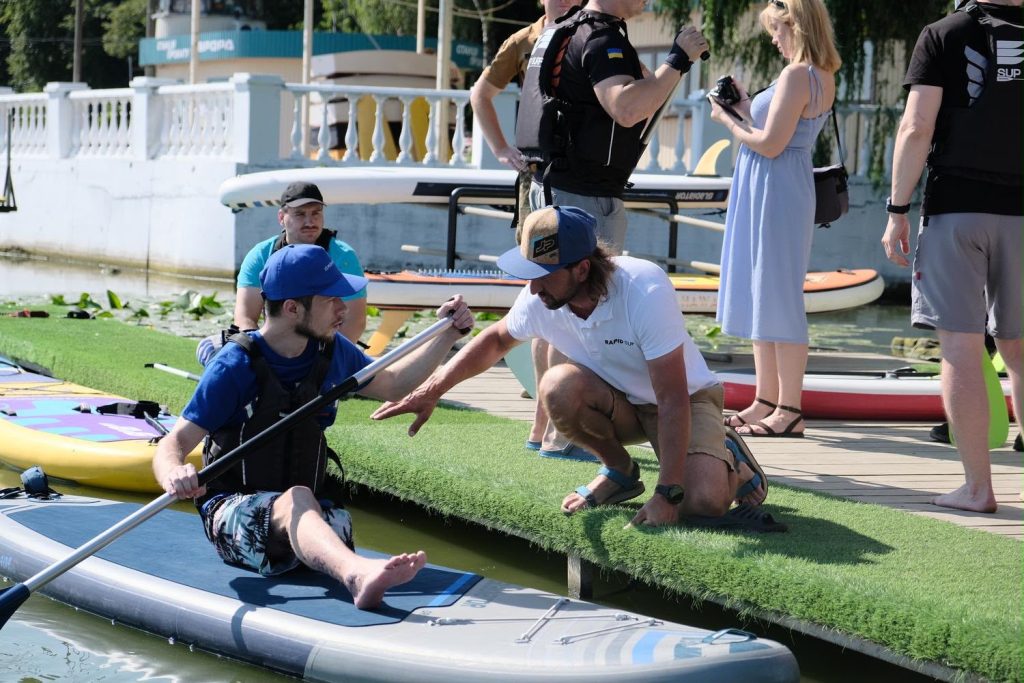
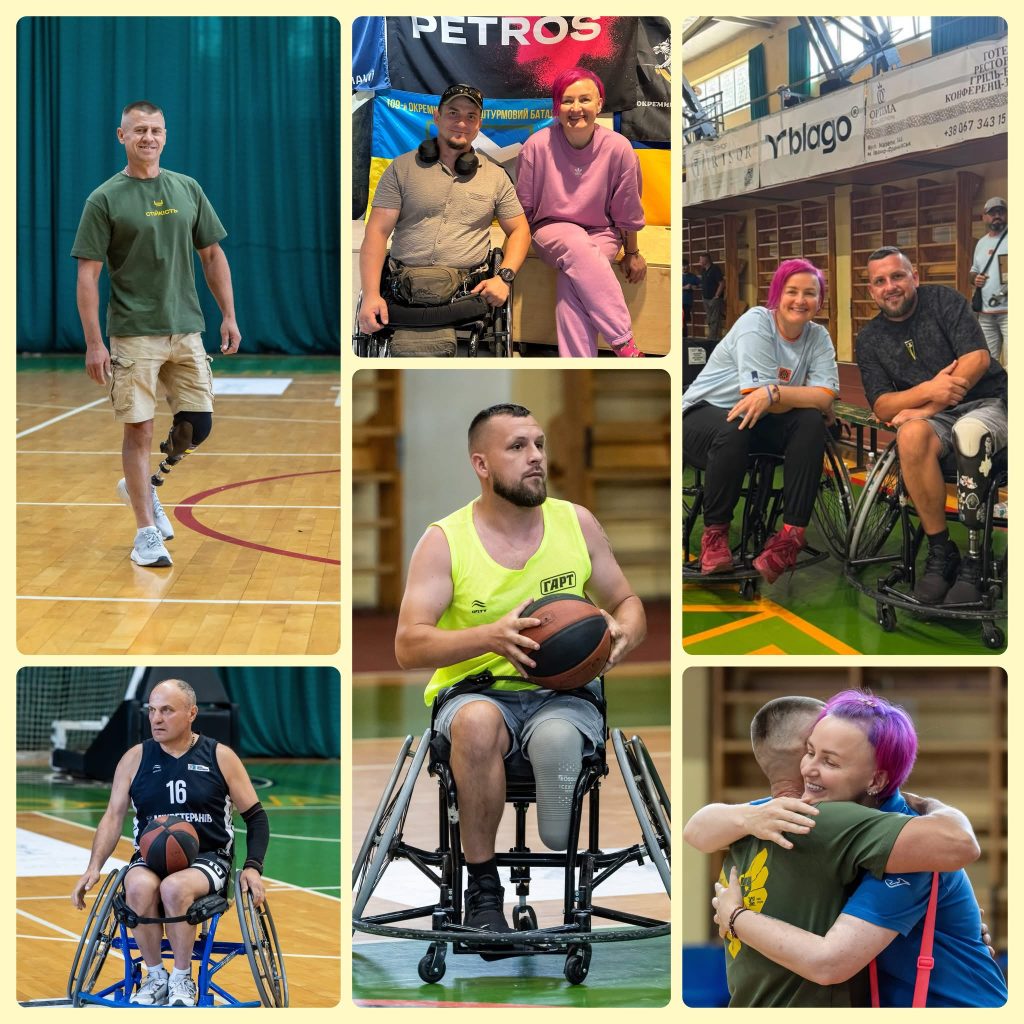
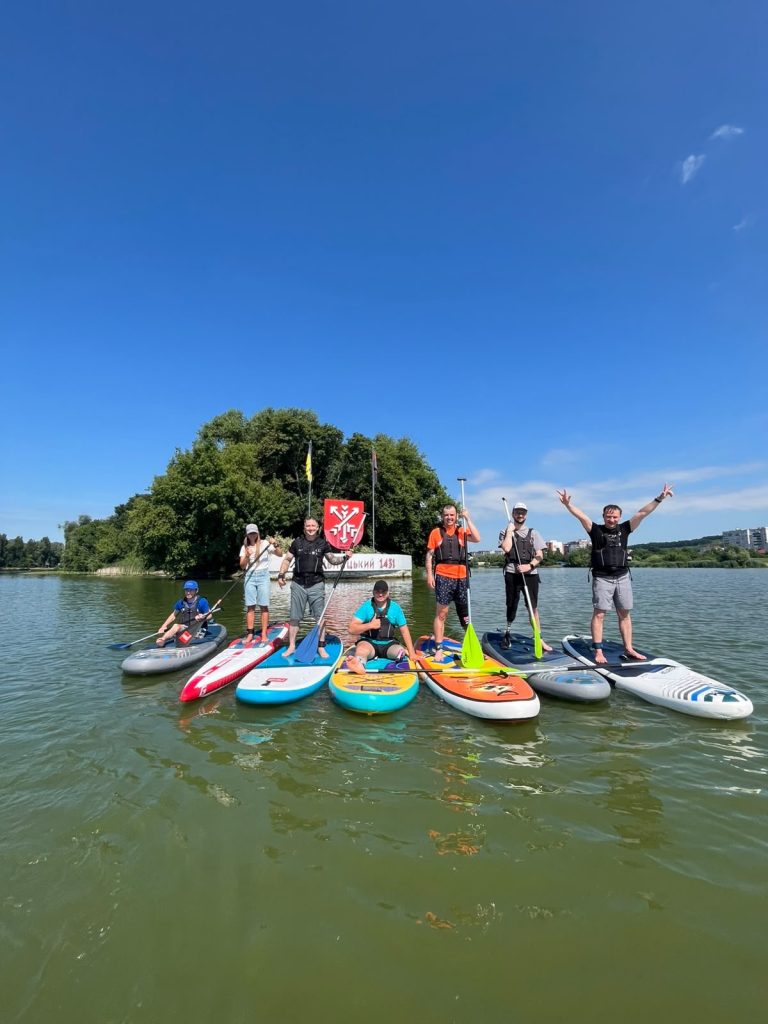
In my travels in Ukraine, including most recently, I have seen a familiar sight. I have sat with Ukrainian soldiers and Veterans carrying visible and invisible losses: injury, grief, separation, uncertainty, and changed identity. Through these challenges, I have watched them reshape their lives and spirits through adaptive sports and outdoor activities, where comrades join together and encourage one another to face new challenges and discover strengths they perhaps did not realize they possessed. I have watched Ukrainian Veterans engage in mountaineering and wheelchair sports, fishing and paddleboarding.
But I have also seen former prisoners of war struggle to speak openly with Family members and mental health professionals about their captivity and torture, and struggle to trust again. Consistently, I have come to recognize something in these Veterans that I have witnessed over many years among Canadian Veterans as well.
I believe it is important from the outset to establish the distinction between trauma and growth. Experiencing trauma does not mean automatic growth. Nor does it mean that trauma is “good for someone,” that suffering should be romanticized, or that everyone emerges stronger. From personal experience, I know these generalizations are patently untrue. Some wounds remain lifelong, and growth and distress can coexist within us.
Having witnessed profound human suffering over decades, I have borne witness to extensive trauma and experienced significant moral injury in my own life. The question for those of us who, through service, have been exposed to trauma and human suffering is this: why, amid profound loss, do some people begin to construct something new?
In my own life, I have worked within military, policing, Veteran, and humanitarian communities. I have witnessed firsthand the effects of trauma, suffering, and the long aftermath of bearing witness. I remember Veterans like me from Afghanistan who, after service, experienced marriage breakdown and significant alcohol abuse, but who were able to become sober through rehabilitation and rebuild healthy, sometimes stronger, relationships with their children. I have seen Ukrainian Veterans and amputees struggle to relearn how to use their bodies and, despite setbacks, discover renewed strength of body and spirit they did not know they possessed.
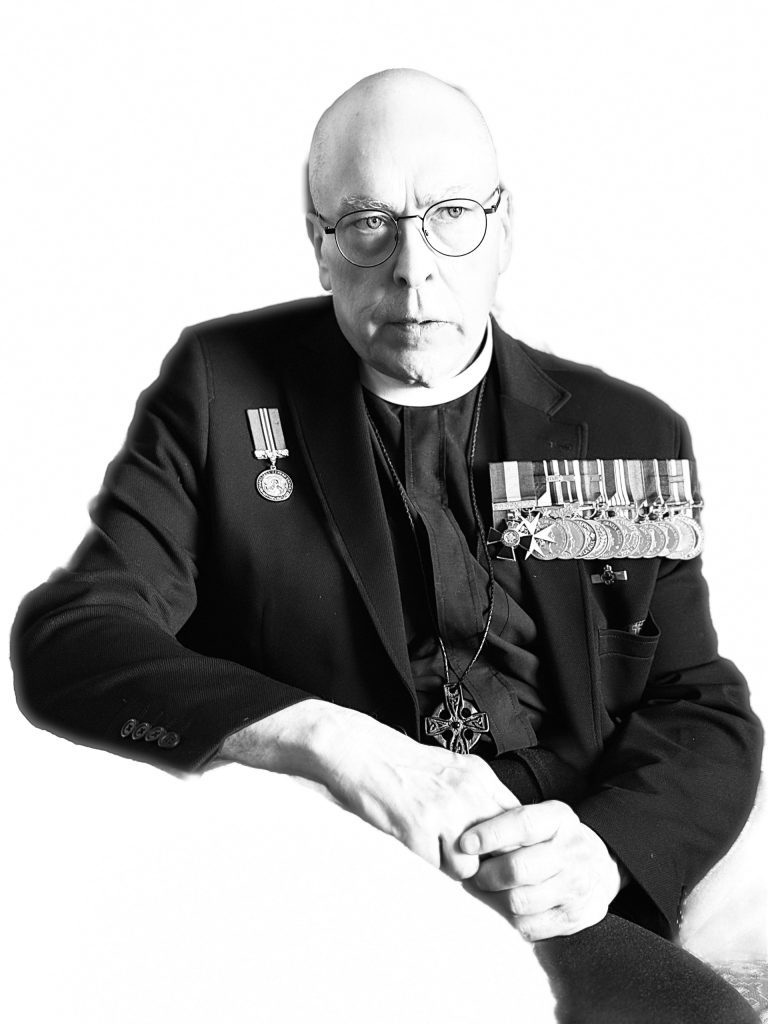
In my own experience, I found vocation and calling in ministry: to bear witness to suffering and stand alongside those who should not be isolated in their grief and sorrow.
As I have witnessed and studied posttraumatic growth (PTG), I have come to better understand how growth can emerge from pain. I have seen the Veteran whose priorities changed: someone who found meaning through service to others, someone whose relationships deepened, someone who discovered a different understanding of strength. Through the framework of posttraumatic growth, I began to recognize in real time what I had been observing in the lives of Veterans and others for years.
PTG, developed through the work of psychologists Richard Tedeschi and Lawrence Calhoun, is commonly understood through five domains: greater appreciation of life, deeper relationships with others, recognition of new possibilities, an increased sense of personal strength, and spiritual or existential change.
I have observed all of these repeatedly in Veterans. But they rarely occur neatly, simultaneously, or without continuing pain.
In more recent years, my work in Ukraine, particularly with Veterans and their Families, has changed the lens for me and revealed another important dimension of PTG. I have worked with Veterans’ organizations and recently lectured at UNBROKEN in Lviv, Ukraine. Working with Veterans, their Families, and health professionals allowed me to observe the same patterns of growth in these five areas, but crucially it also revealed the challenges Ukrainian Veterans face while attempting to grow while the traumatic environment continues.
The war has not become a safely bounded event in the past. Friends remain at the front. People remain missing. Families continue to receive terrible news. Air alerts continue.
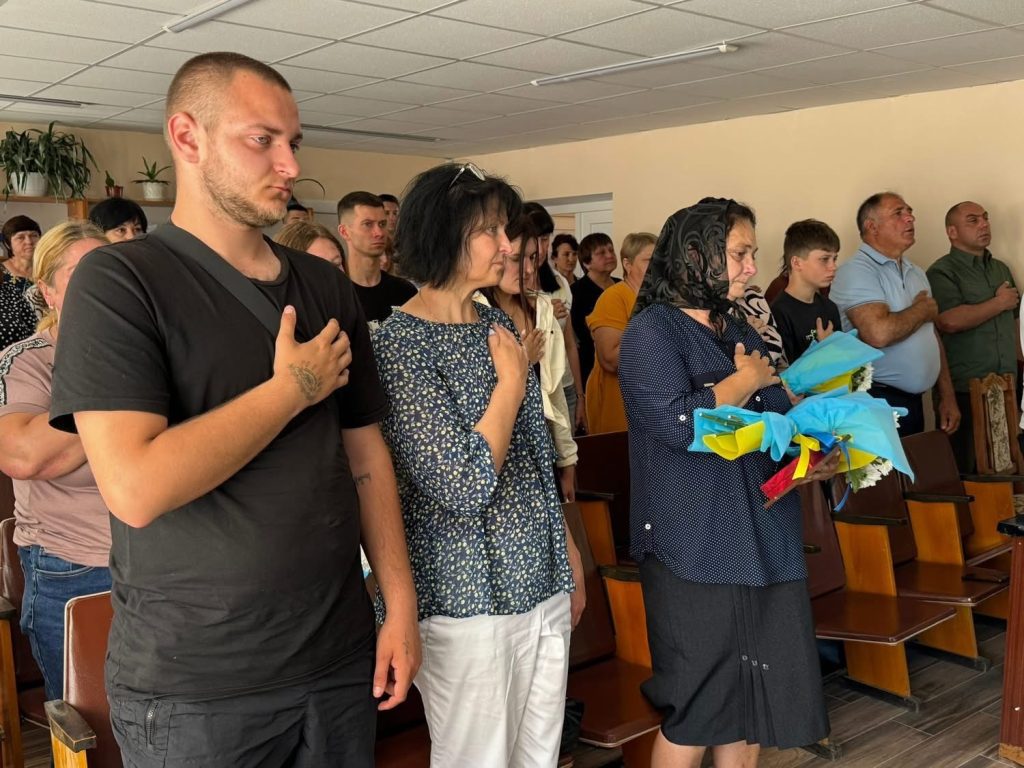
Despite these painful daily realities, I have also witnessed Veterans supporting other Veterans, Families creating communities around loss, wounded people discovering new purpose, and people insisting upon meaningful lives despite what has happened to them.
Through these experiences, I have come to focus particularly on the factors that seem to foster PTG and the areas where I have observed growth among Veterans in Canada and Ukraine. I have seen growth associated with meaning-making, supportive relationships and community, the ability to tell and reconstruct one’s story, purposeful activity and service, recognition of personal agency, openness to changed priorities and possibilities, and spiritual or existential resources.
There are other factors critically important to growth: time and psychological safety. Yet here I have encountered a paradox in the Ukrainian experience. People may have to begin rebuilding meaning before physical safety has fully returned.
My experience over multiple years in Ukraine has reinforced a lesson I first learned through my experiences in Canada: PTG is not a competition in resilience, and it is not a demand we can place upon someone who has suffered. We cannot tell a traumatized Veteran, “You should grow from this.”
What we can do is help create the conditions in which growth becomes possible: listen, remain present, provide community, allow grief, restore agency, and help people discover meaning and purpose for themselves.
I find that I have been called to bear witness differently in my life. After years of encountering trauma, I have learned not to look at a wounded person and ask only, “What happened to you?”
I have also learned to wonder, without imposing an answer, “What may yet become possible?”
Ukraine has reinforced that conviction — not because suffering is redemptive in itself, but because human beings sometimes create meaning, relationships, and purpose in places where none should reasonably be expected.
— Reverend Paul Richards
Are you a Veteran or Family member with a story to tell? Get in touch with us and you may be featured on this blog!
You may also like...


