- 2026-11-11
- Blog
Reflections on service, loss and remembrance from a Veteran
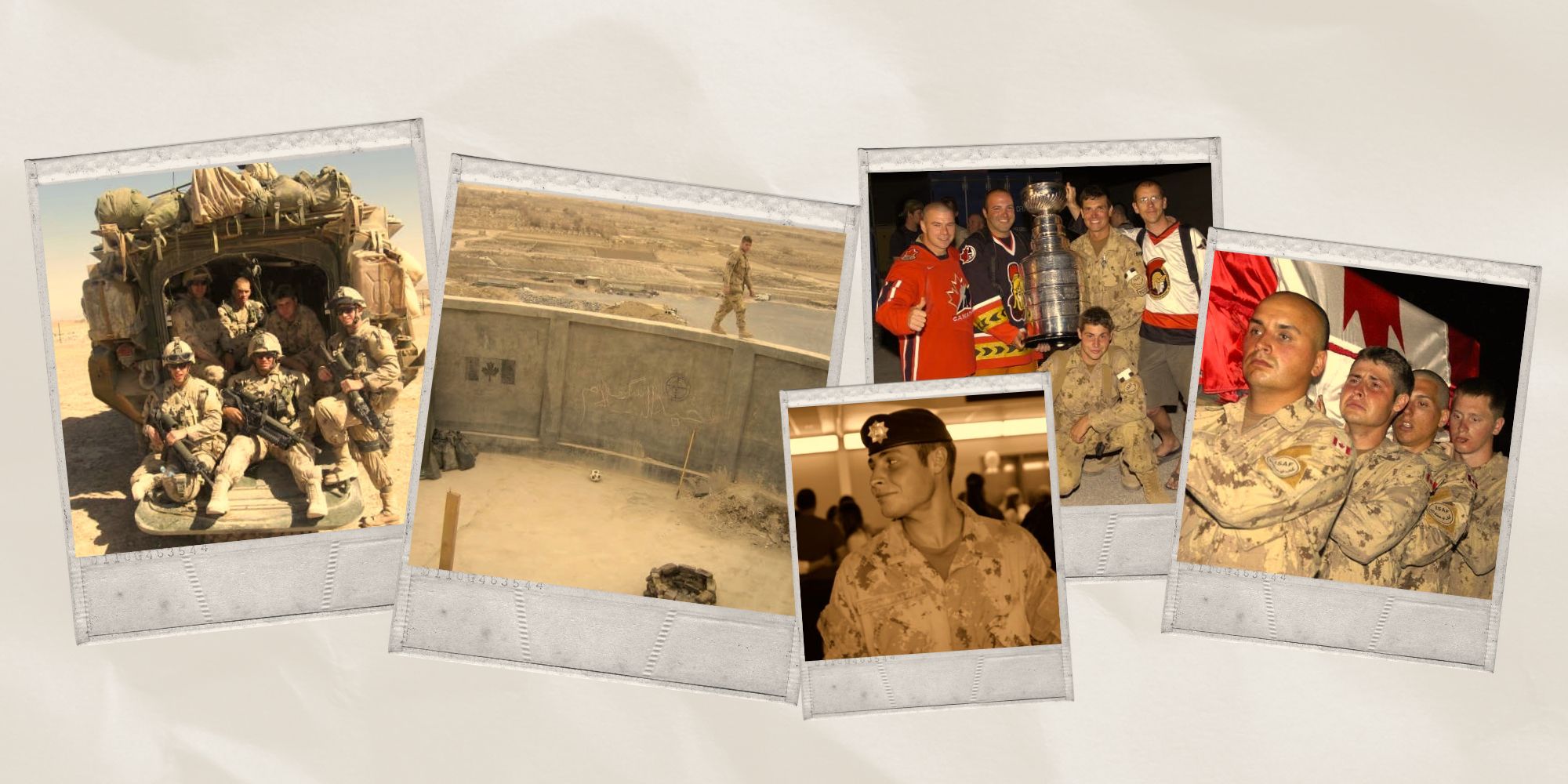
As Remembrance Day began approaching and I prepared to wear my poppy once again, I found myself deep in thought about the comrades and friends that I have lost over the years. Today I will join my community at our local cenotaph, for the annual ceremony, and we will honour those we have lost on the battlefield, together. From the Boer War, to Afghanistan, we will have a moment of silence to honour those brave soldiers lost to battle. But every year I find myself asking the same question: “What about the soldiers and Veterans that took their own lives due to wounds from the same war?”
This poses another question: “Once a soldier goes to war, does the fighting ever really stop?” Typically the threat of gunfire, unmarked minefields, ambushes, rocket attacks, improvised explosive devices and suicide bombers subside upon returning home, at least on the outside. Unfortunately, for many of us, the battle continues. The only difference is that we become our own enemy.
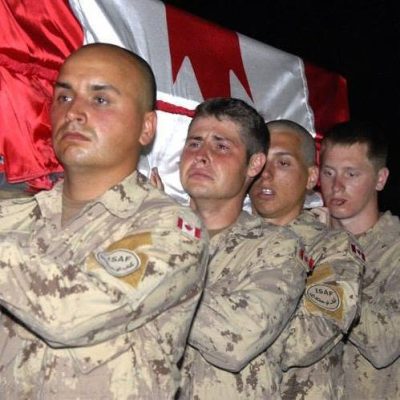
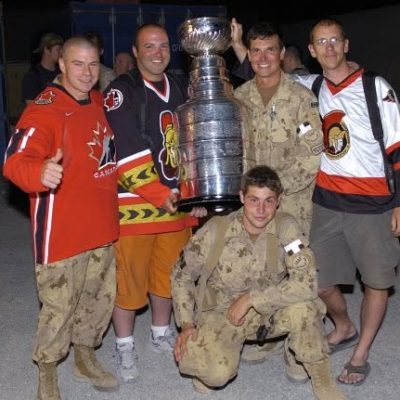
I lost 10 friends during the war in Afghanistan.
I have lost count of the number of friends I have lost to their own hand in the years since.
To be honest, I am not sure that I could even track down the accurate number of friends that I have lost to suicide because it is always so difficult to find out any information. These deaths are usually surrounded by secrecy and a layer of shame that makes it hard for friends and Family to talk about.
When we lose a soldier to a battle, or a training exercise, we say those soldiers’ names, publicly, loudly and with pride. We ensure that the world knows of their sacrifice and their Families are able to bury them with pride. This is not the case with suicide.
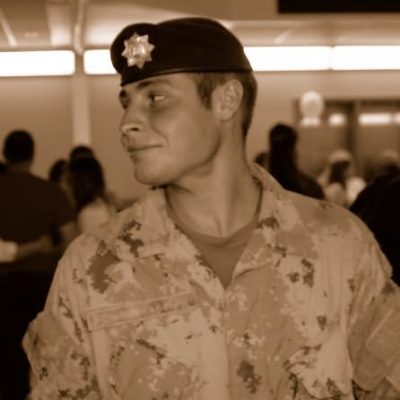
Typically, when a soldier dies by suicide, the first sign is my military friends on social media post rest in peace messages, often with a picture of a unit cap badge covered by a black bar, usually without a name. Then come the uncomfortable questions, reaching out to the individual to find out if this was one of my peers. I have had these conversations more than a dozen times over the years and they never get easier.
These soldiers were wounded in the same war, and in many cases the same battles, as the 158 soldiers who died in Afghanistan. Yet we do not honour them the same. Families do not get to hear their loved ones’ names spoken with honour and pride, and so instead the death comes with a cloud of shame. So no one talks about it. Soldiers and Veterans are taking their lives at an alarming rate and we are still not talking about it.
But we need to talk about it. For the sake of those left behind, we need to talk about it and normalize the conversation. We cannot let the memory of these warriors fade quietly into the dark.
I wrote a song about it. As a way for me to not only process but also to honour the friends that I have lost and continue to lose today. And the most beautiful thing happened: people have started opening up and talking to me about the loved ones that they too have lost to suicide. Not quietly or shamefully, but with pride, openly and publicly, in ways they had never felt comfortable to do before.
The song is called Lanterns. It highlights the fact that we do not honour the soldiers that we lose, to suicide, after returning home from war. And from that song I created a pin. It is a pin of a lantern that I wear alongside my poppy to honour those soldiers that we have lost and that continue to lose today to the invisible wounds of war.
— Dennis
Corporal (Ret’d) Dennis Mackenzie
If you or someone you know is thinking about suicide or experiencing a crisis, please know that help is available. Call or text 9-8-8 to connect with Canada’s suicide crisis helpline. Support is available 24 hours a day, seven days a week.
Are you a Veteran or Family member with a story to tell? Get in touch with us and you may be featured on this blog!